Schartenkogel-Express: Austria’s first “Ropera” is taking shape on the Glungezer

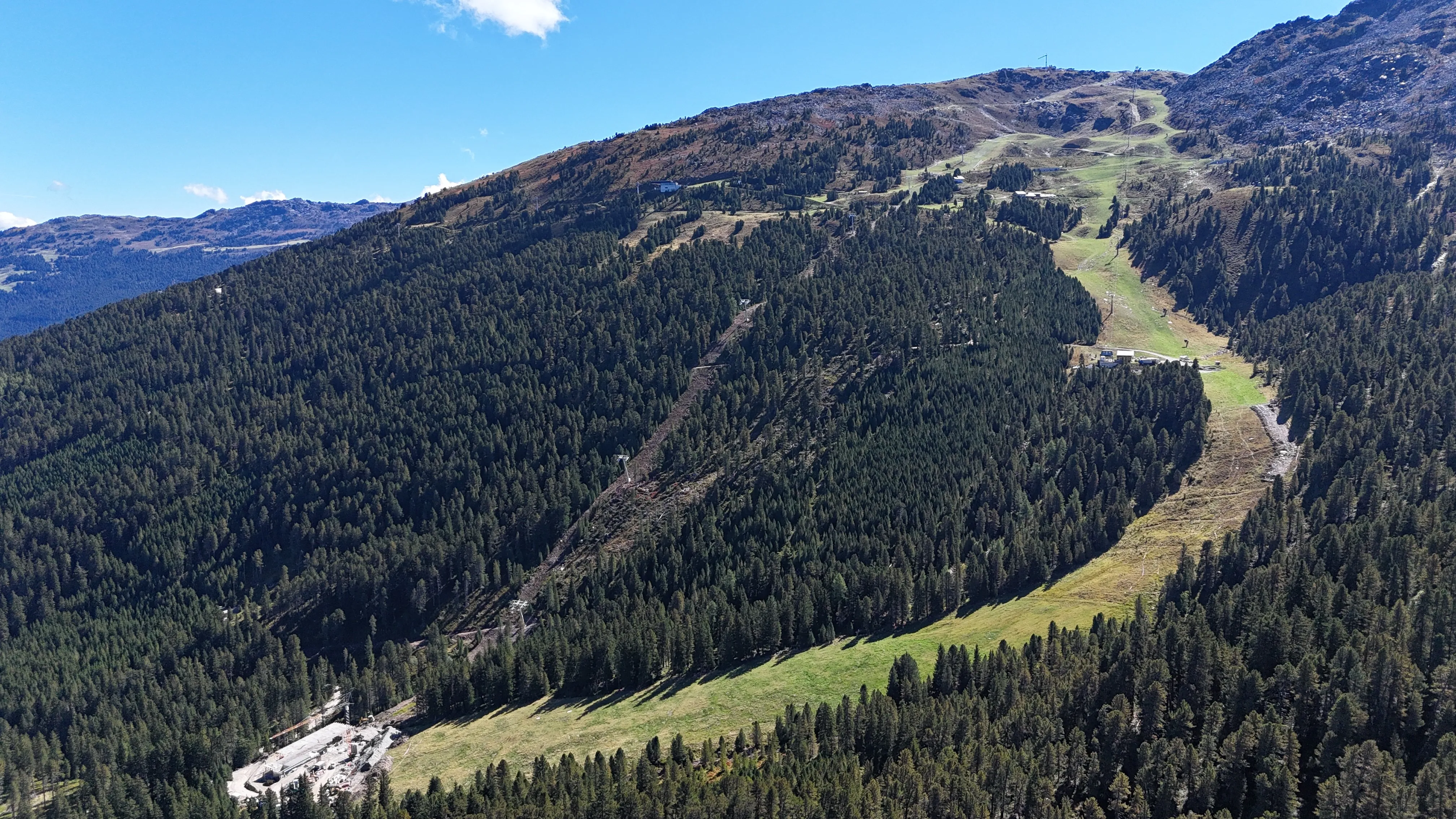
In the Glungezer ski area near Tulfes in Tyrol, Glungezerbahn is replacing the Kalte Kuchl surface lift, taken out of service in 2018, and the ageing Schartenkogel double chairlift with a new detachable 6-seater chairlift with weather protection bubbles and heated seats. It is the first installation in Austria of the “Ropera” ropeway generation from Leitner, presented at Interalpin 2025. Salzmann Ingenieure is supporting the new chairlift as ropeway designer – from design through to construction supervision.
Until now: a surface lift plus a fixed-grip double chairlift from 1989
When the Kalte Kuchl surface lift was taken out of service, the associated piste could no longer be used either. It is now being brought back into use.
The Schartenkogel double chairlift was built in 1989 and is one of the last installations from the now defunct Wopfner company. For the general overhaul due in 2031, the installation would have to be comprehensively refurbished at considerable expense. On top of that, the availability of spare parts would be critical. Continuing to operate the installation therefore made no sense.
The new lift delivers more than just a replacement. It makes optimum use of the existing piste areas and ensures safe, highly comfortable operation of the Kalte Kuchl/Schartenkogel sector for Glungezerbahn’s guests.
The new 6-seater chairlift at a glance
- System type: detachable 6-seater chairlift (Leitner “Ropera”)
- Capacity: 1,500 p/h, 2,000 p/h in the final build-out
- Line speed: 6 m/s
- Bottom station: bottom station of the Kalte Kuchl surface lift, 1,760 m
- Top station: Schartenkogel summit plateau, 2,309.5 m
- Vertical rise: 549.5 m
- Slope length: 1,766 m
- Towers: 12
- Carriers: 46, 61 in the final build-out
- Replaces: the Schartenkogel double chairlift
- Commissioning: winter 2026/27
Safety and comfort – above all for families and ski classes
The Glungezer ski area is popular with families, schools and local people around Innsbruck and Hall-Wattens – and the installation is designed for them.
The detachable chairlift slows the chairs down inside the stations. That makes boarding and unloading considerably easier and safer. The chairs have weather protection bubbles, comfort padding and heated seats, which greatly increases comfort.
Up to a line speed of 4 m/s the bubbles close automatically, which improves stability in wind.
Technically, the drive sits in the top station as a bridge drive, while the hydraulic rope tensioning and a fully automatic parking garage are located in the bottom station.
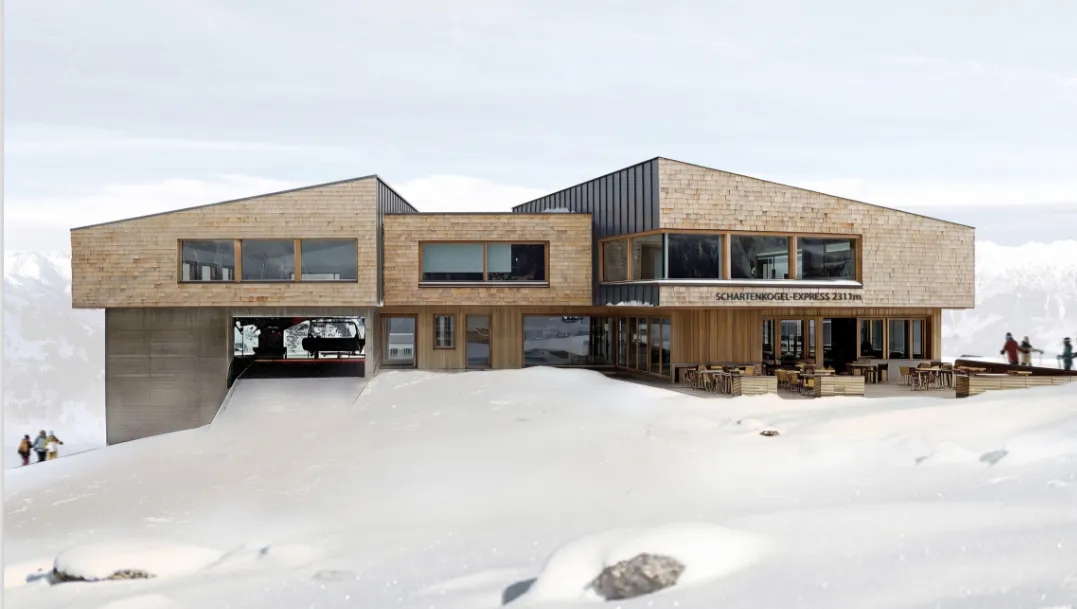
The top station will have a restaurant and a view of the ropeway machinery
The top station, with architecture by SNOW, is being built around 135 m north of the previous top station of the double chairlift, on the summit plateau of the Schartenkogel. The ground and upper floors will provide space for a future restaurant with a terrace and a 360° view from Innsbruck across the Tyrolean Unterland to the peaks of the main Zillertal Alpine ridge. One special detail: from the dining room on the upper floor, guests look through a glass pane straight onto the station truss – ropeway engineering to experience at first hand.
The position of the top station was determined by fixed constraints along the line and by the premise of interfering with nature as little as possible. The alignment has been chosen so that the existing route of the old surface lift is used as fully as possible and the edge of the forest on the left-hand side going uphill can be preserved. In this way, ropeway design combines modern technology with the greatest possible regard for the landscape and the forest.
A tight schedule for ropeway construction
Construction work has been in full swing since 3 July 2026. The line is up and the rope is in place. All the companies involved, and the client itself, are now working flat out to complete the bottom and top stations so that the installation can be commissioned on schedule before Christmas.
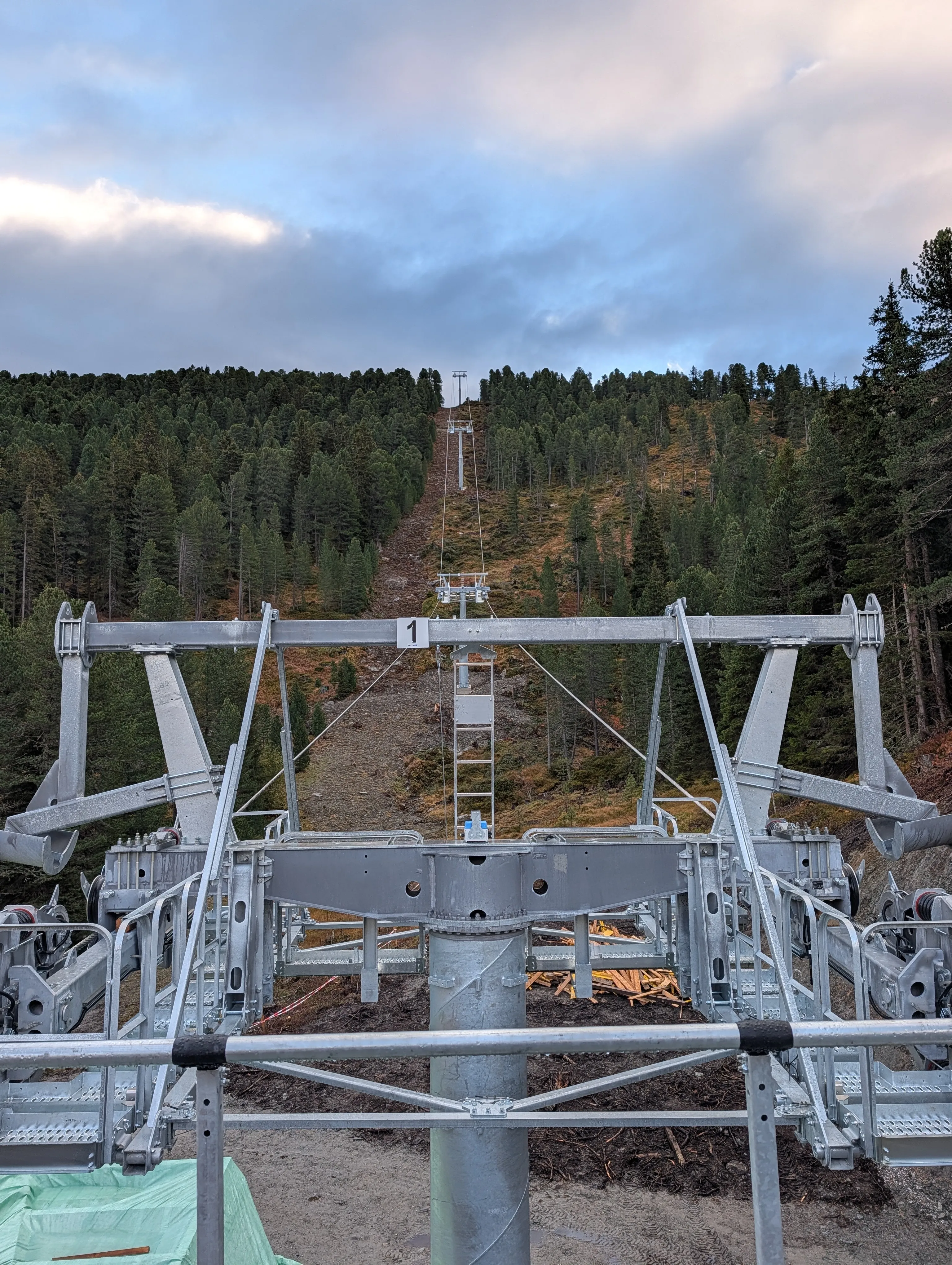
This project reflects the many facets of ropeway design: technical innovation, interdisciplinary design and close coordination with the client, the manufacturer and the authorities.
Projects like this one show what ropeway design for ski areas is all about: bringing together capacity, comfort and economy – from the feasibility study through permit submission and the construction hearing to construction supervision on site.
We are looking forward to riding Austria’s first “Ropera” up the Schartenkogel this winter!
Our reference projects give an overview of completed ropeway projects.
Project management and text: Loris Rau
The excavators move in: a new 4-seater chairlift for the Wurbauerkogel
The excavators move in: a new 4-seater chairlift for the Wurbauerkogel
Permit submission documents finished – and done together!
Permit submission documents finished – and done together!
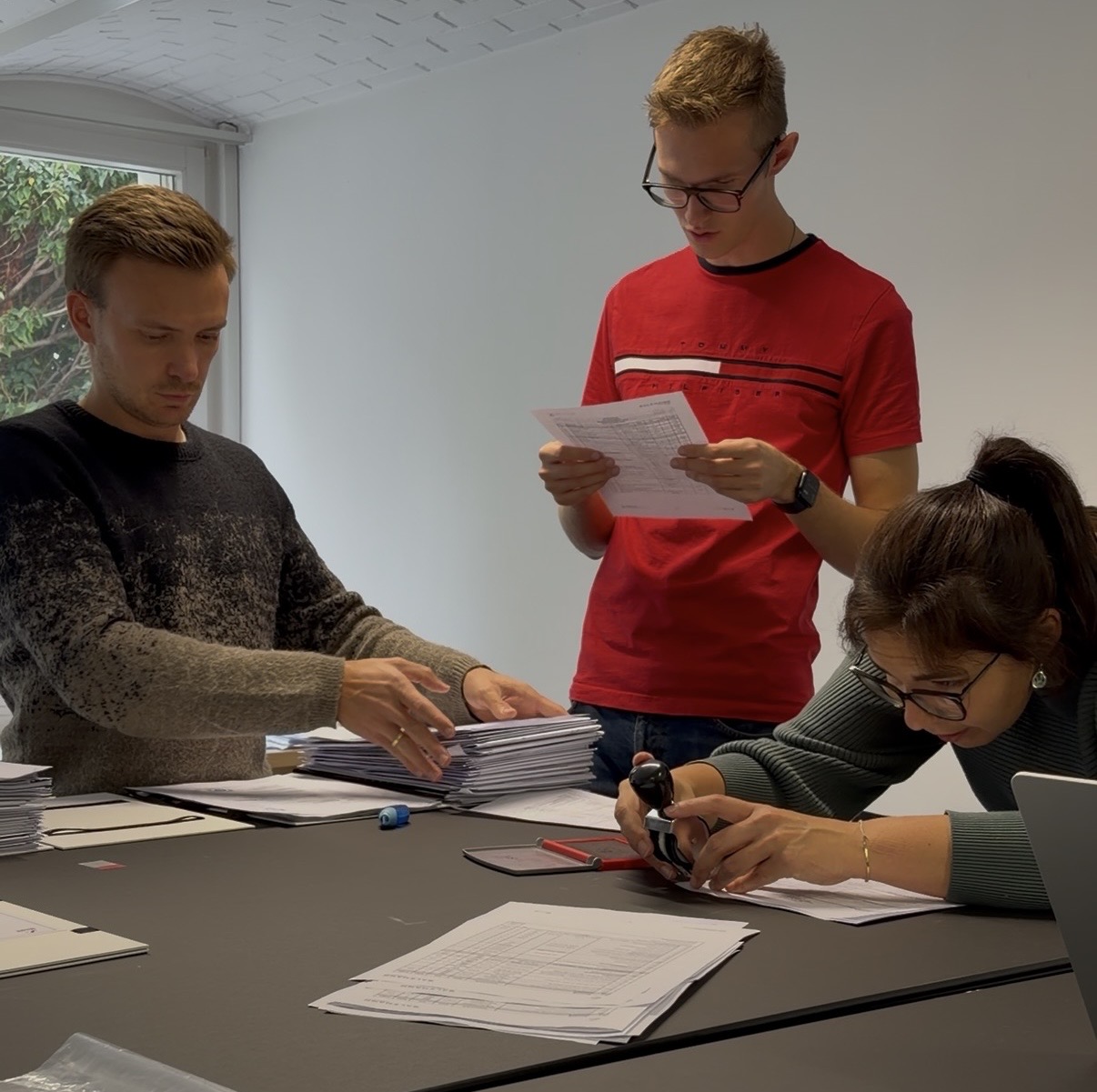
An internship in ropeway design: three construction sites, no two alike
An internship in ropeway design: three construction sites, no two alike

Ten years at Salzmann: congratulations, Katrin!
Ten years at Salzmann: congratulations, Katrin!

One of Austria’s highest-capacity chairlifts is taking shape on the Kreischberg
One of Austria’s highest-capacity chairlifts is taking shape on the Kreischberg
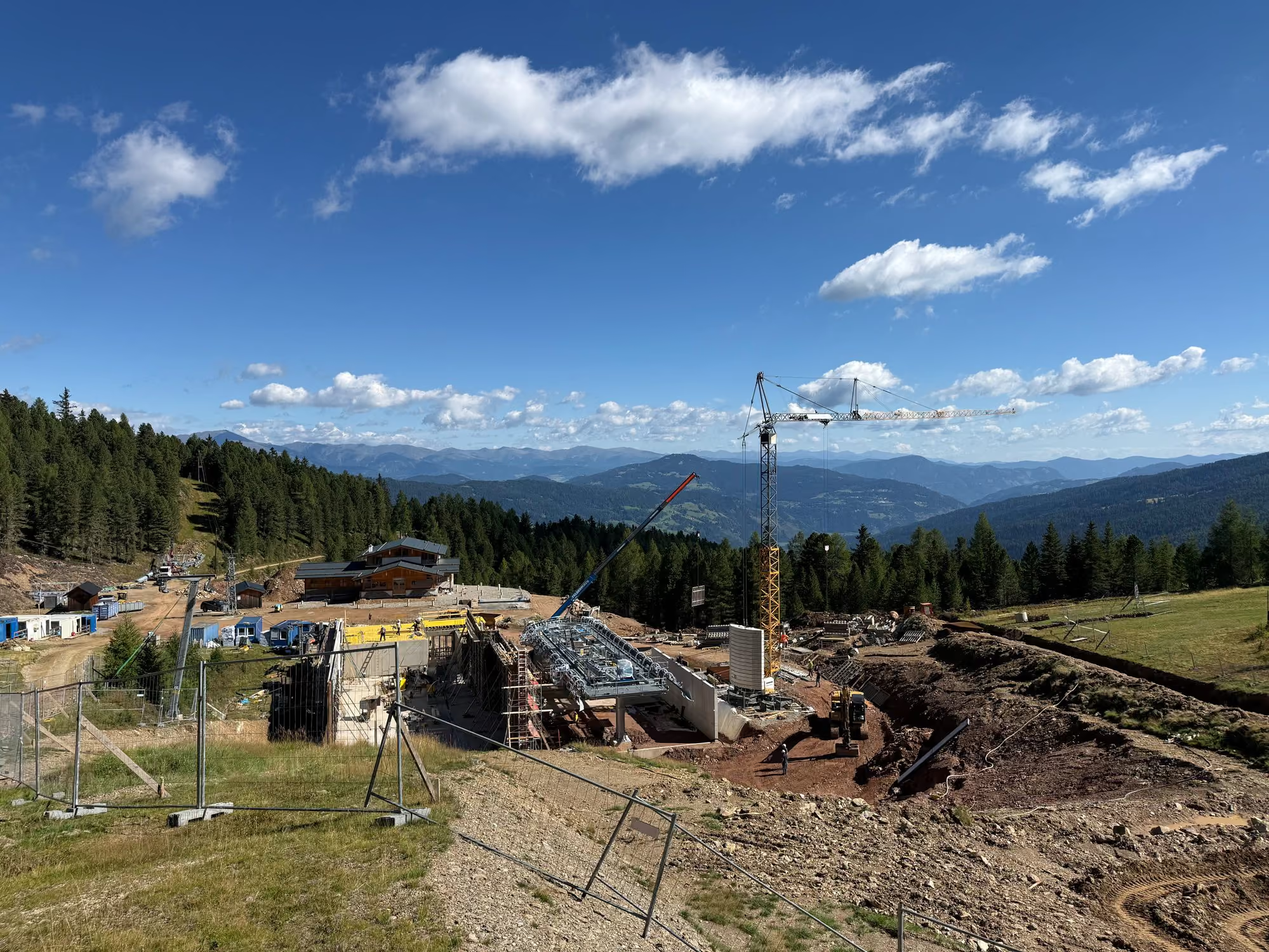
Old made new: the Freda Bahn
Old made new: the Freda Bahn
New website online
New website online

Welcome to the team, Sani
Welcome to the team, Sani

Welcome to the team, Leon
Welcome to the team, Leon