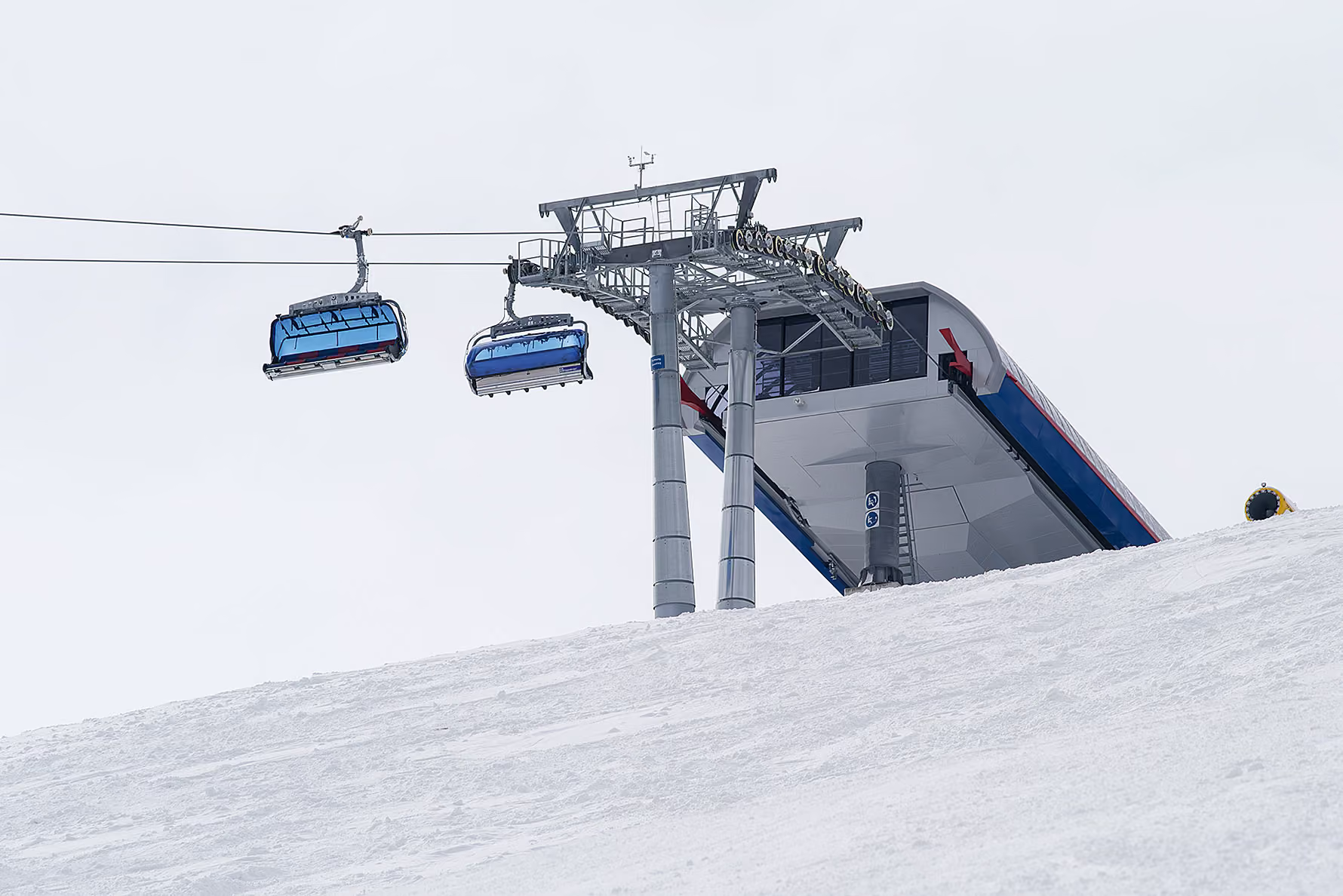
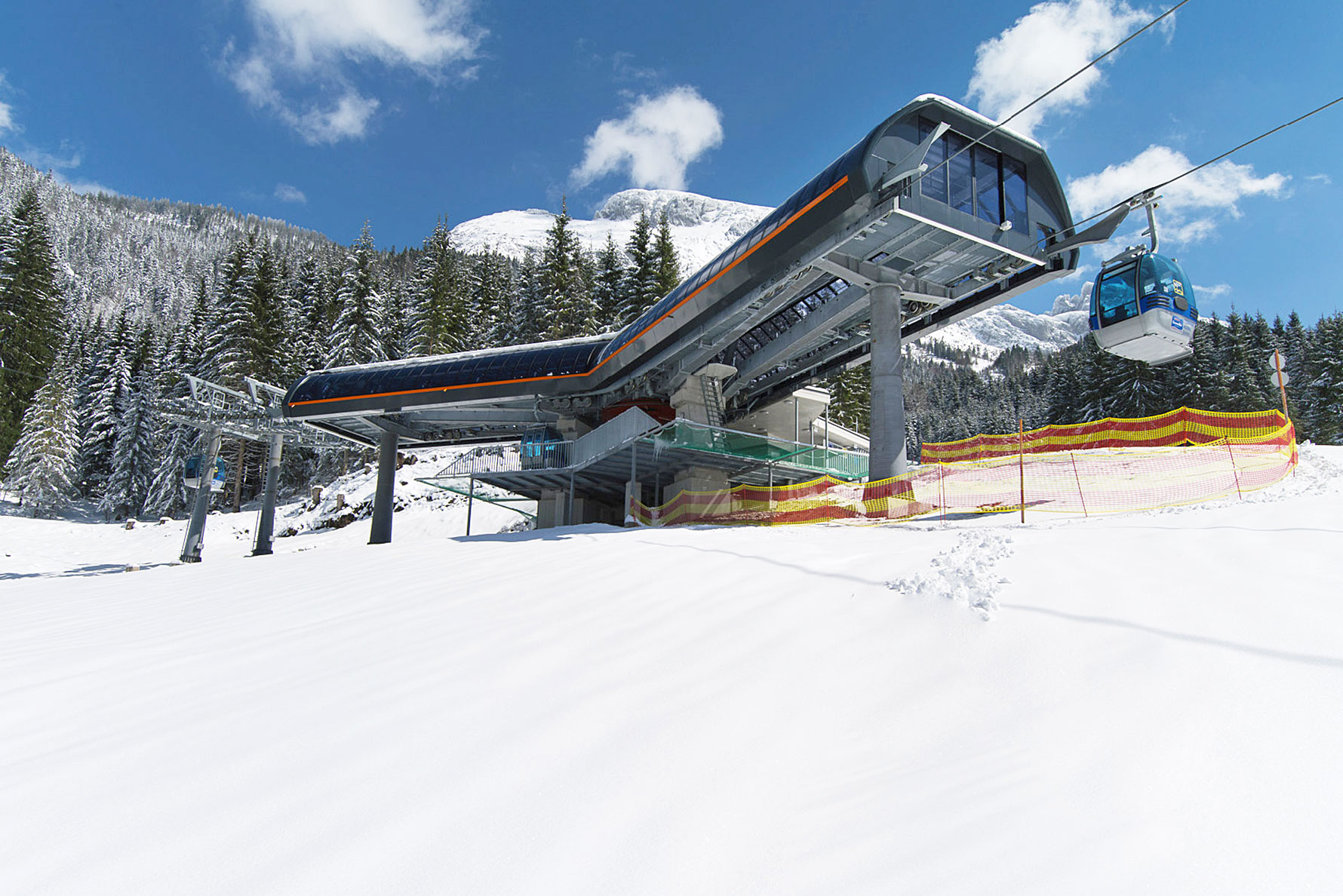
10EUB Flying Mozart and 10EUB Panorama Link
Dream views and maximum comfort
Dream views and maximum comfort
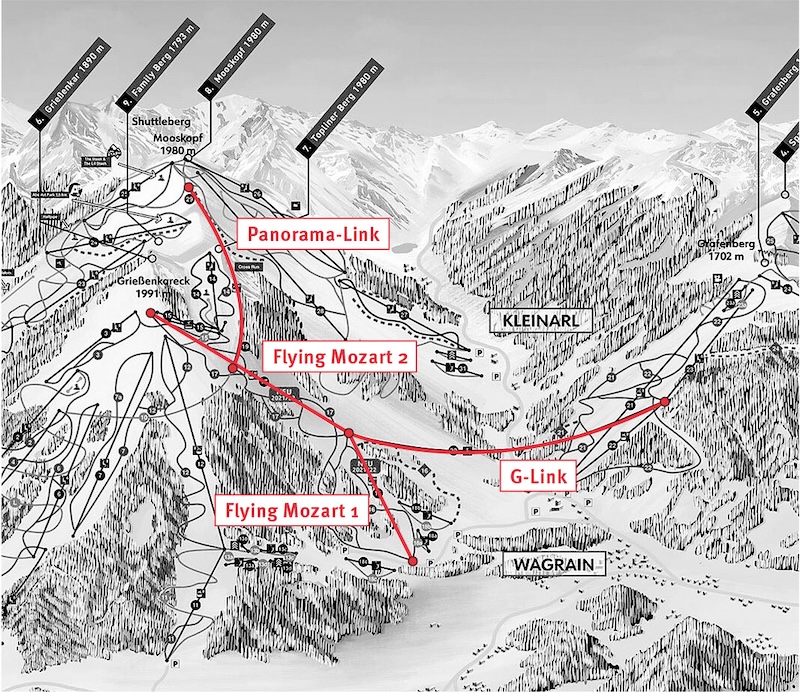
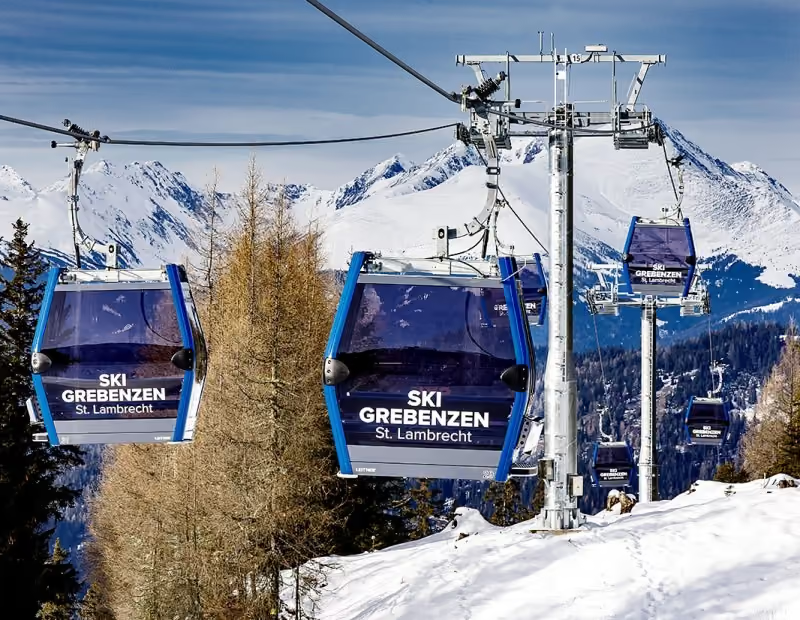
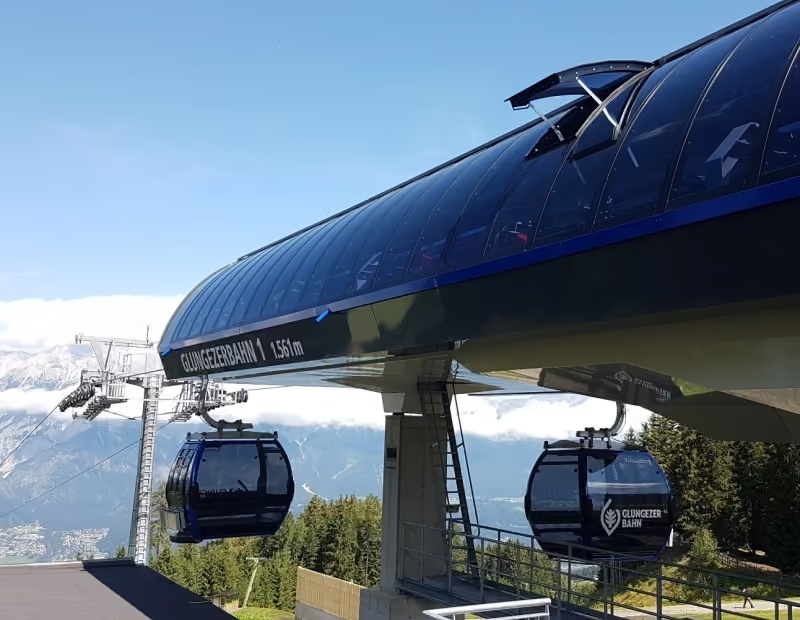
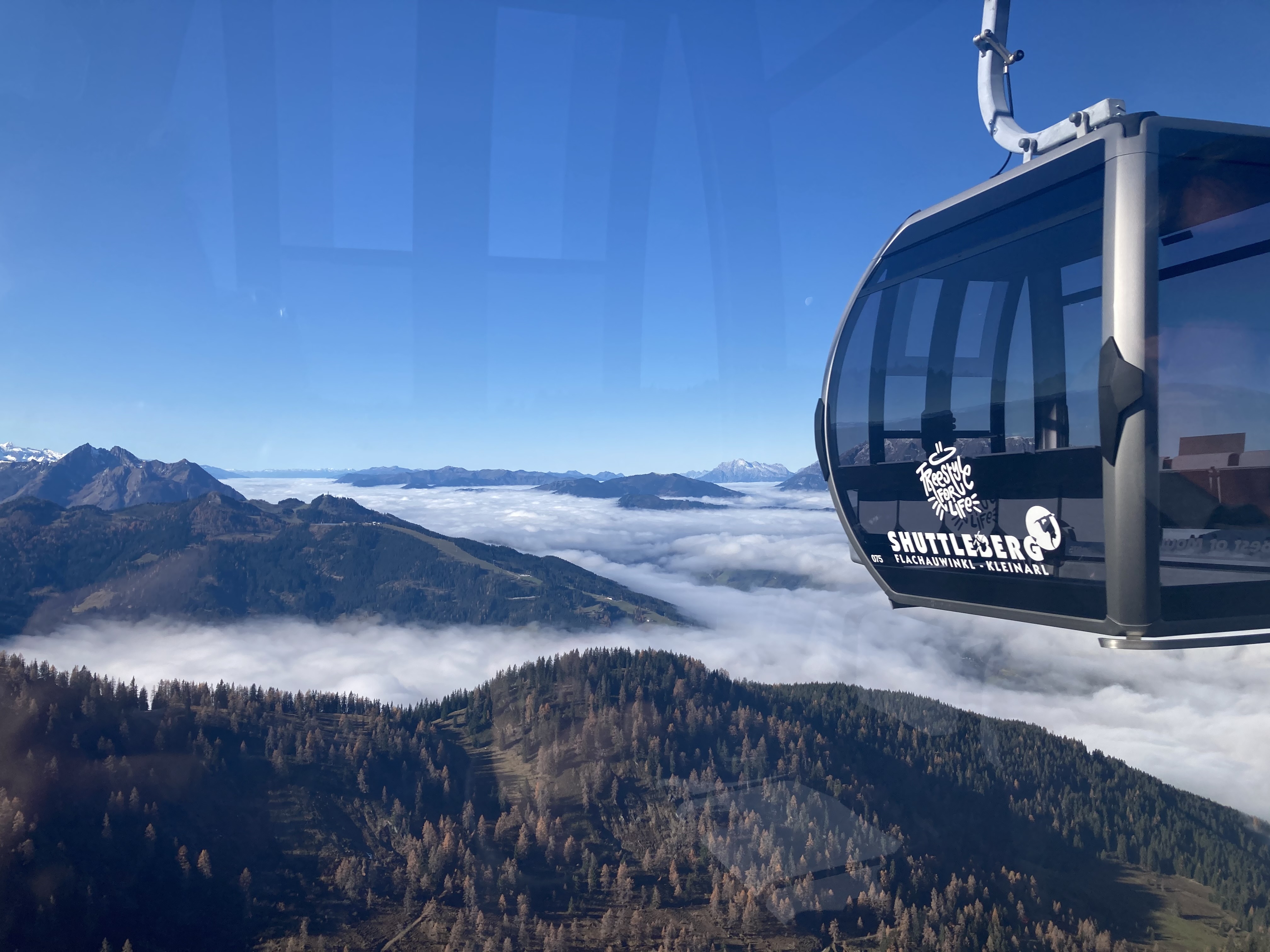
The Panorama Link connects the Snow Space Salzburg and Shuttleberg Flachauwinkl-Kleinarl ski areas. Since October 2020, passengers on the gondola lift have enjoyed spectacular views of the High and Low Tauern. Building it in high alpine terrain was a challenge. During the renewal of the ten-passenger Flying Mozart gondola lift on the Grießenkar, completed in October 2021, the relocation of the mid station with underground rope routing proved a structural masterpiece.
In the Salzburg Pongau region, 12 summits, 5 valleys and 210 kilometres of pistes stretch from St. Johann via Wagrain and Flachau to Zauchensee. This makes the mountain region at the heart of Ski Amadée one of Austria’s largest tourism destinations. Following the 2017 merger of the Wagrain, St. Johann and Flachau ski areas to form Snow Space Salzburg, and the G-Link aerial tramway built by Salzmann Ingenieure in 2013, the Shuttleberg Flachauwinkl-Kleinarl ski area, previously accessible only by road, was also to be linked into the piste landscape. The connection reduces traffic in the valleys in favour of a comfortable skiing experience with numerous access points.
In parallel with the design of the Panorama Link connecting lift, the Flying Mozart gondola lift in Wagrain, heavily used since 1988, was replaced. The new installation had to take account of the changed transfer, boarding and disembarking arrangements. While the complex alignment through high alpine terrain made the Panorama Link a lengthy process, the new Flying Mozart called for considerable structural effort to achieve an optimum link with the G-Link top station. The first plans for the overall project were drawn up in 2016. Construction of the two lifts was finally completed in October 2020 (Panorama Link) and October 2021 (Flying Mozart) respectively.
“Connecting the ski areas realises our long-held vision of this diverse, modern ski region. The modernisation of the Flying Mozart marked a key milestone,” says Wolfgang Hettegger, Chairman of the Board of Snow Space Salzburg Bergbahnen. After a quiet winter in 2020/21 due to the pandemic, the new lifts made for a successful premiere in their first joint season. “Together we are even stronger. Our guests are delighted with the boundless ski area and we benefit from a marked drop in traffic,” says a pleased Josef Harml, Managing Director of Shuttleberg.
Panorama Link
System type
detachable 10-passenger gondola lift
Length
3,067 metres
Vertical rise
72 metres
Max. line speed
6 m/s
Capacity
2,394 persons/h
Number of cabins
79
Manufacturer
Doppelmayr Seilbahnen
Flying Mozart 1 + 2
System type
detachable 10-passenger gondola lift
Length
1,053 + 2,093 metres
Vertical rise
315 + 651 metres
Capacity
4,000 + 4,000 persons/h
Max. line speed
6.5 m/s
Number of cabins
55 + 87
Manufacturer
Doppelmayr Seilbahnen

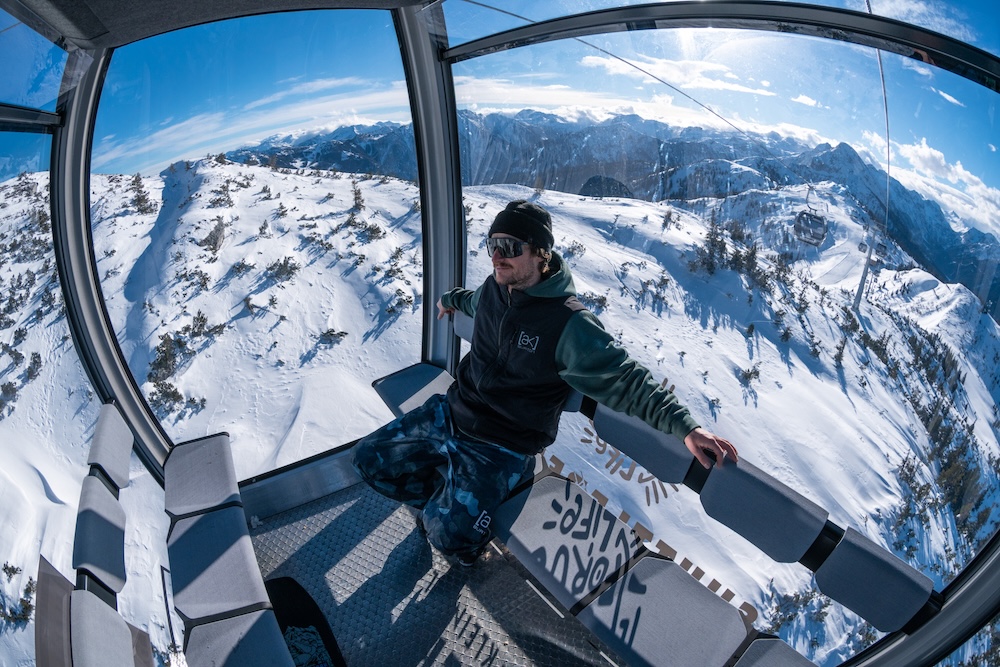
Spectacular views
Short waiting times, short distances, comfortable transfers and, ideally, new pistes: where ski areas meet, efficiency is what counts. But the shortest route is not always the right one, as the design of the Panorama Link proves. “The shortest connection variant was only one kilometre long. Against it were the insufficient capacities of the connecting lifts and a valley in between that was difficult to span in terms of nature conservation and land ownership,” says planner Stephan Salzmann.
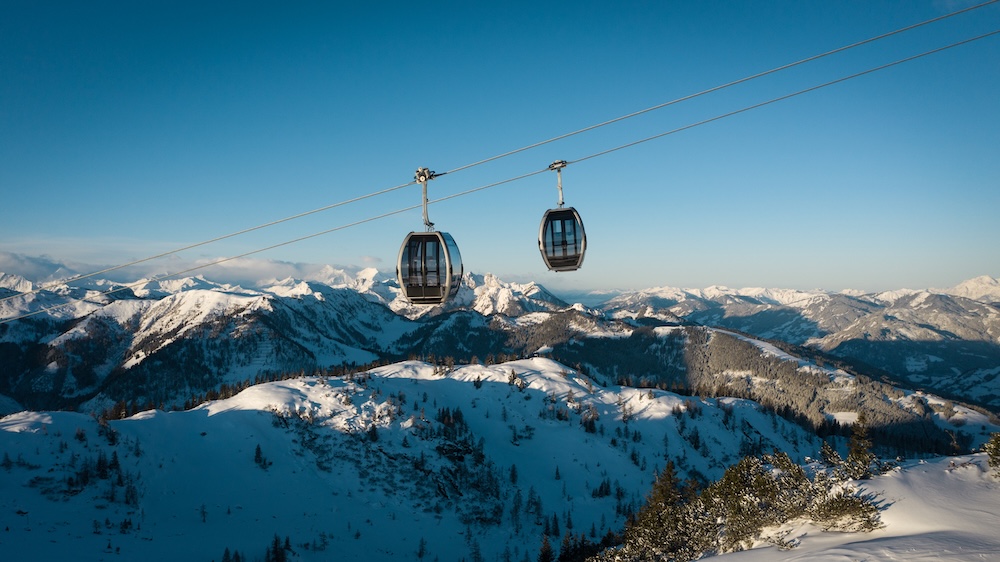
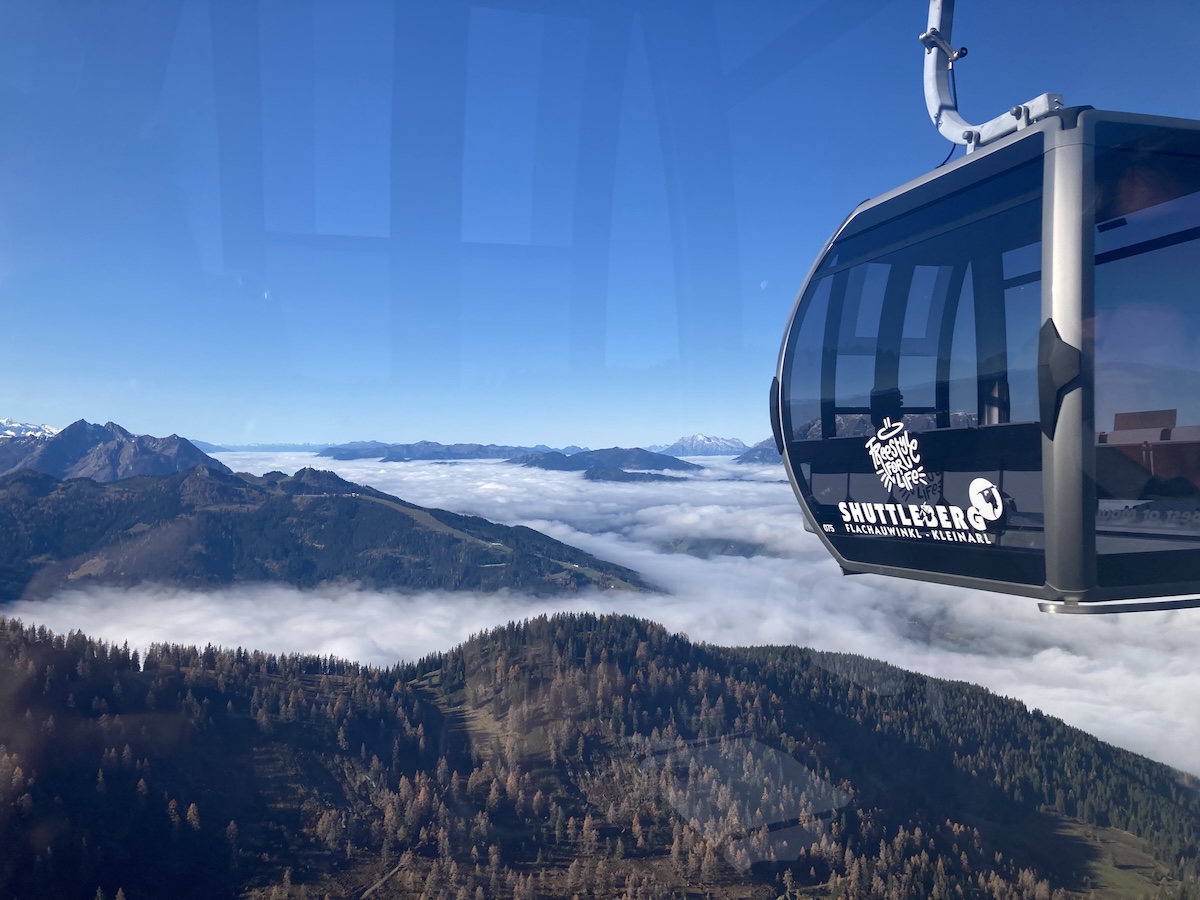
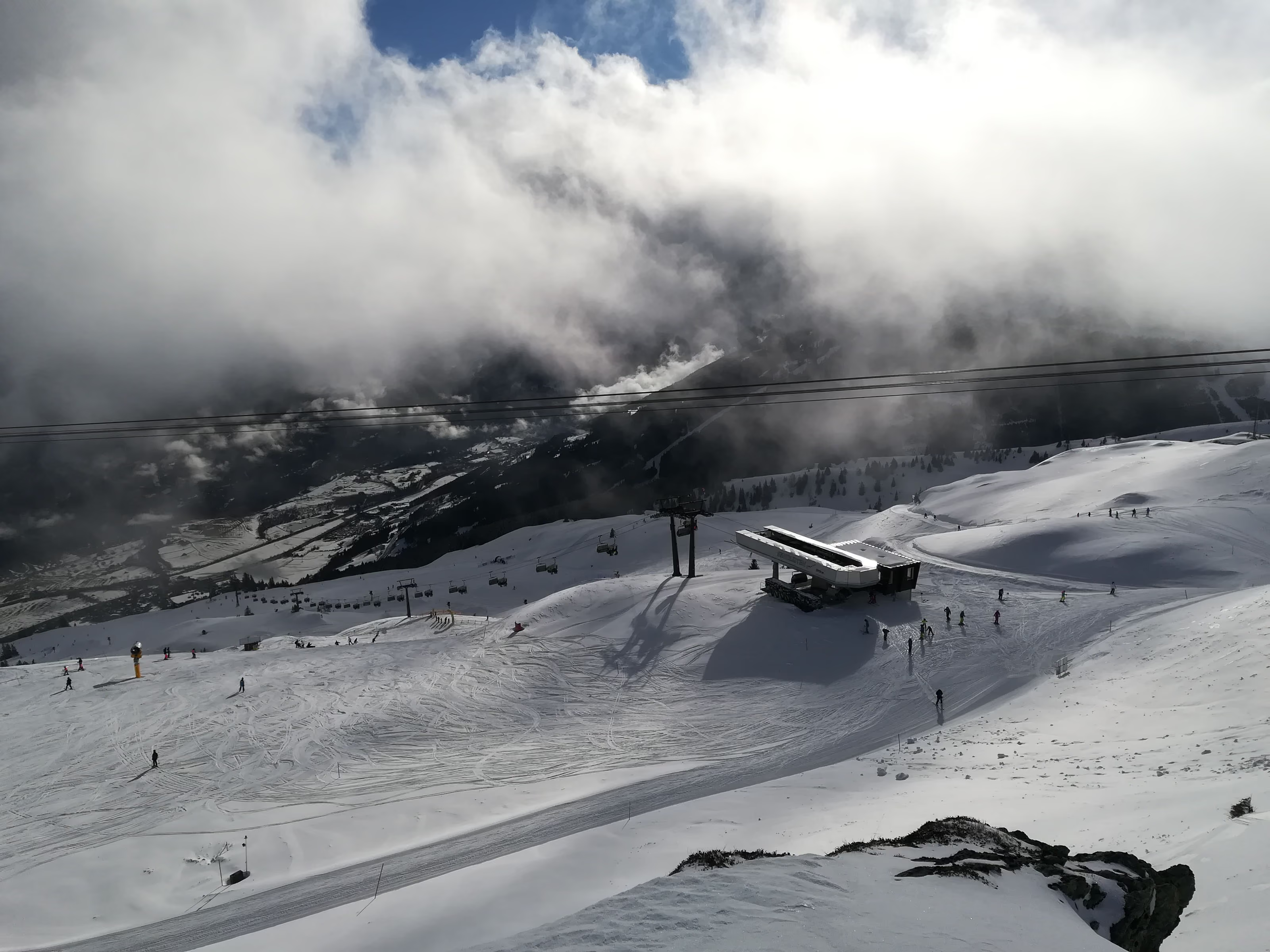
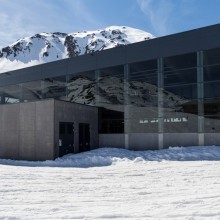
Five years and eleven alignment variants later, the connection was built between August 2019 and October 2020 as a detachable monocable gondola lift. The optimum route runs from north to south, directly over the mountain ridge in high alpine terrain. The ten-passenger cabins offer a spectacular view of the mountains of the High and the Low Tauern. The vertical rise between the top and bottom stations is a mere 72 metres.
Complex installation and innovative evacuation
Designing and building the roughly three-kilometre alignment of the Panorama Link was a challenge on several levels at once: construction in the inaccessible terrain was possible only by helicopter, and flight planning also had to take account of the courtship seasons of black grouse and capercaillie. Because the avalanche-prone terrain does not permit conventional evacuation by lowering cabin occupants on ropes, the integrated evacuation concept was applied – a considerable amount of additional structural work.
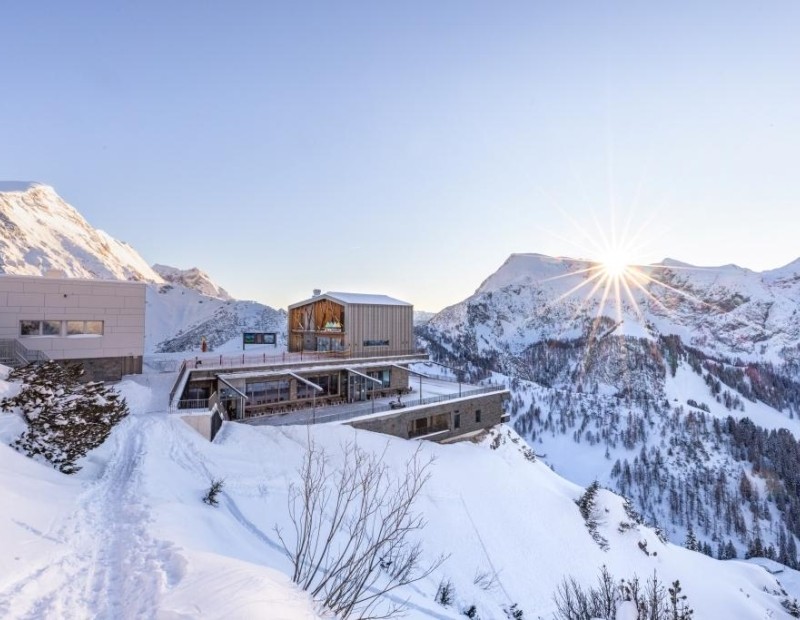
Numerous additional measures, such as a supplementary emergency drive in the bottom station, emergency bearings in the rope sheaves and lifting devices at the towers, ensure that the rope and the carriers remain movable. “Integrated evacuation prevents the lift from becoming inoperable and so ensures that the ropeway can be evacuated safely in the event of defects or faults,” explains Stephan Salzmann. Salzmann Ingenieure was responsible for the design and preliminary design of the ropeway technology and additionally took on the architecture of the top station with its garage, transformer room and low-voltage room.
Fast and comfortable
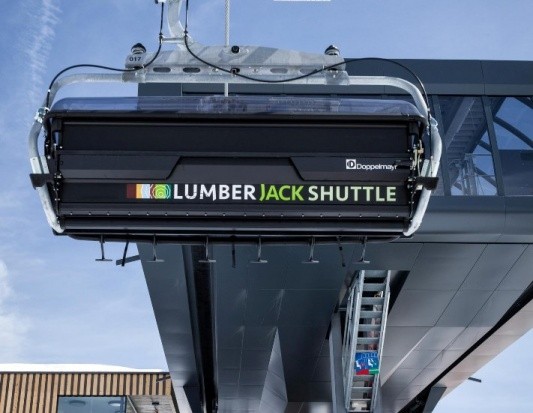
At the top station on the Shuttleberg side, the Panorama Link links up with the state-of-the-art Lumberjack (see Newsletter No. 21) and takes guests across to the new Flying Mozart at Wagrain. From its mid station, the G-Link continues on to Grafenberg. With the old Flying Mozart, the G-Link boarding level was around 20 metres below the mid station. To bridge this difference in height, guests used a lift. The top station, too, was around 50 metres away from the ideal position between the pistes of Flachau and Wagrain. Connecting the formerly separate ski areas changed the parameters. The new ropeway was therefore to deliver not only significantly greater capacity and comfort, but also simpler transfers between sections and stations.
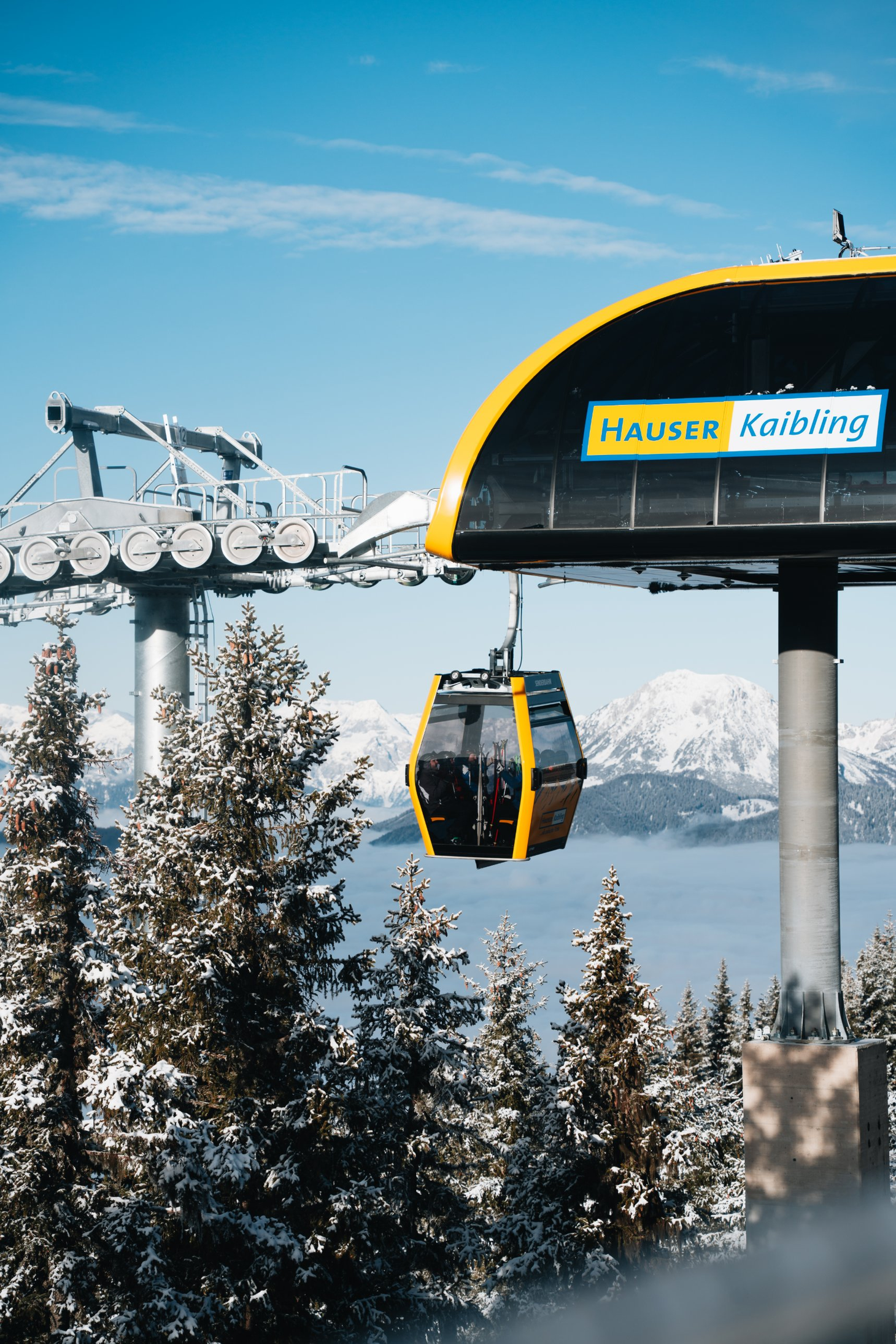
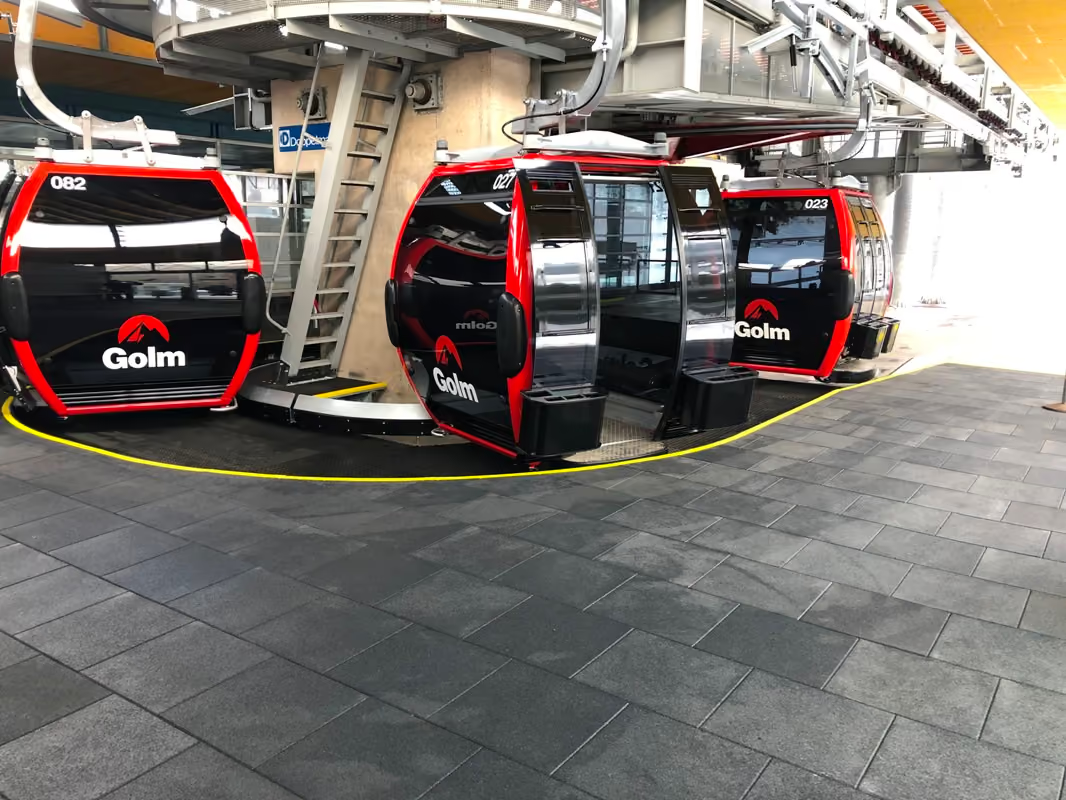
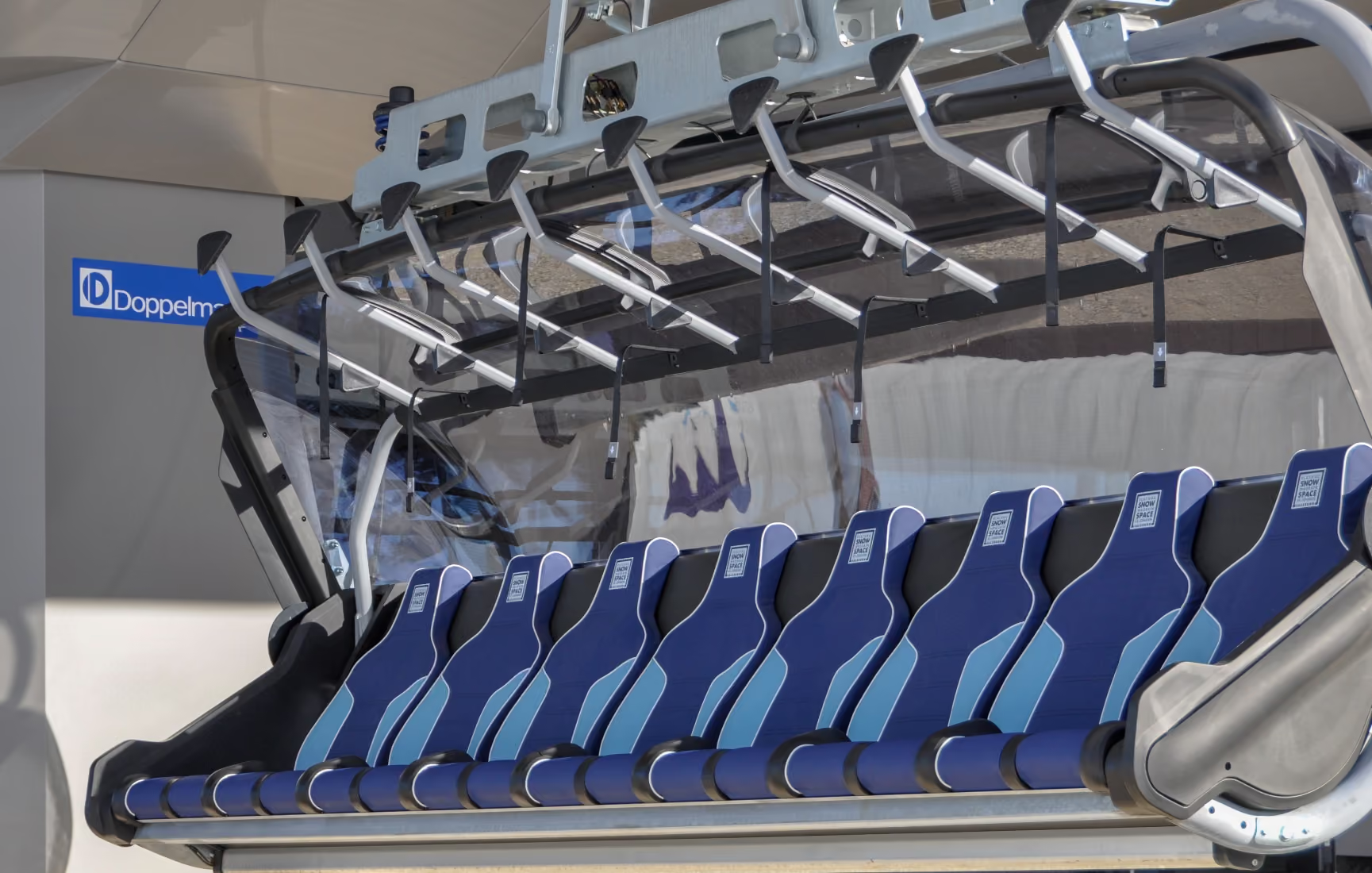
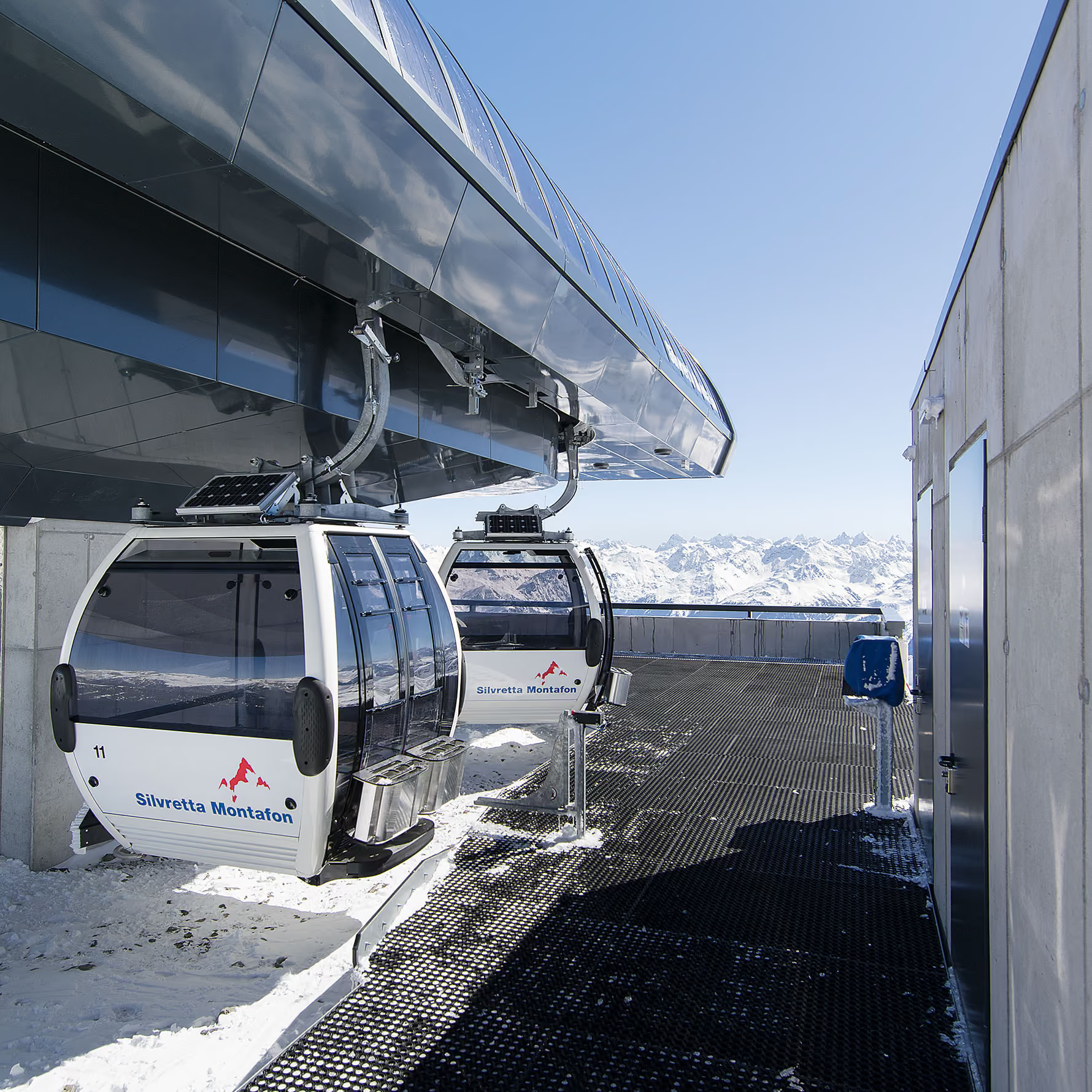
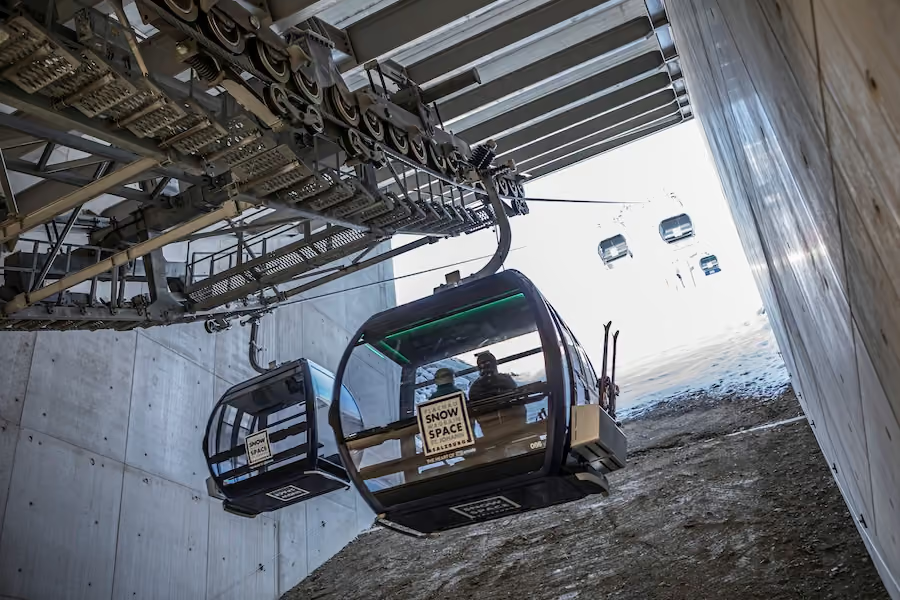
After more than 58,000 operating hours and some 33.7 million guests, the 33-year-old lift was replaced in October 2021 by a state-of-the-art ten-passenger gondola lift with a total of 142 luxuriously equipped cabins featuring heated seats, lighting and Wi-Fi. It carries more than 4,000 guests per hour up the 966 metres of vertical rise from Wagrain to the Grießenkar. “This capacity makes the new Flying Mozart one of the most powerful monocable gondola lifts in the world,” explains Stephan Salzmann.
Underground rope routing
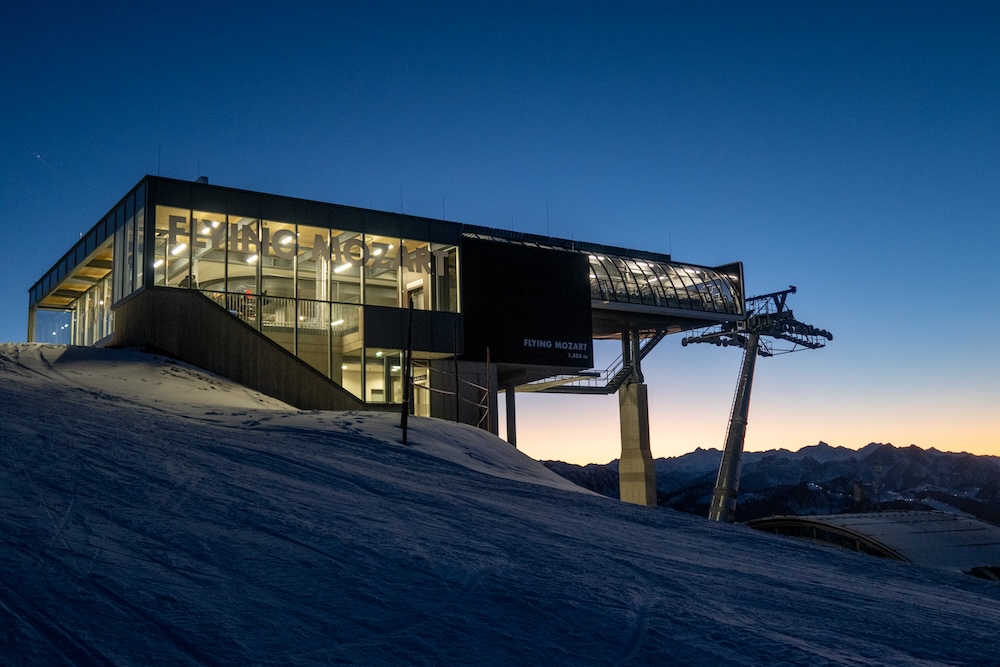
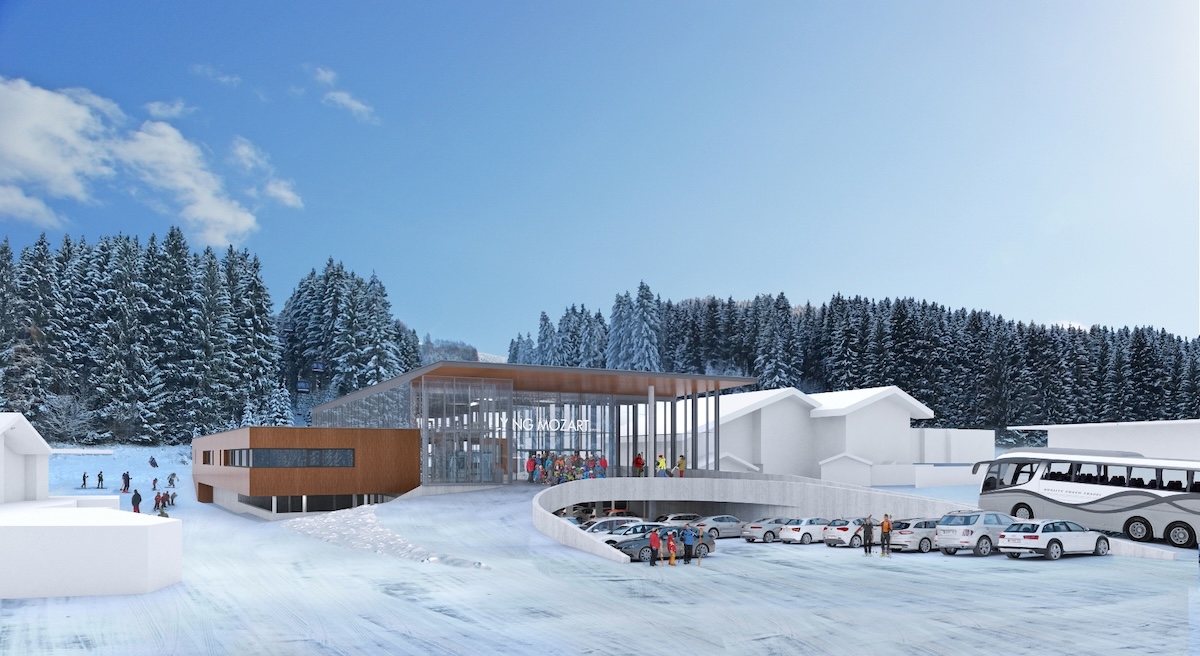
Powerful, comfortable and harmoniously integrated into the landscape: the Flying Mozart, opened in October 2021 after just 9 months of construction, is an impressive sight. A number of hurdles had to be overcome before the ropeway entered service. The existing ropeway was dismantled in parallel with the construction of the new installation and its three stations. “For an uninterrupted start to winter operations, everything from the design to the implementation had to mesh perfectly,” reports Salzmann.
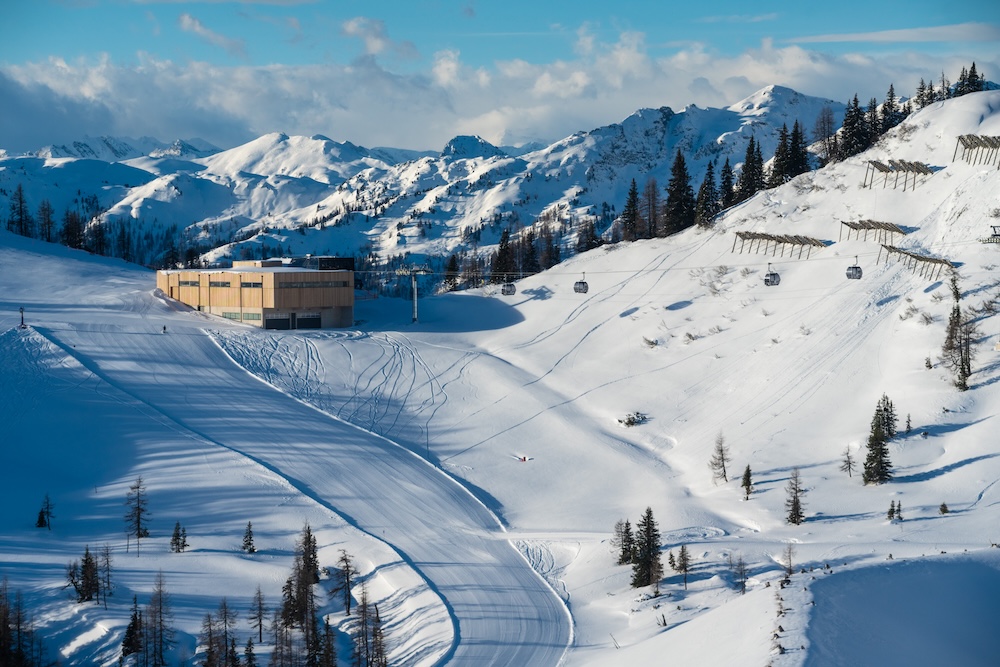
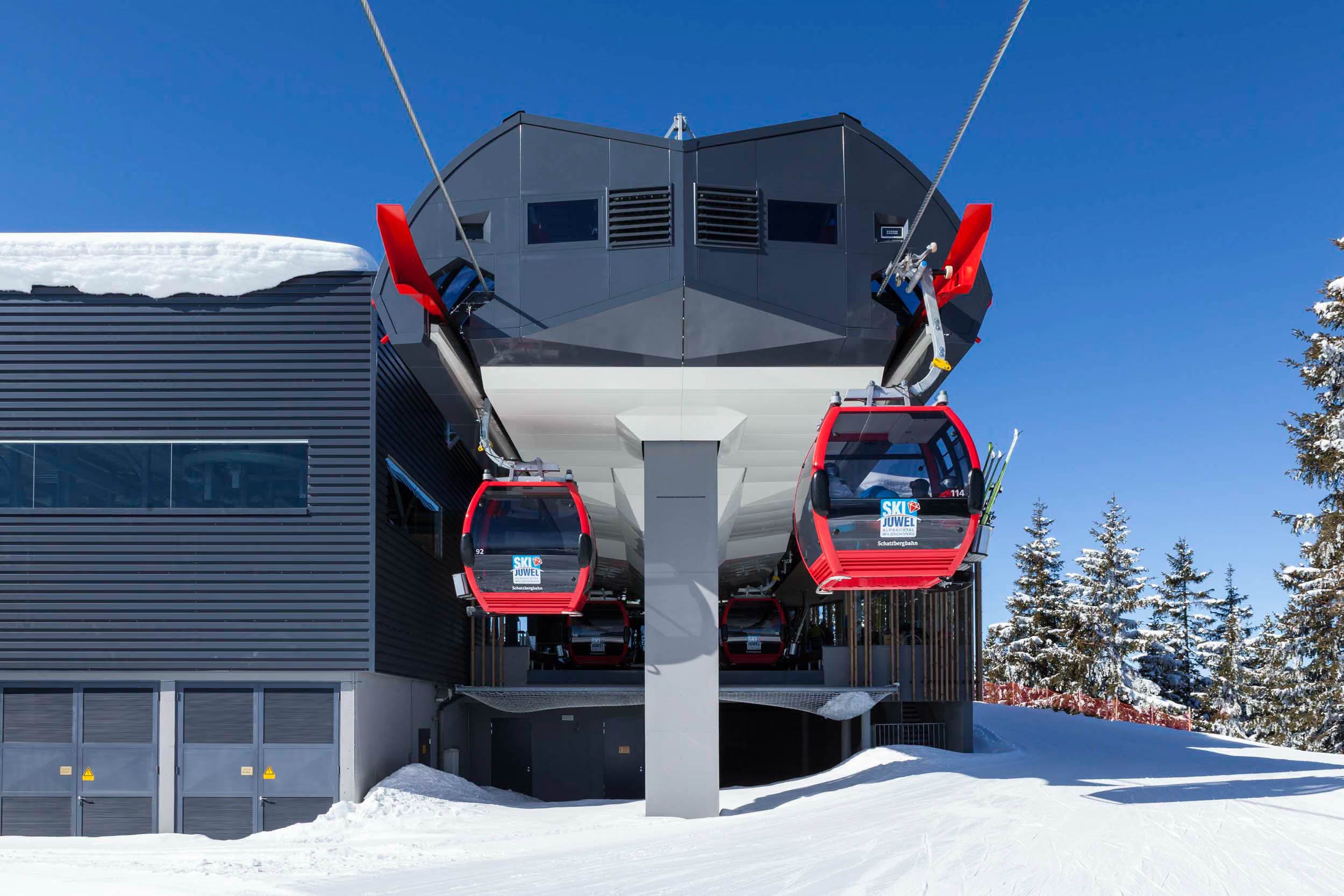
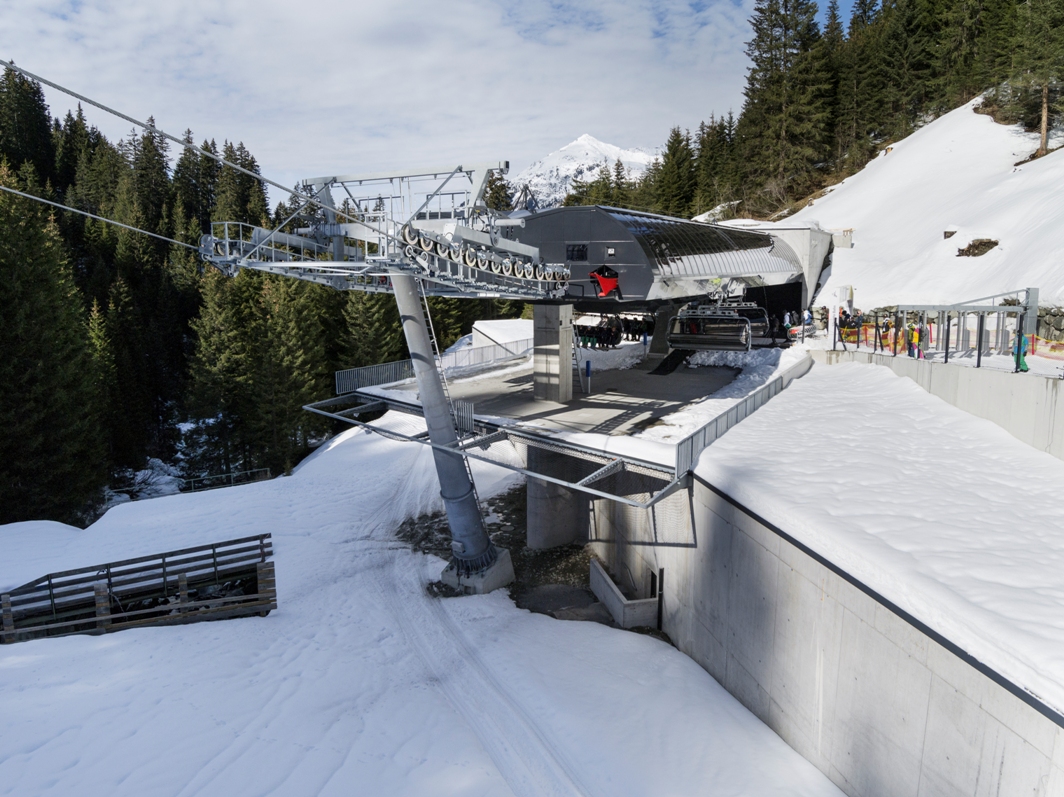
Because the transfer to the G-Link was in future to take place on the same level for reasons of comfort, the new mid station including its garage was moved downwards and embedded into the landscape. According to ropeway planner Salzmann, the intermediate station turned into a highly demanding task: “The below-ground solution chosen is technically very demanding and also cost-intensive. But it has made the connection to the G-Link far more comfortable.” Salzmann Ingenieure was responsible for the complete ropeway technology from the design through to the permit.
Long-standing partnership, long-term vision
For decades, Salzmann Ingenieure has accompanied the rise of the winter sports areas around Wagrain as ropeway planner on numerous projects. As early as 1988, the Flying Mozart, built with architect Helmut Dietrich, set new standards. The Rote 8er was built in 1999. Between 2007 and 2013, following an intensive analysis of the situation, further expansion took place with the construction of the Grafenberg Express I and the valley-spanning G-Link aerial tramway. In 2018 the eight-seater Sonntagskogel II chairlift was added (Newsletter No. 22).
In the neighbouring Shuttleberg ski area, Salzmann was responsible for building the Lumberjack Shuttle in 2018. This modern six-seater chairlift marked the start of the ambitious overall project of merging Snow Space Salzburg, founded in 2017, with Shuttleberg Flachauwinkl-Kleinarl.
“Salzmann has been familiar with the region, its people and its mountains for many years. We at Snow Space Salzburg likewise already enjoy a long-standing partnership and rely on the company keeping its word. That is why we found in Salzmann the partner to realise our vision,” says Chairman of the Board Wolfgang Hettegger.