10EUB Valisera Bahn AURO
Autonomously into the future
Autonomously into the future
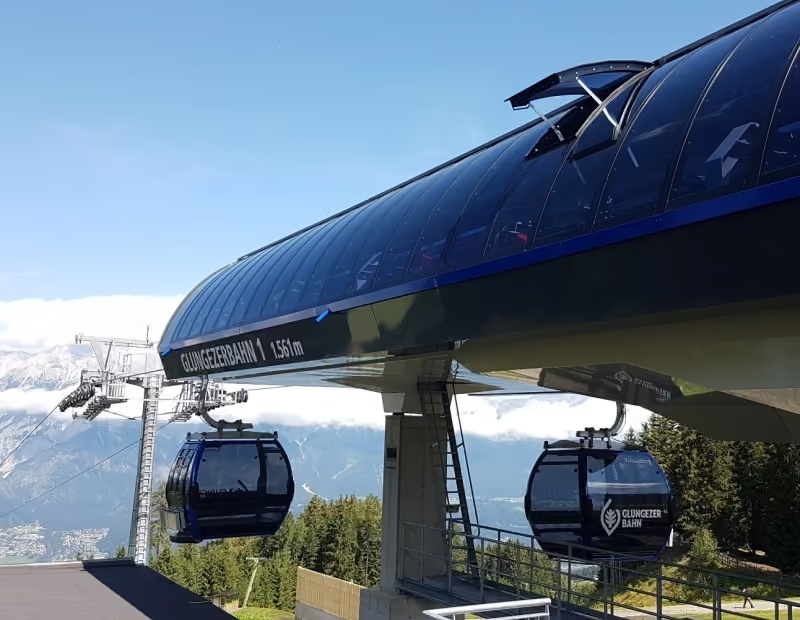
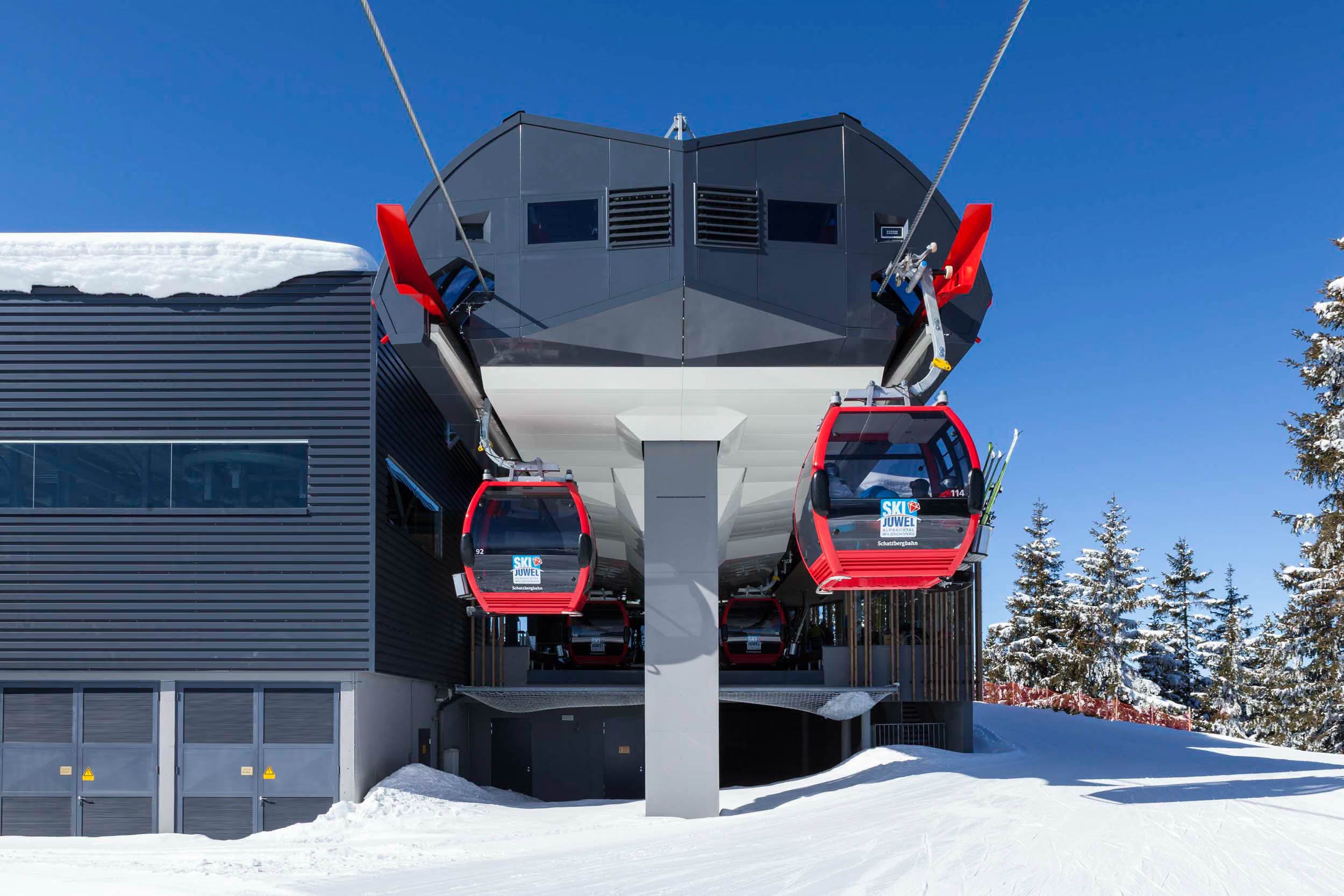
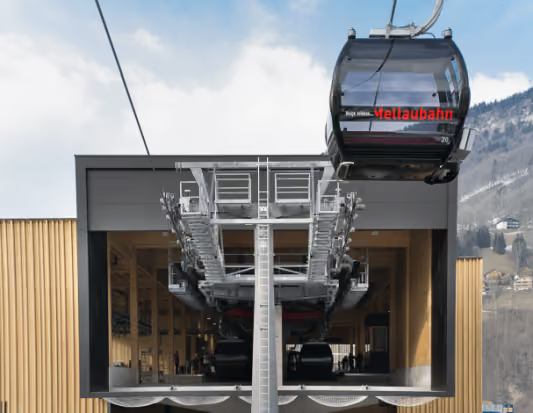
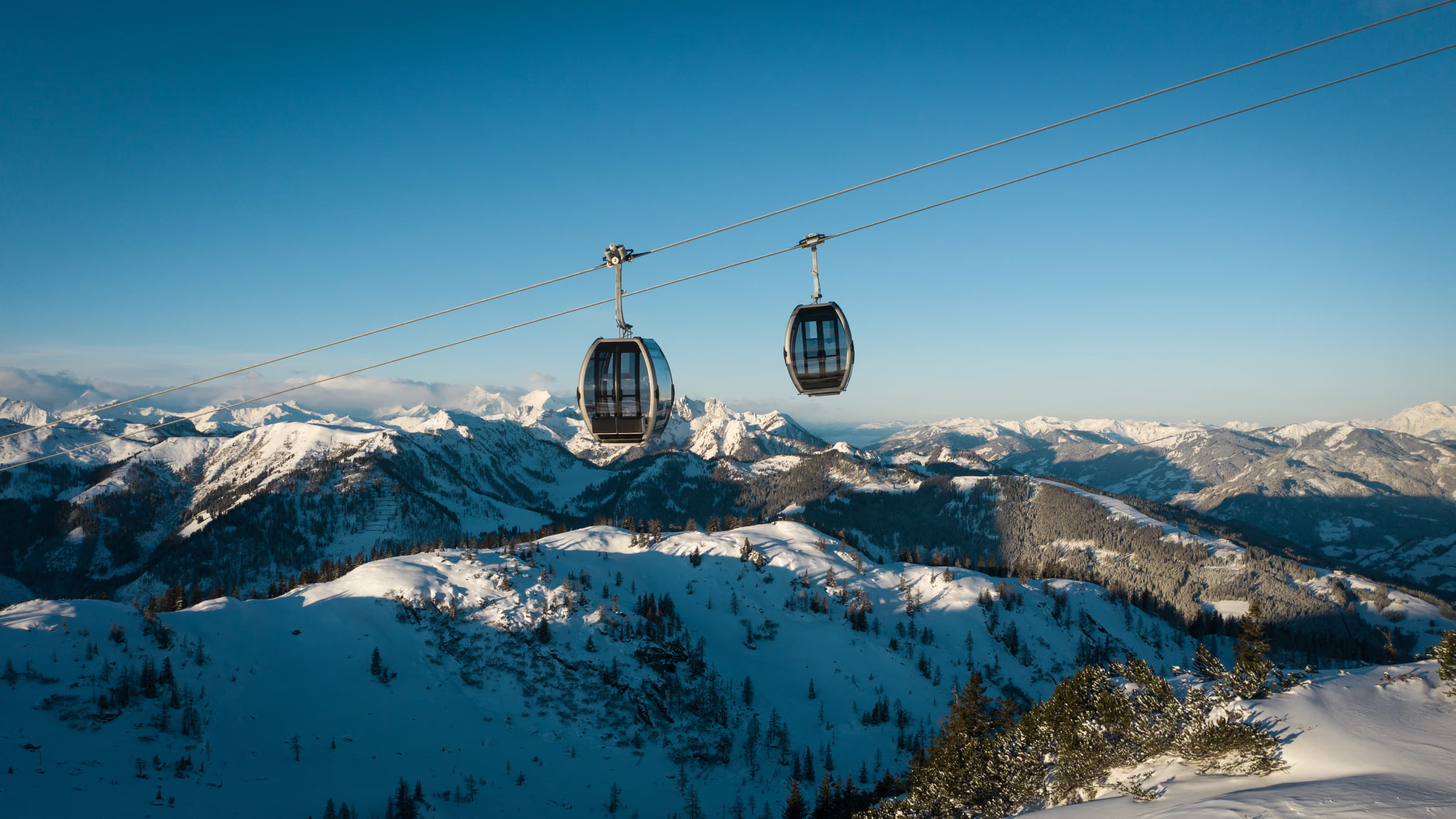
For 40 years the old Valisera Bahn with its 6-passenger cabins connected the two ski area sections of Nova in St. Gallenkirch and Hochjoch in Schruns in the Montafon in Vorarlberg. Since the winter of 2021/22 this high-capacity installation – likewise unique at the time it was built in 1981 – has found a worthy successor in Austria's first autonomous 10-passenger gondola lift. The replacement was realised in only a few months on the basis of the existing alignment and station locations, despite considerably larger dimensions, traffic optimisations and ropeway technology that is new worldwide.
Starting position
Since 2008 the Vorarlberg tourism destination Silvretta Montafon has combined the two ski areas of Nova and Hochjoch and, with more than 140 kilometres of pistes and 35 lifts, is one of Austria's largest ski areas. The link-up was also sealed in practice in 2011 by the construction of the Grasjoch Bahn in the Galgenul district near St. Gallenkirch. Directly opposite the new 8-passenger gondola lift realised by Salzmann Ingenieure (Newsletter No. 5), the Valisera Bahn built in 1981 carried its guests into the Nova area up to an altitude of more than 2,000 metres.
The first considerations for a contemporary replacement of the long-serving 6-passenger gondola lift date back to 2008. Seven years later, plans with an alternative alignment and an inclined lift into the Vermieltal were deliberated. When the complex scheme failed, Salzmann Ingenieure took over the design of a 10-passenger gondola lift on the basis of the existing alignment and stations in 2017.
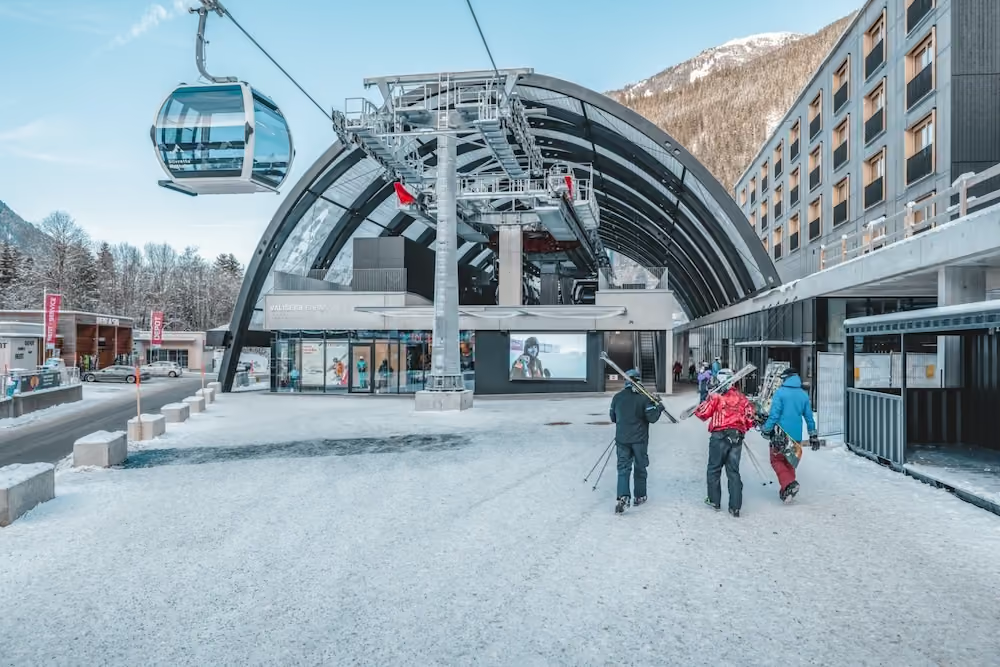
Besides increasing capacity from 2,200 to currently 2,800, and up to 3,600 persons carried per hour in the final build-out, the new Valisera Bahn sets accents worldwide as Austria's first autonomous ropeway. The same applies to the bottom station, which is conceived as a multifunctional centre: the Silvretta Park Montafon houses a sports shop, a ski school, a market hall, staff rooms and a hotel complex with more than 100 rooms, a restaurant and a bar. There is also an underground car park with 50 electric charging points and a total of 600 parking spaces. As with the Grasjoch Bahn, the Innsbruck office Obermoser + Partner Architekten was responsible for this terminal with its spectacular membrane canopy. The mid station and the top station, from the pens of Salzmann Ingenieure and Lang Vonier Architekten, turned out at least as impressive.
After a proud 40 years of operation, the first excavators rolled in in April 2021: demolition, construction and conversion took their course. In a record-breaking eight and a half months, the complete lift with new towers and stations was finished in mid-December – and that despite the pandemic and within the cost framework. Right on time for the start of the 2021/2022 winter season, the first guests boarded at the bottom entirely unassisted and got out again 14 minutes later at an airy altitude of 2,108 metres – an unforgettable experience.
Drive
Mid station
Drive and tensioning
Bottom station
System type
Monocable gondola lift
Construction phase
April - December 2021
Line speed
6.5 m/s
Total slope length
4,170 m
Bottom station elevation
827 m
Mid station elevation
1,635 m
Top station elevation
2,113 m
Number of cabins
67
The start of a new ropeway era
With a total investment volume of EUR 70 million, the new build of the Valisera Bahn together with the construction of the Silvretta Park is one of the largest building projects in the history of winter sport in Vorarlberg, and in 2021 it was also the largest construction scheme in the province. About one third of the costs was accounted for by the innovative ropeway technology. In legal terms, the new installation is a conversion. As the positions of the lift and the stations were not changed, only an extension of the existing concession was required. “The valid contracts ultimately created the basis for timely realisation before the end of the concession. Because the line routing remained unchanged, we were able to integrate the two basement levels of the top station into a conversion concept and thus save money and resources,” reports designer Stephan Salzmann.
The results speak for themselves: the Valisera Bahn is not only Austria's first autonomous ropeway, but also the world's first two-section lift of its kind. The technical basis for the innovative installation is the AURO (AUtonomous Ropeway Operation) system from Doppelmayr. “In the new Valisera Bahn our guests are already experiencing the future of international ropeway technology today. The ultra-modern installation guarantees quick and smooth transport, provides the highest level of service and comfort, fits harmoniously into the mountain landscape and is also captivating thanks to its sustainable and aesthetic design,” emphasises Martin Oberhammer, Managing Director of Silvretta Montafon Holding.
The mid station as the pivotal point
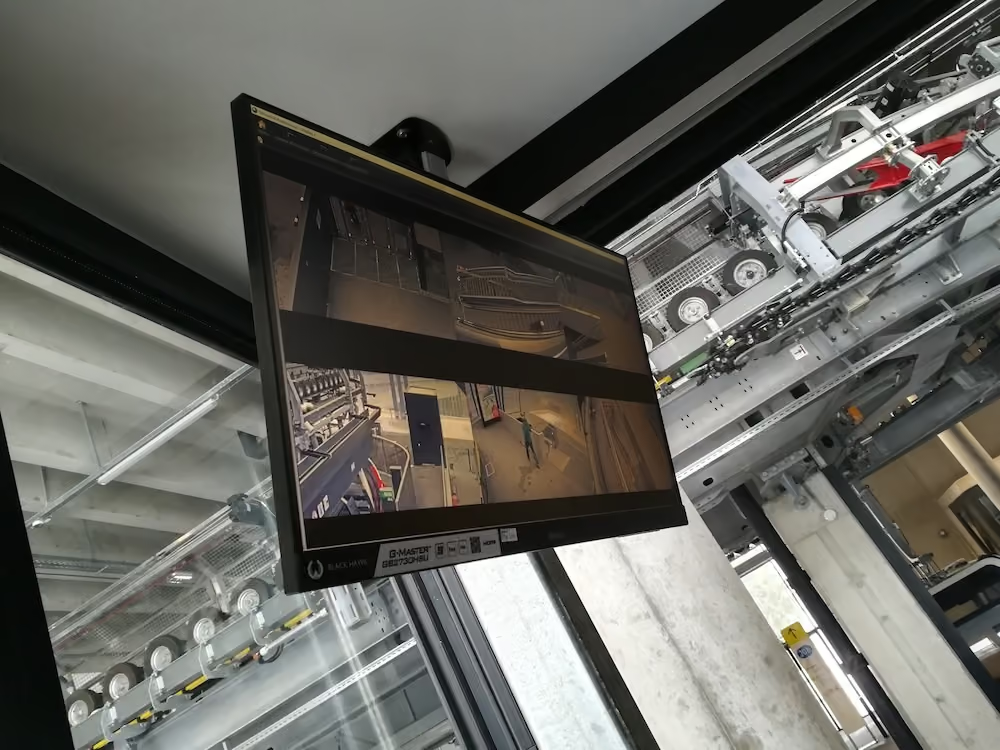
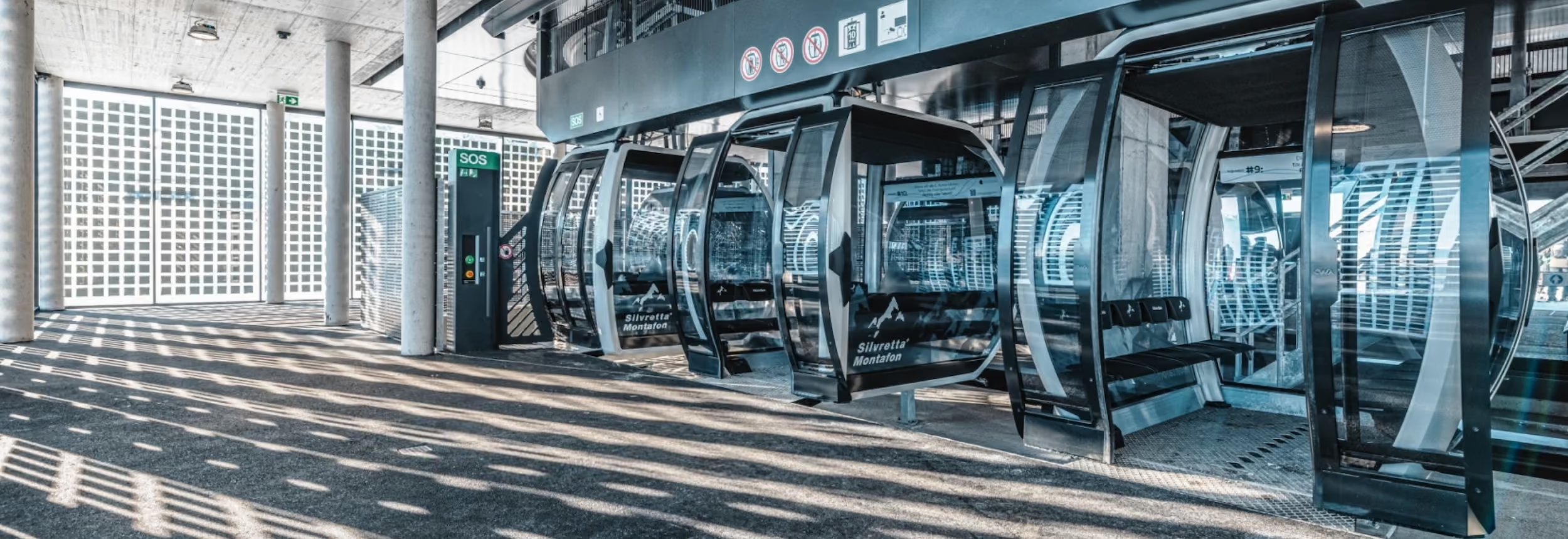
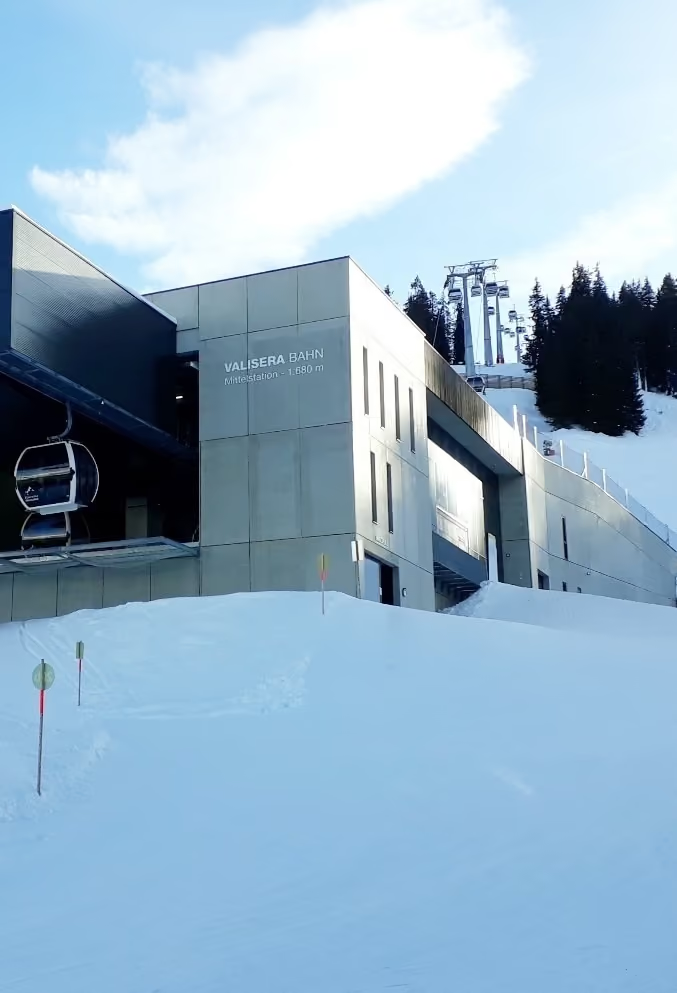
The heart of the Valisera Bahn is located at 1,630 metres: with the so-called Ropeway Operation Center (ROC), the mid station is the control centre of the entire ropeway. In the command and duty room, one person each is responsible for operations at the top and at the bottom. In the bottom and top stations, passengers act independently and yet always under the eye of the professionals. Numerous cameras and sensors provide information about the situation in the unstaffed stations.
In implementing the innovative system, the design team around Stephan Salzmann also had to resolve fire protection and safety aspects. “Autonomous operation required an additional control system and special building services. This makes it possible to control lifts or escalators externally in emergency situations and to close entrance gates remotely,” he explains. Only in the event of a fault do the operating staff have to step in at the unstaffed stations.
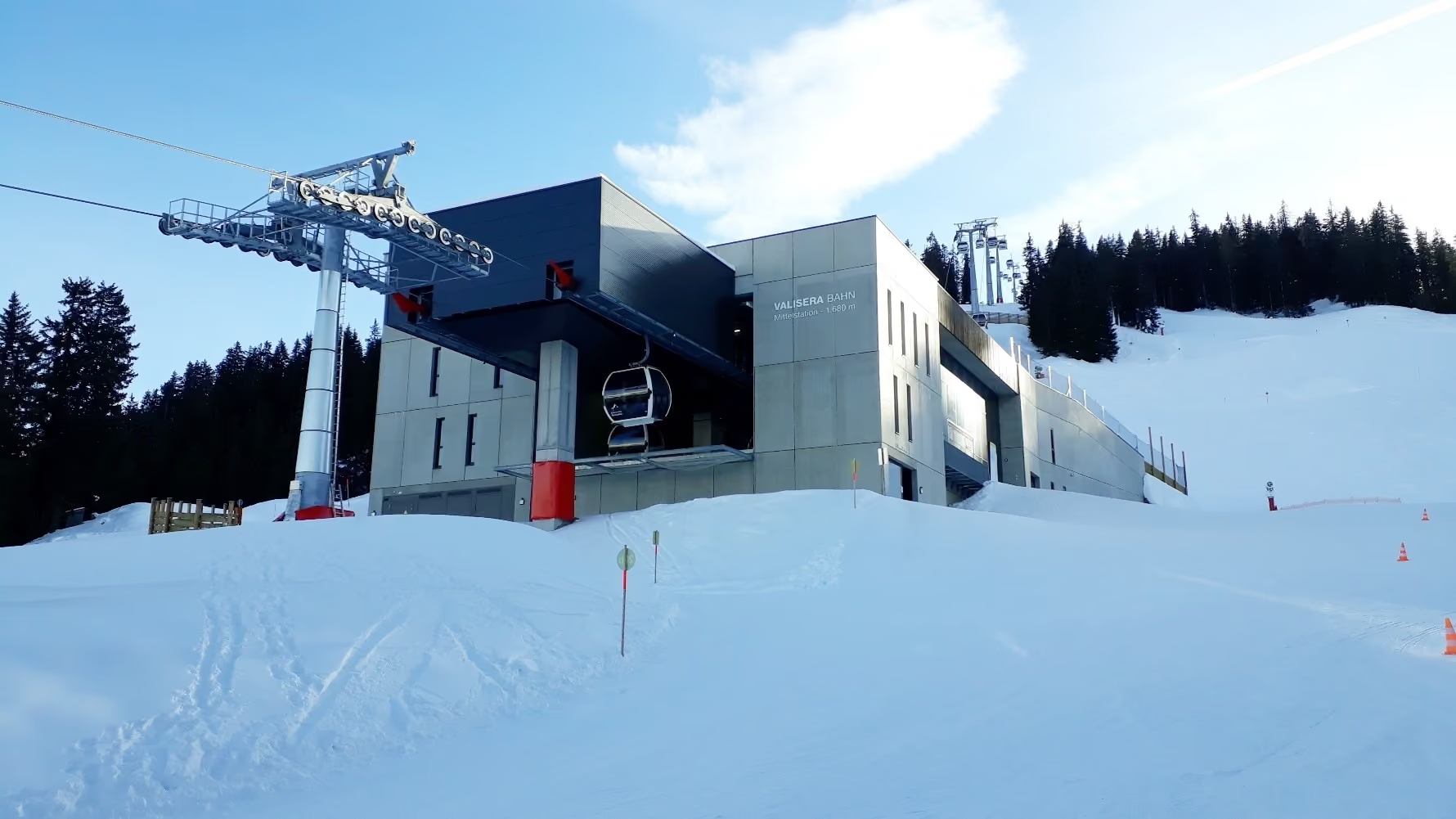
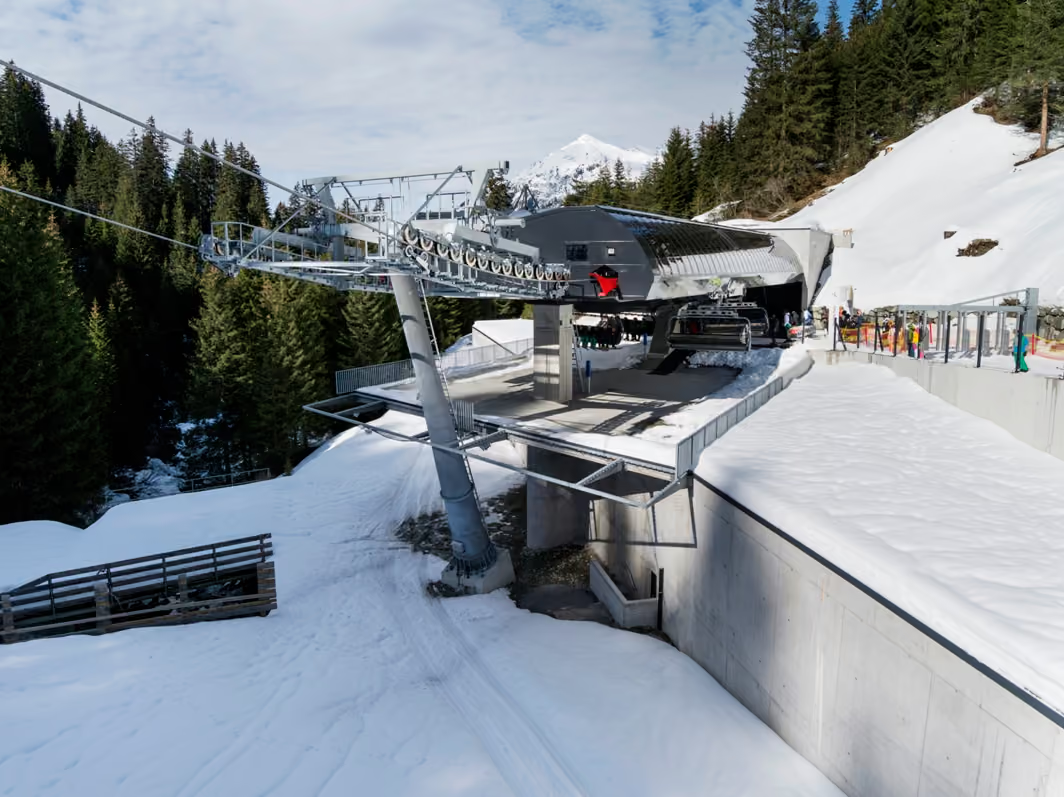
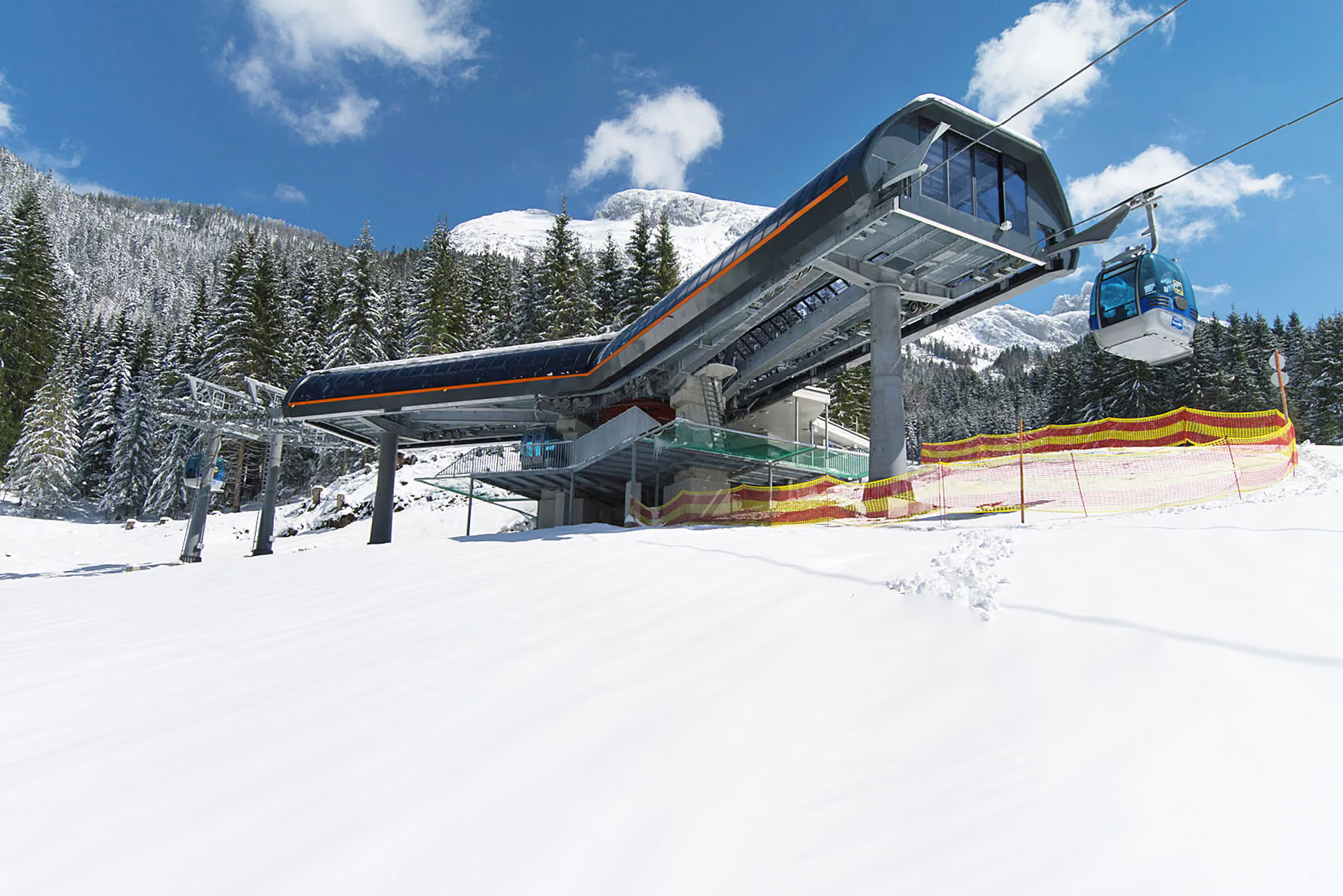
Besides the command centre, the completely redesigned mid station also houses the drive for both ropeway sections as well as the large cabin storage. Over more than 2,500 square metres, it has room for up to 170 cabins.
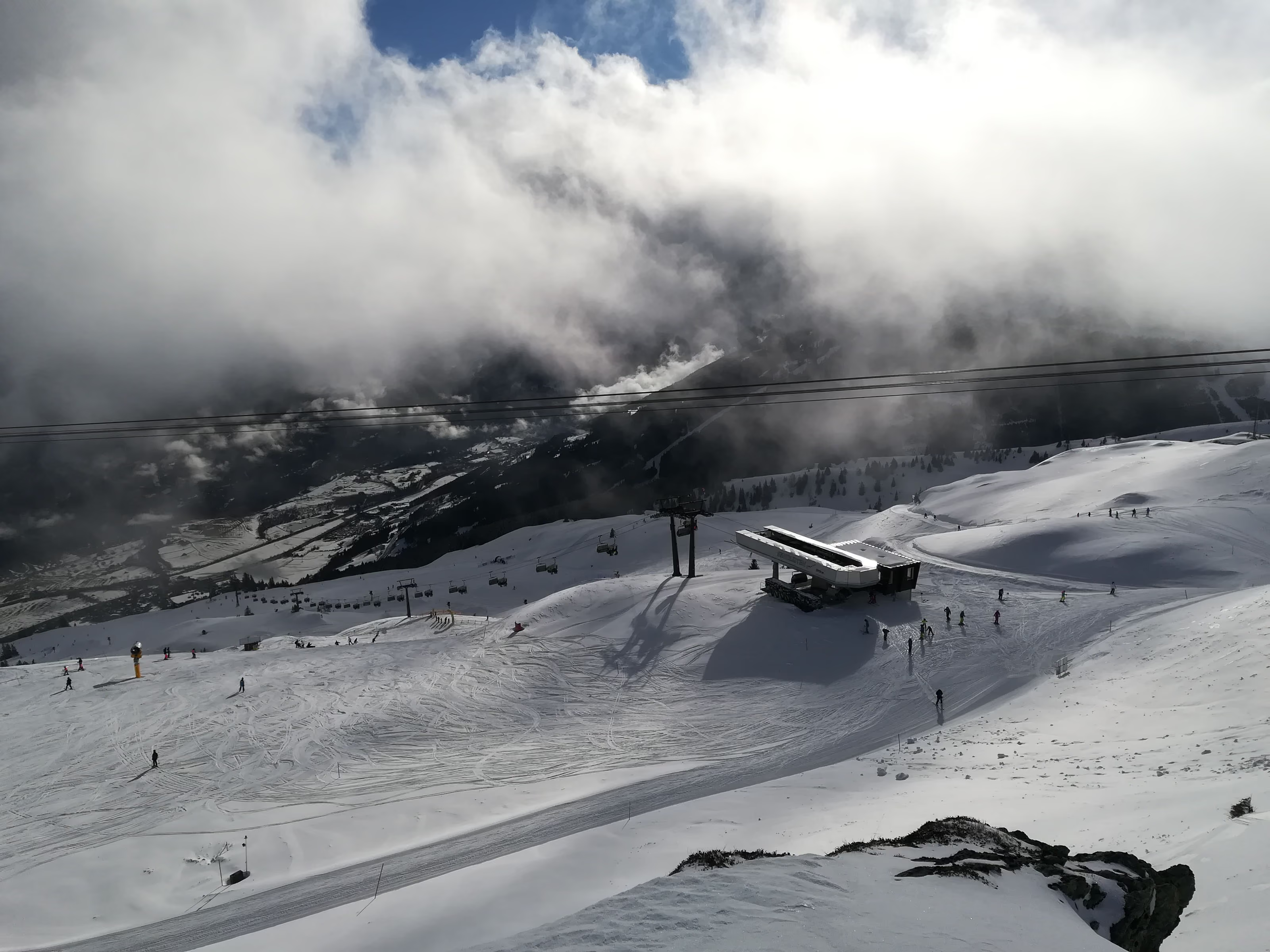
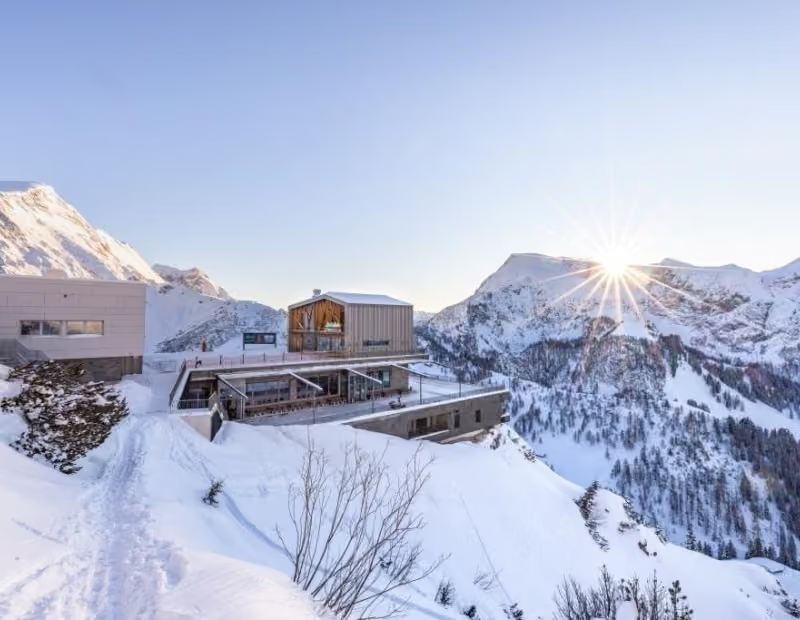
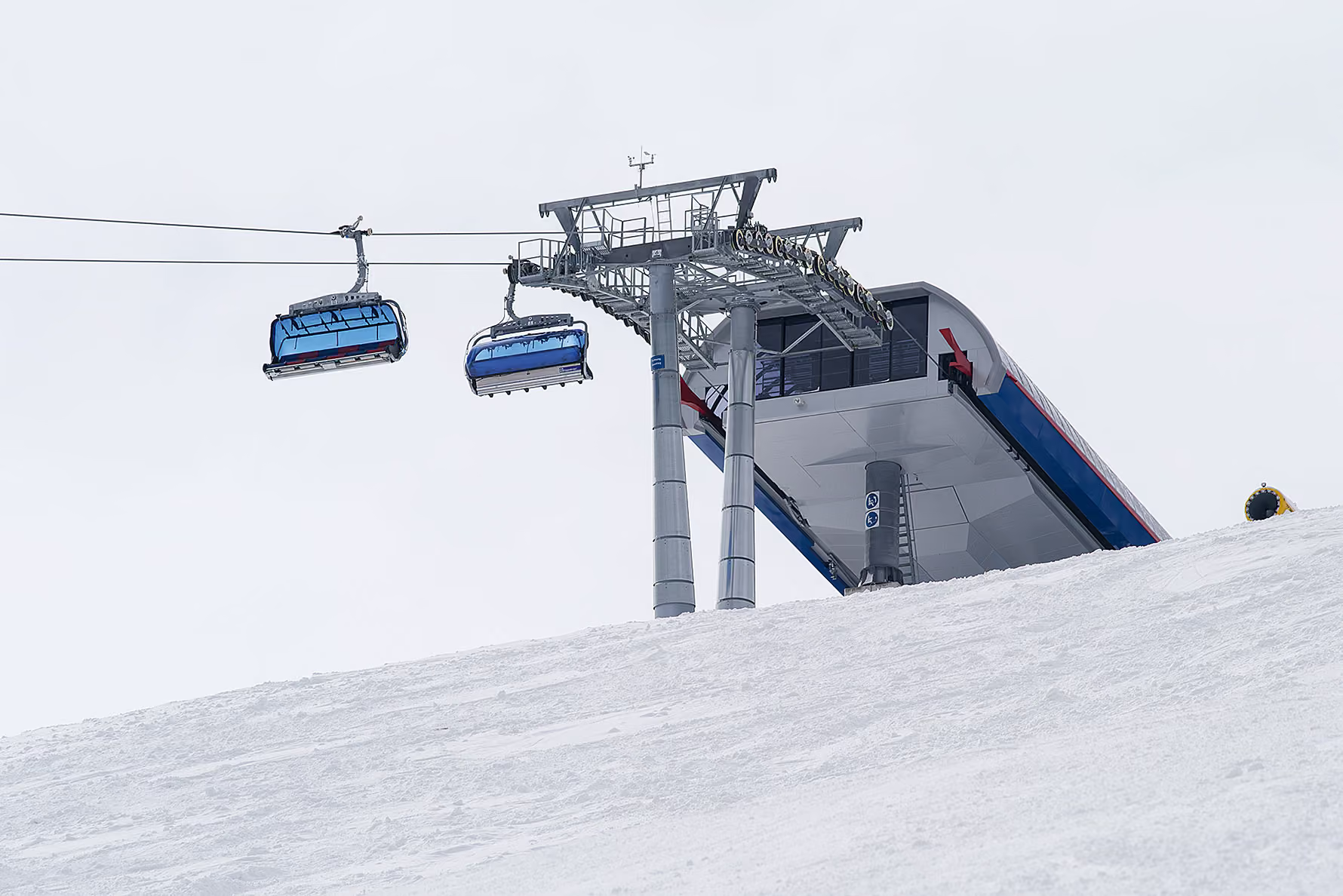
The visually most striking measure is certainly the broad piste loop on the roof of the station. It allows repeat skiers to board comfortably for the journey back up the mountain, gives direct access to the children's area and makes it possible to travel down into the valley by cabin. “We had to place the rope routing one storey below the platform level of the existing lift and embed it in the mountain. This created a funnel-
shaped exit in the direction of the mountain. In summer the platform fits harmoniously into the landscape as a green roof,” reports Salzmann. While he and his team took on the overall design of the building, Lang Vonier Architekten from Schruns contributed the architectural design of the station.
Managing Director, Silvretta Montafon Holding GmbH
Comfort on every level
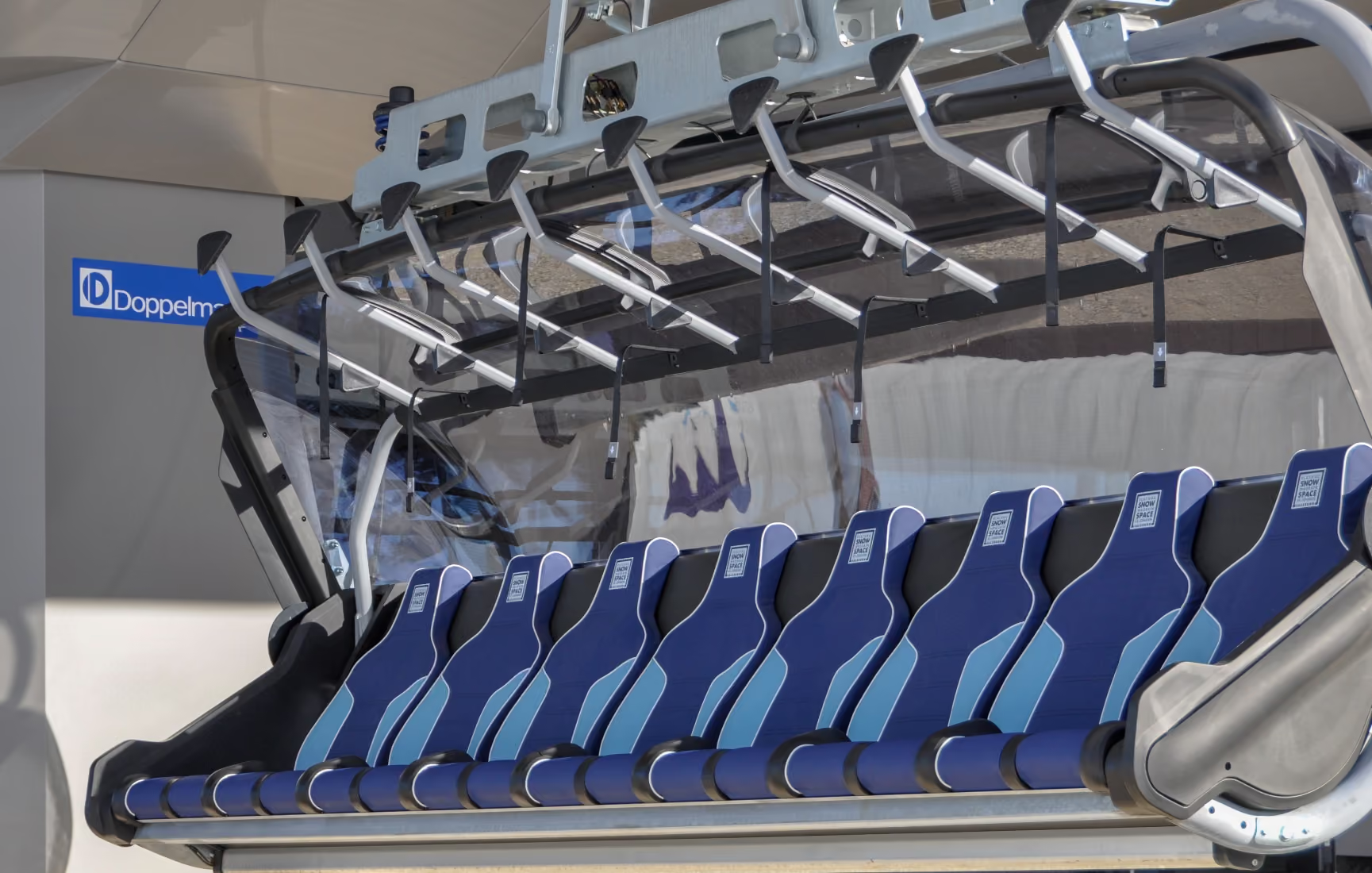
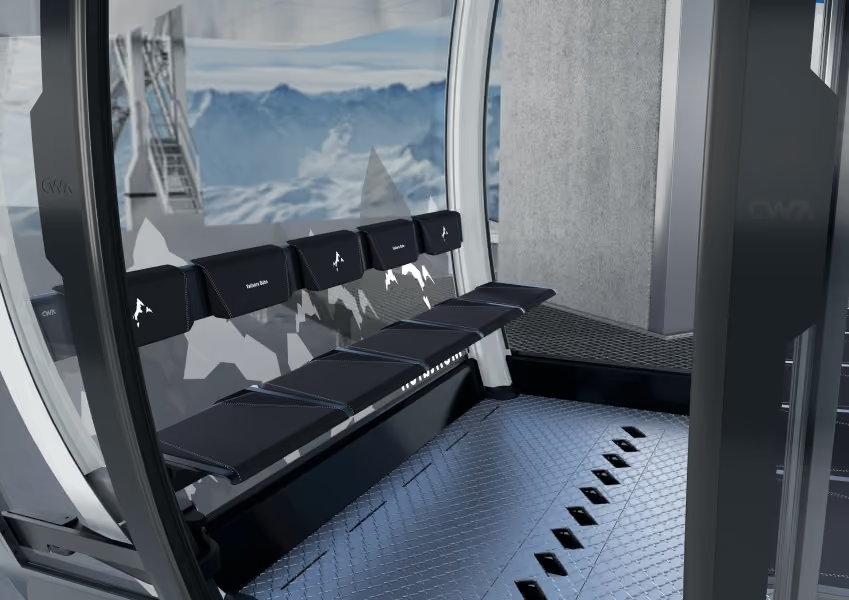
Ten persons instead of six, indoor ski holders via the TWIST-IN system, seat heating and 40 years of progress: in order to bring the far taller and wider cabins onto the given alignment without additional forest clearance, Salzmann opted for very high rope routing at the first towers. “An average residential house would fit on the foundations of some of the towers. Here we are moving above the existing trees,” the designer describes.
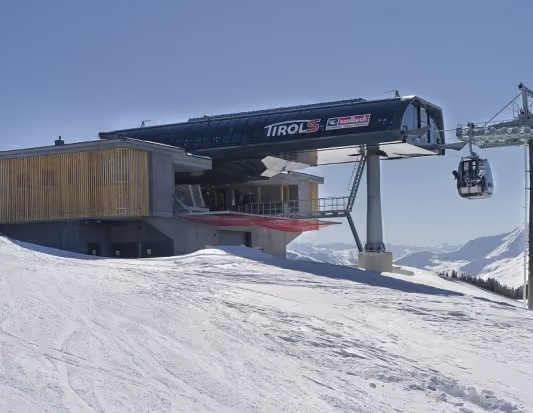
The ride in the spacious cabins ends at an altitude of 2,108 metres with the agony of choosing a piste. In the all-round redesign of the top station, Salzmann Ingenieure, in cooperation with Lang Vonier Architekten, created an optimum starting position for guests. A new mezzanine level bridges the distance to the ideal exit point directly at the height of the plateau between the Valisera Hüsli and Bella Nova. Seven metres were added for this purpose.
Productive play of sunlight and optimum reuse
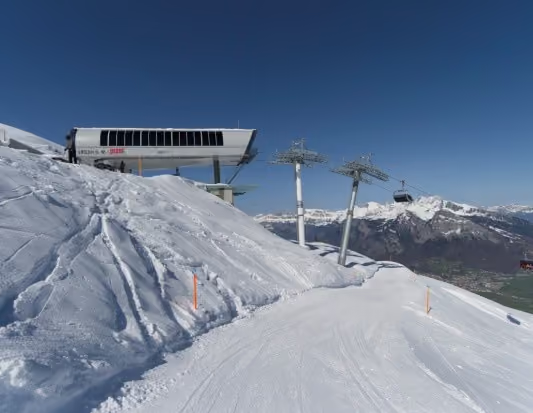
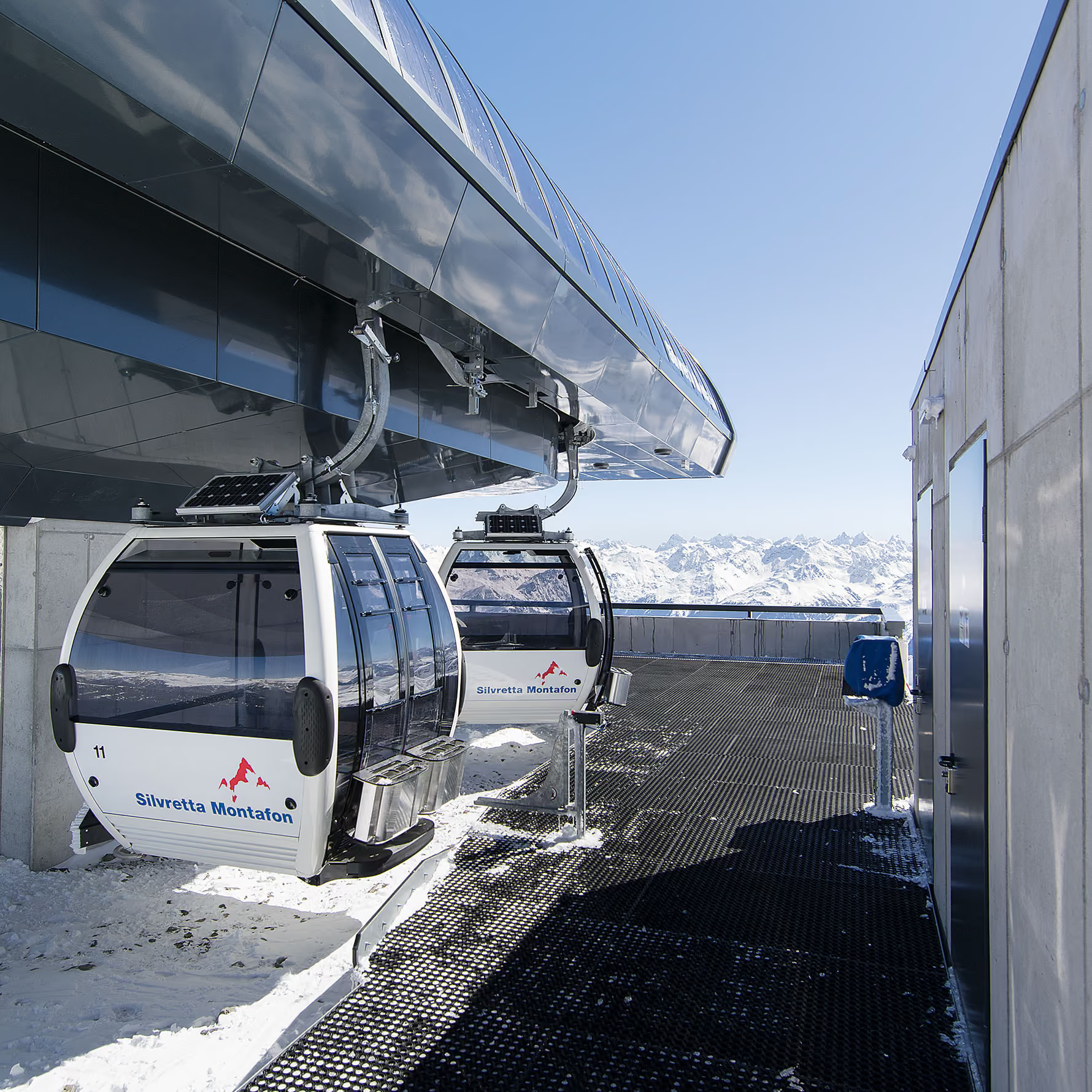
Today a hall flooded with light awaits passengers on their arrival at altitude. The impressive play of light and shadow is created by photovoltaic panels running all the way round. Where the sun mostly shines, they also incidentally provide clean electricity for operations. “Technologically, architecturally, organisationally and in energy terms the Valisera Bahn is an absolute showcase project – and every ride is a very special experience,” says a delighted Martin Oberhammer.
While the old intermediate station was completely dismantled and rebuilt in the same position, the new top station stands exactly on the walls of its predecessor. “We wanted to reuse as much as possible, and a sensible subsequent use was also found for the steel structure of the former platform hall,” says Salzmann. Since then the old building fabric has served, with a new timber façade, as a storage hall for the torrent and avalanche control service.