Gastein - investing to plan
Investing to a plan
Investing to a plan / Life-extending measures
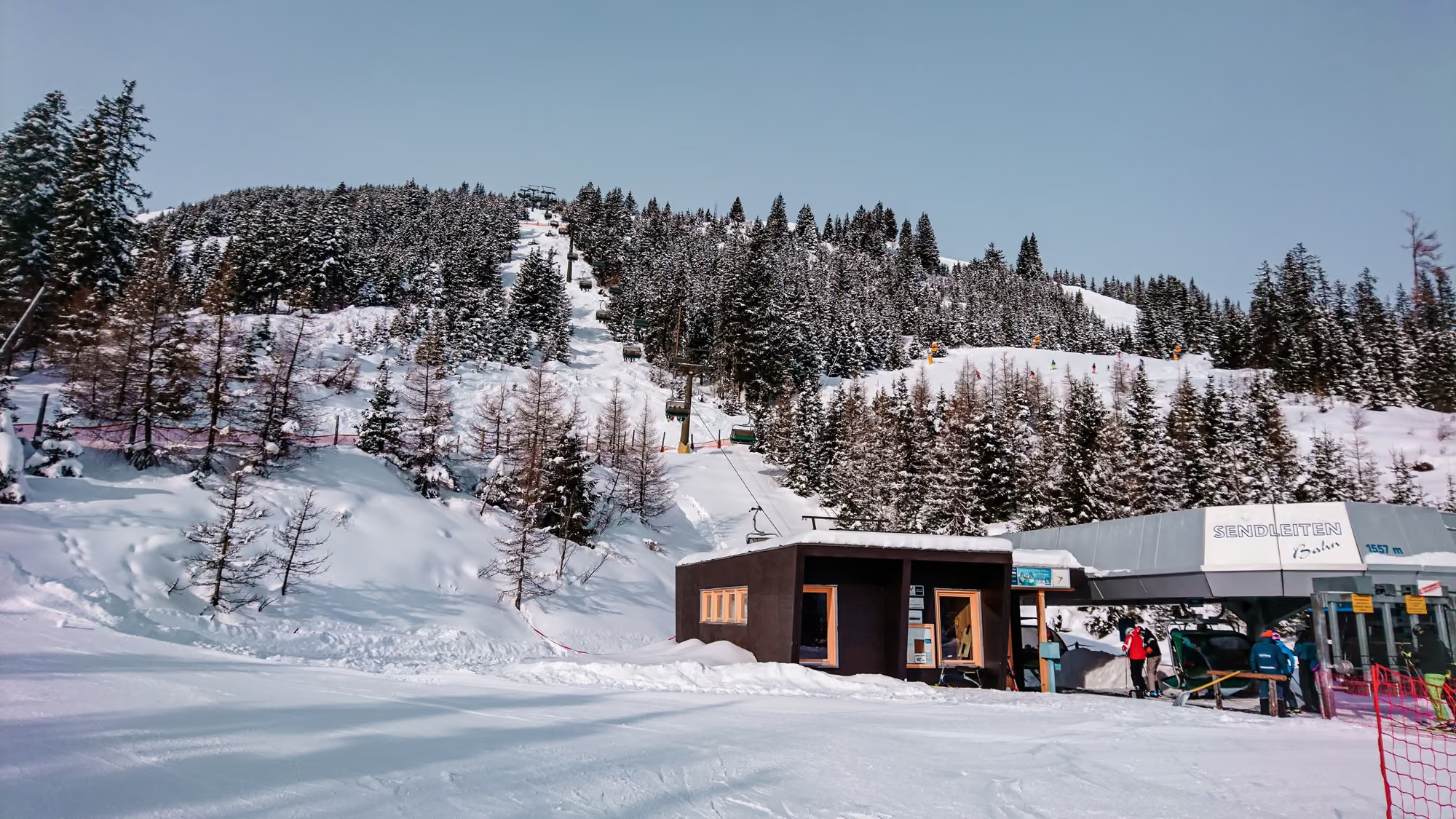
What do you do when important spare parts are simply no longer available for almost a dozen ropeways? After support for STG Steuerungstechnik products was discontinued at the end of 2019, the Gasteiner Bergbahnen faced a real challenge. On top of that, a decision was due on renewing the almost 30-year-old Sendleiten four-seater chairlift. And almost at the same time the coronavirus crisis hit tourism with full force.
For the Gasteiner Bergbahnen it was clear: we need a sound basis for the decisions ahead. They commissioned Salzmann Ingenieure to draw up a master plan for the ski area and a risk analysis for the STG control systems. For the Sendleitenbahn, the Bregenz engineering firm examined a series of variants. The result: savings running into millions and a clear prioritisation of the investments ahead.
Initial situation
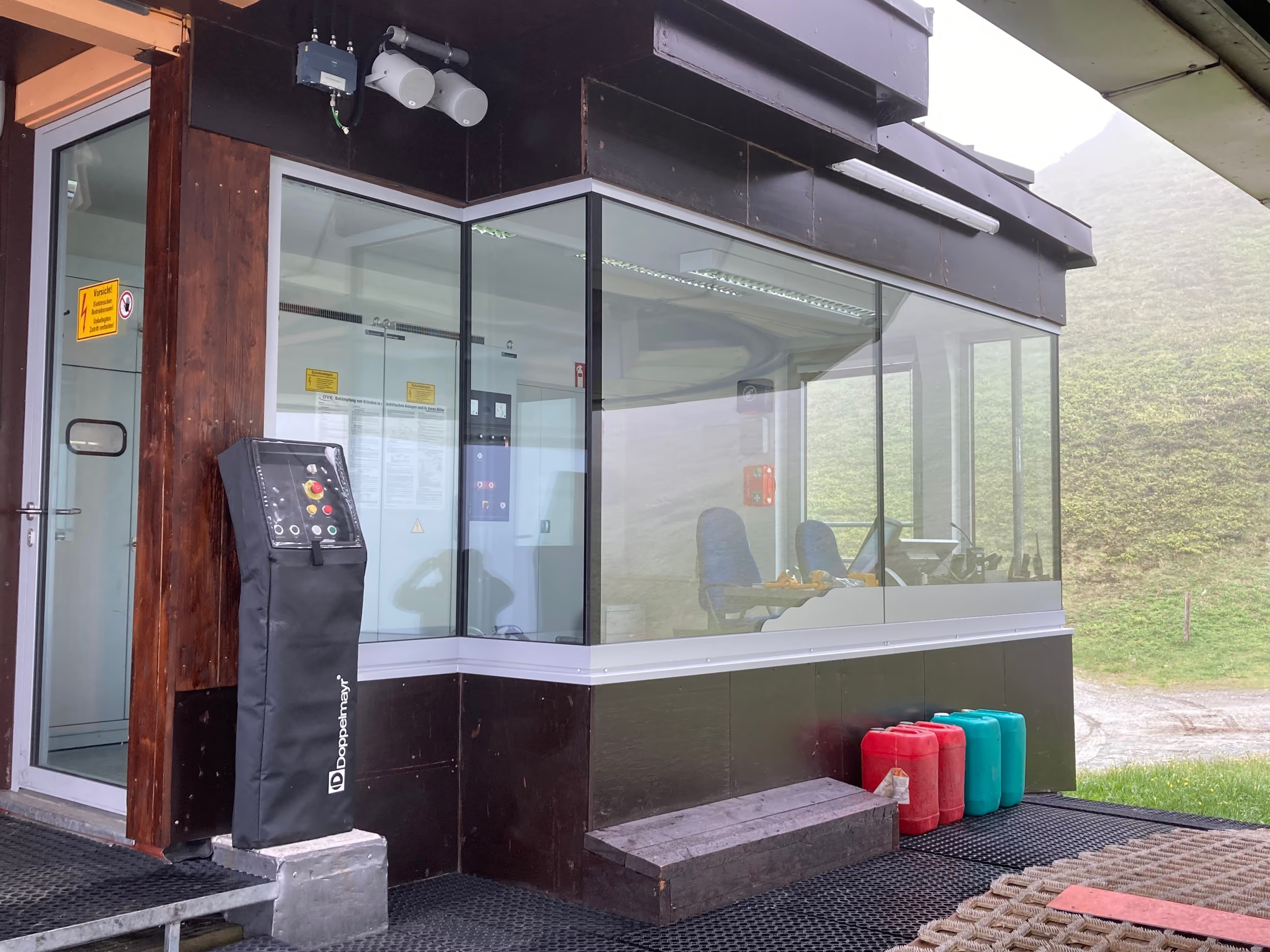
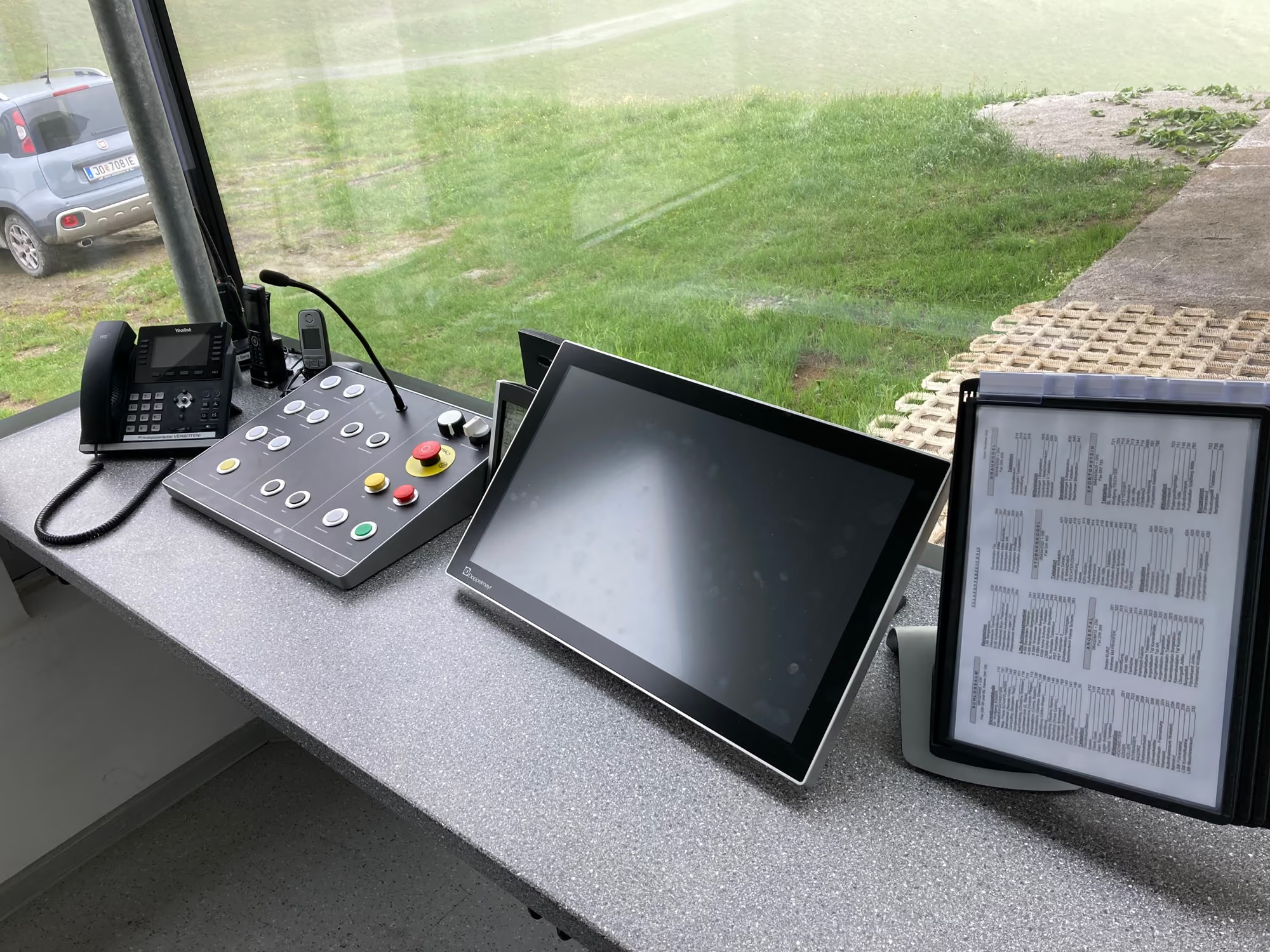
Half of the 22 lifts in the Gastein ski area are equipped with control systems from STG. After the company closed, Doppelmayr continued to carry out maintenance for years, but when the last STG technician also retired at the end of 2019, that was finally the end of it. Obtaining spare parts became ever more difficult. In some cases the lift company had to source used spare parts – an untenable situation.
Replacing the control systems immediately on all eleven affected installations would have meant investing several million euros in the older lifts. That was out of the question for the Gasteiner Bergbahnen. After all, some of the installations were due to be renewed over the next few years anyway. On the other hand, the company could not and did not want to risk important lifts failing during the season.
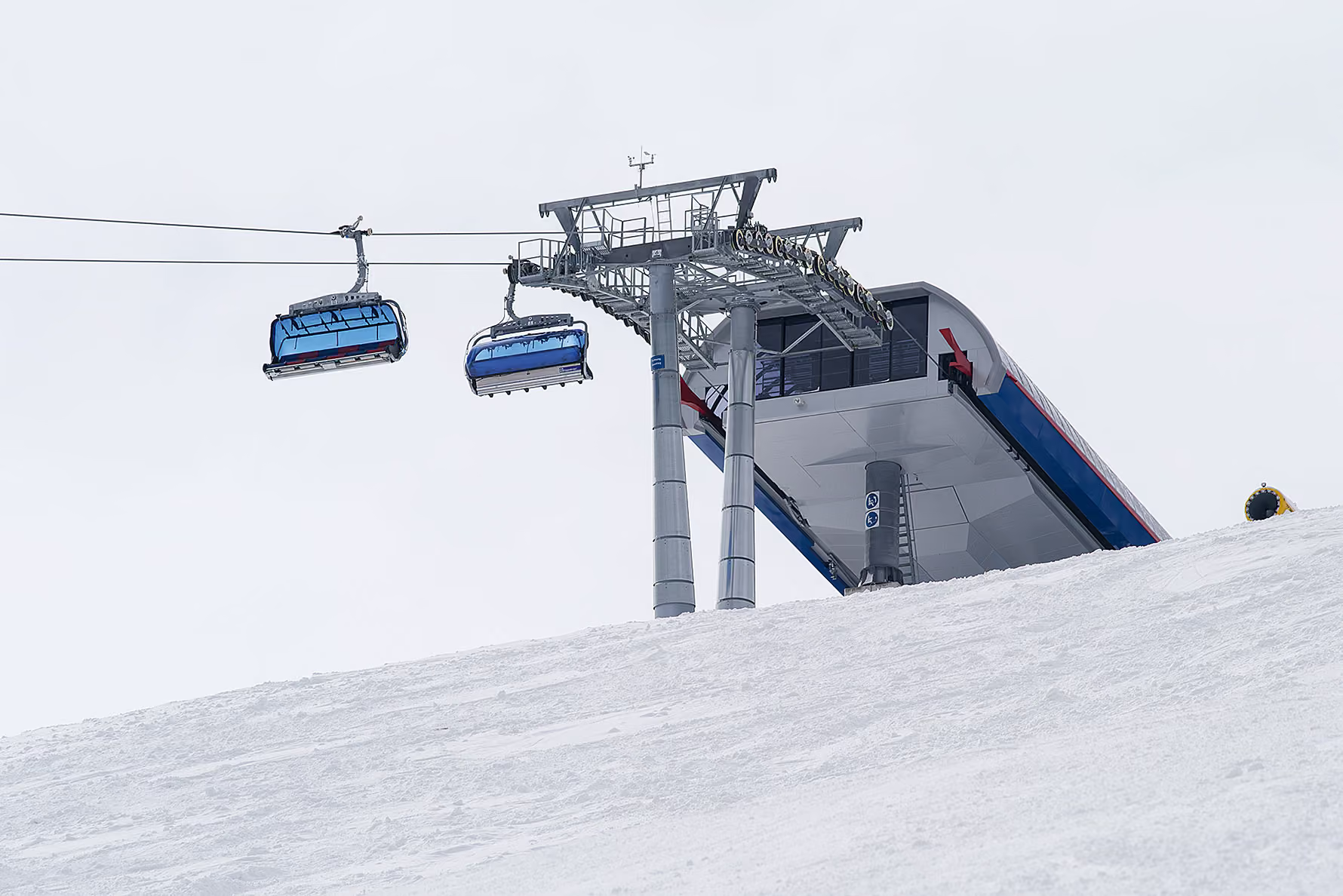
Many questions also arose about the further development of the ski area as a whole. Two years earlier, the Gasteiner Bergbahnen had invested 70 million euros in the new Schlossalmbahn. For 2020, the construction of a new eight-seater chairlift on the existing alignment of the Sendleitenbahn was already planned. Cost: 15 million euros.
And then came coronavirus.
“We would certainly have questioned the investments ahead in any case. Coronavirus accelerated that. The crisis forced us to look more closely,” emphasises Wolfgang Egger, member of the executive board of the Gasteiner Bergbahnen. “We wanted transparency and a basis for decisions that can be followed. After all, that is what we also demand of our managers.”
A master plan with clear priorities
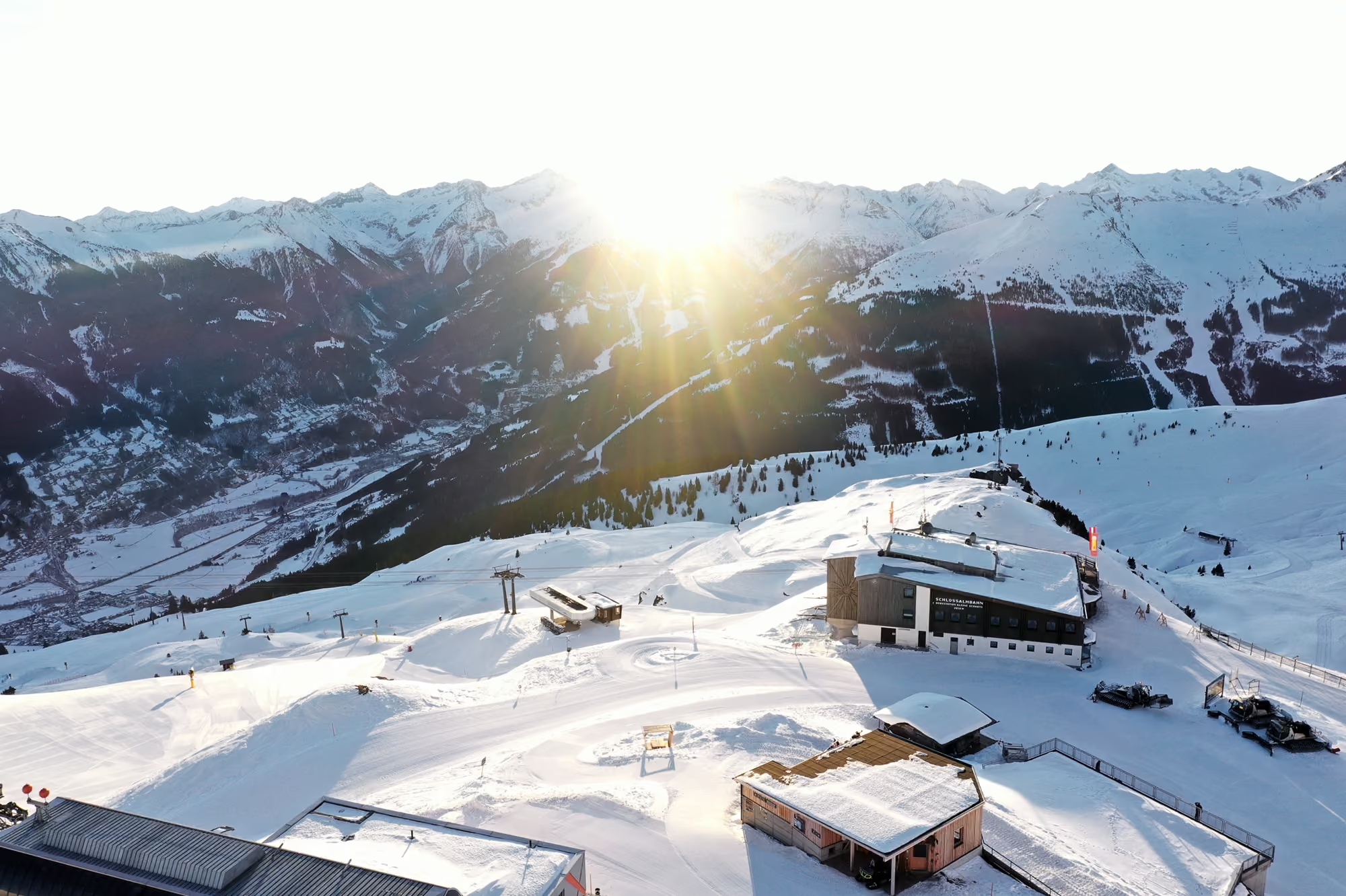
Egger brought Salzmann Ingenieure on board. The Gasteiner Bergbahnen have a long-standing working relationship with the Bregenz design firm. The Bregenz ropeway planners began by drawing up a master plan for the two sub-areas Schlossalm and Stubnerkogel. “The Gasteiner Bergbahnen have a wealth of internal ideas for projects. Our job was, on the one hand, to examine the projects for feasibility, assess them and structure them, and on the other hand to contribute our external professional perspective,” says Managing Director Stephan Salzmann.
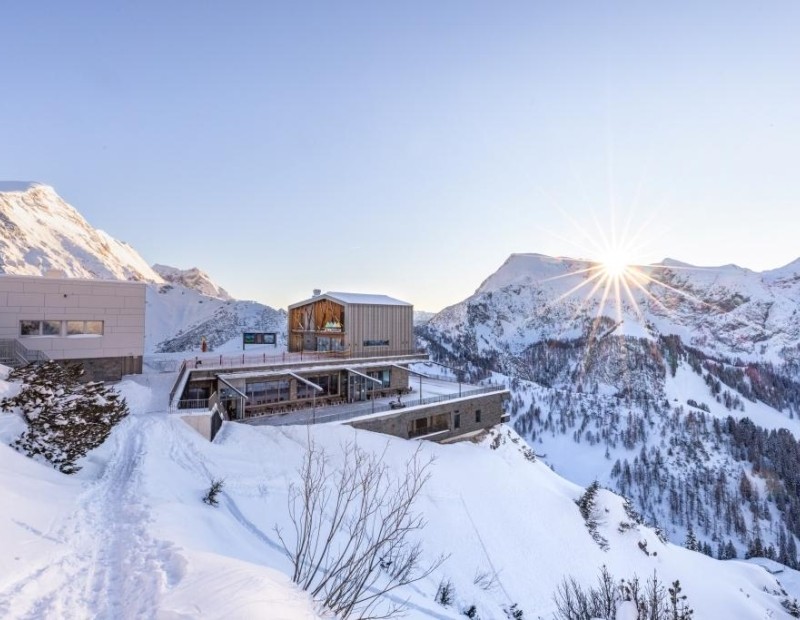
Over several site inspections and meetings, the potential for improvement was analysed in detail. On this basis a preliminary study was produced with several variants of ropeway and piste projects. “We examined every single lift in detail: age of the installation, capacity, comfort, the pistes available, its integration into the skiers’ main routes,” Salzmann explains. “Ultimately the question was: how would you build this installation today?” The Bregenz planners also developed a station concept for every single station.
Project ideas that were not feasible were eliminated. Once all the projects were available, Salzmann worked out a prioritisation together with the Gasteiner Bergbahnen. Board member Wolfgang Egger is convinced of the value of such an analysis: “If we build a station in the wrong place today, it will stand there for the next 35 years. We have learned that we have to keep examining variants in order to find the best option.”
Retrofit as the best solution
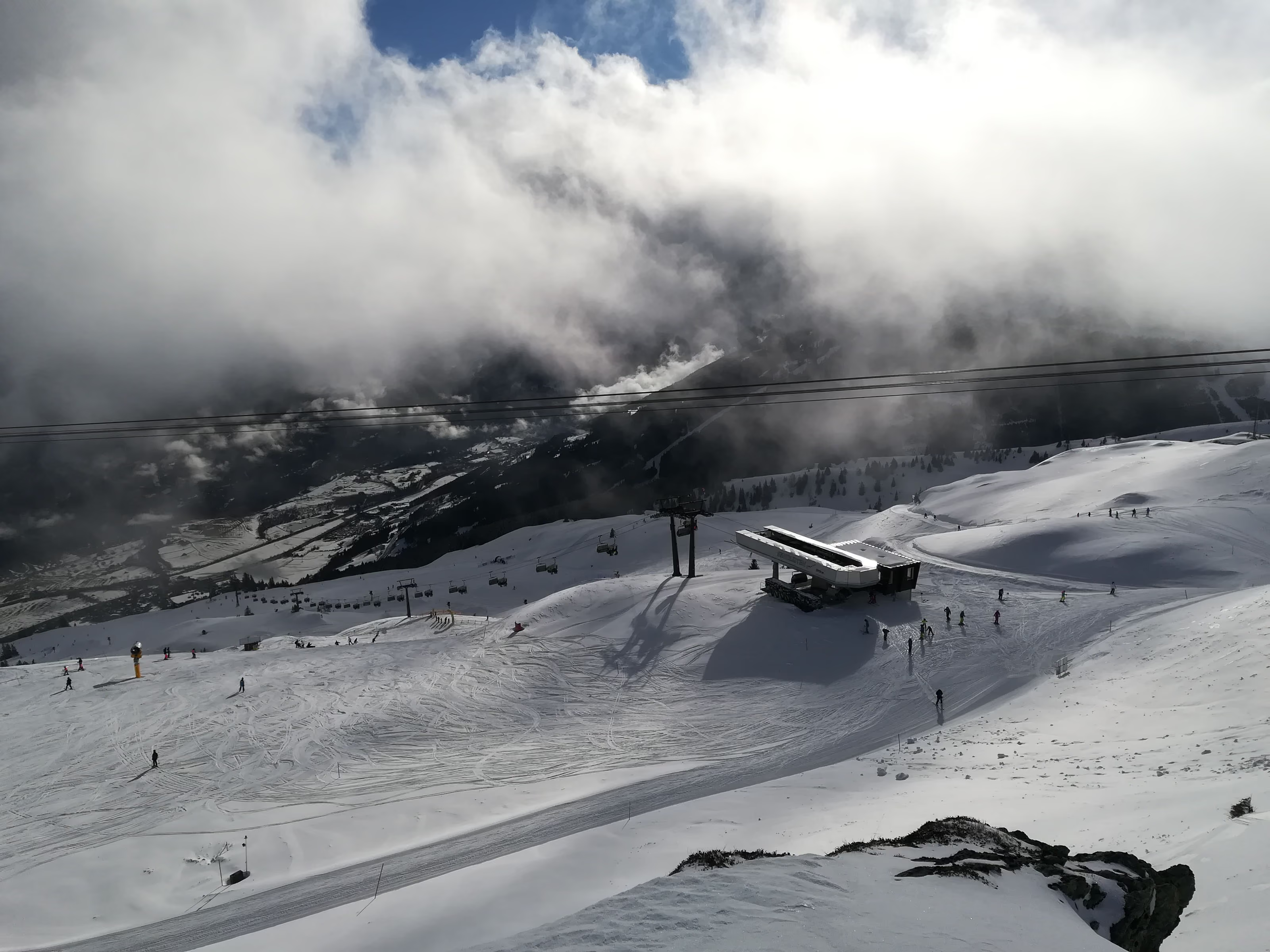
That is exactly what the Gasteiner Bergbahnen did for the Sendleiten four-seater chairlift as well. Its renewal on the existing alignment had already been approved as part of the environmental impact assessment for the Schlossalmbahn. But the expected rise in passenger numbers after the Schlossalmbahn entered service did not materialise. “In the first two winters we saw that guests on the new pistes often ski straight down to the valley instead of branching off halfway to the Sendleitenbahn,” says board member Wolfgang Egger.
The 15-million-euro investment therefore had to be put to the test. Salzmann Ingenieure examined five variants – from continued short-term operation for a few years without investment and a retrofit concept through to replacement with a four-, six- or eight-seater chairlift.
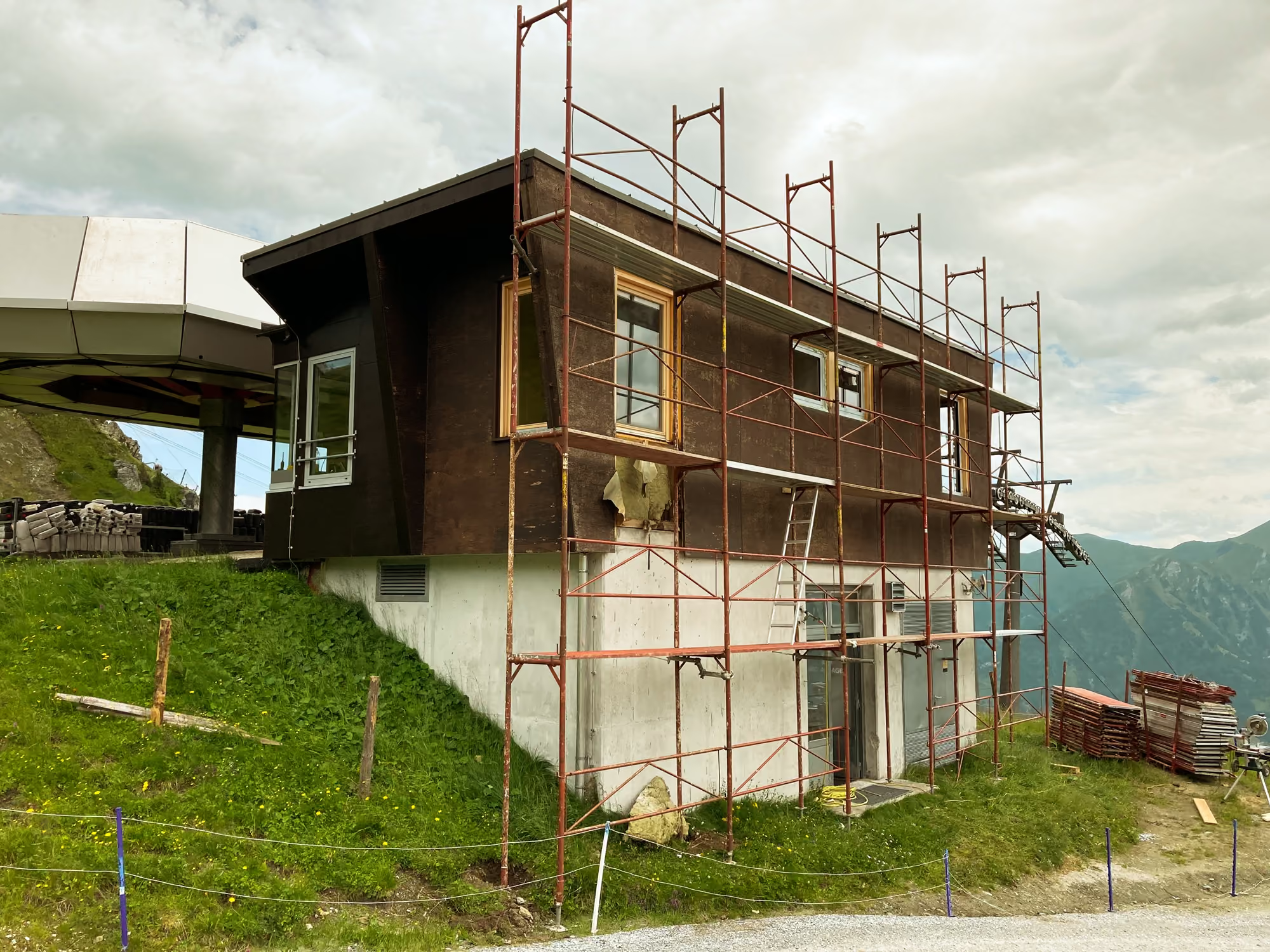
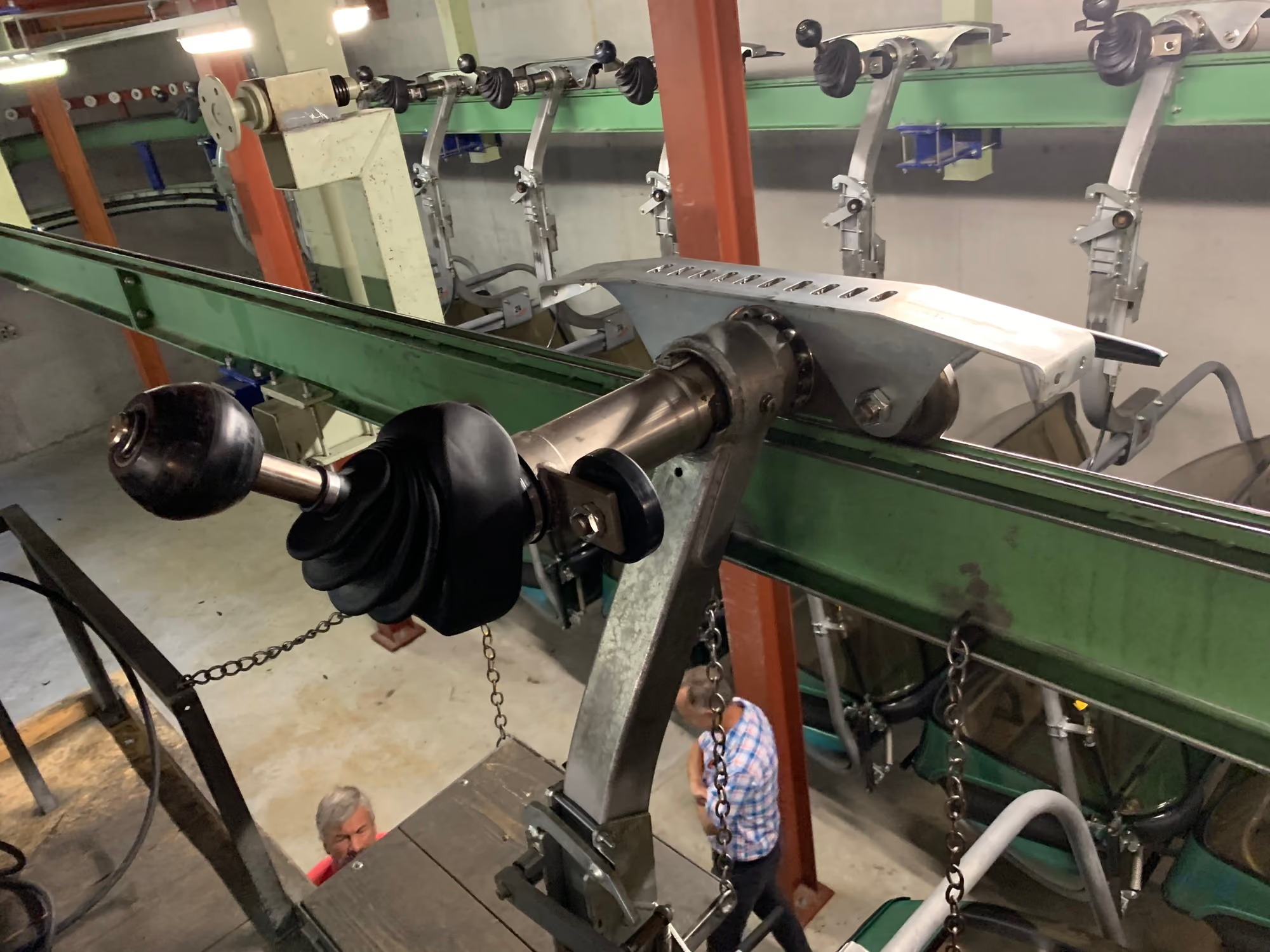
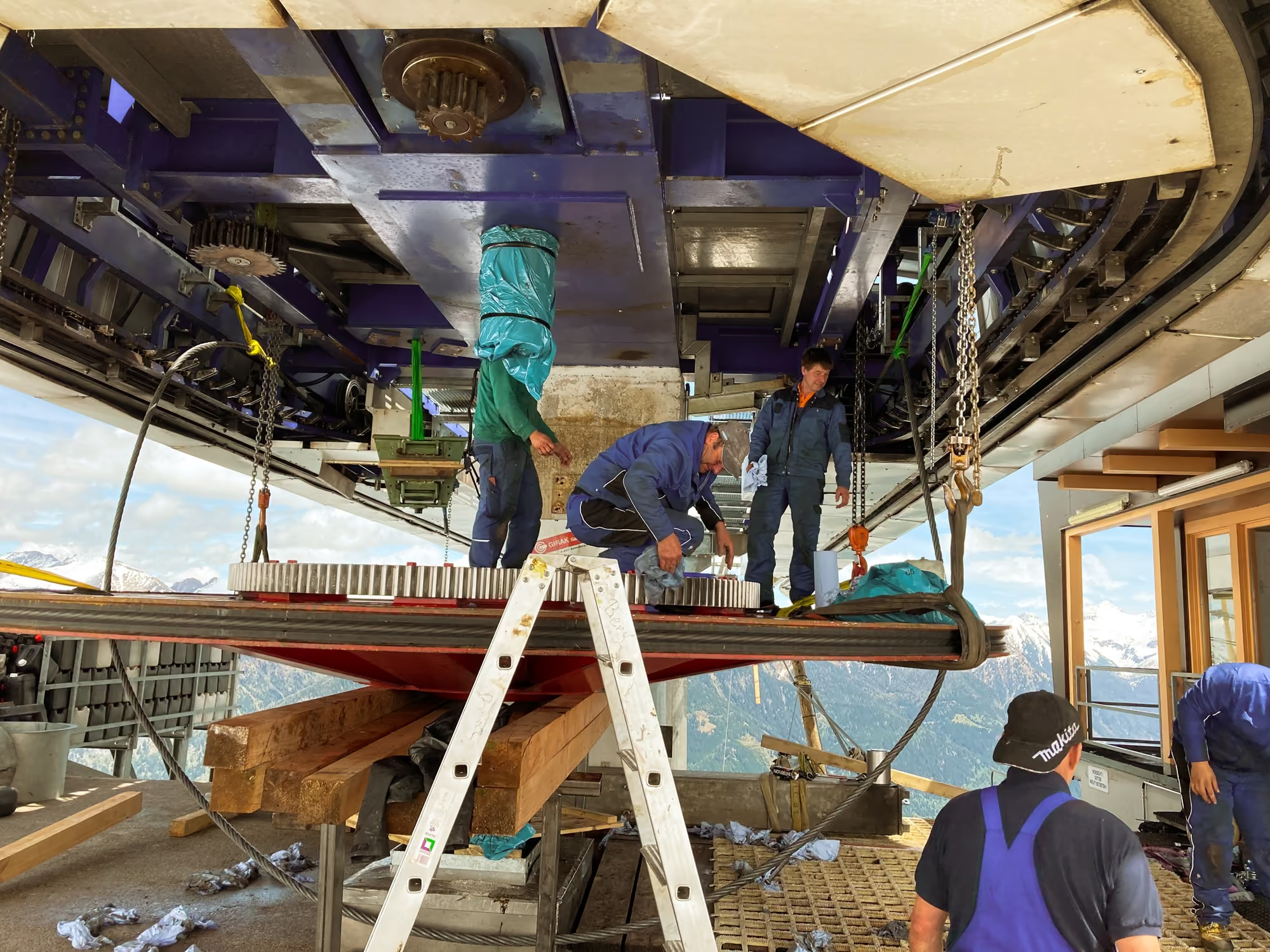
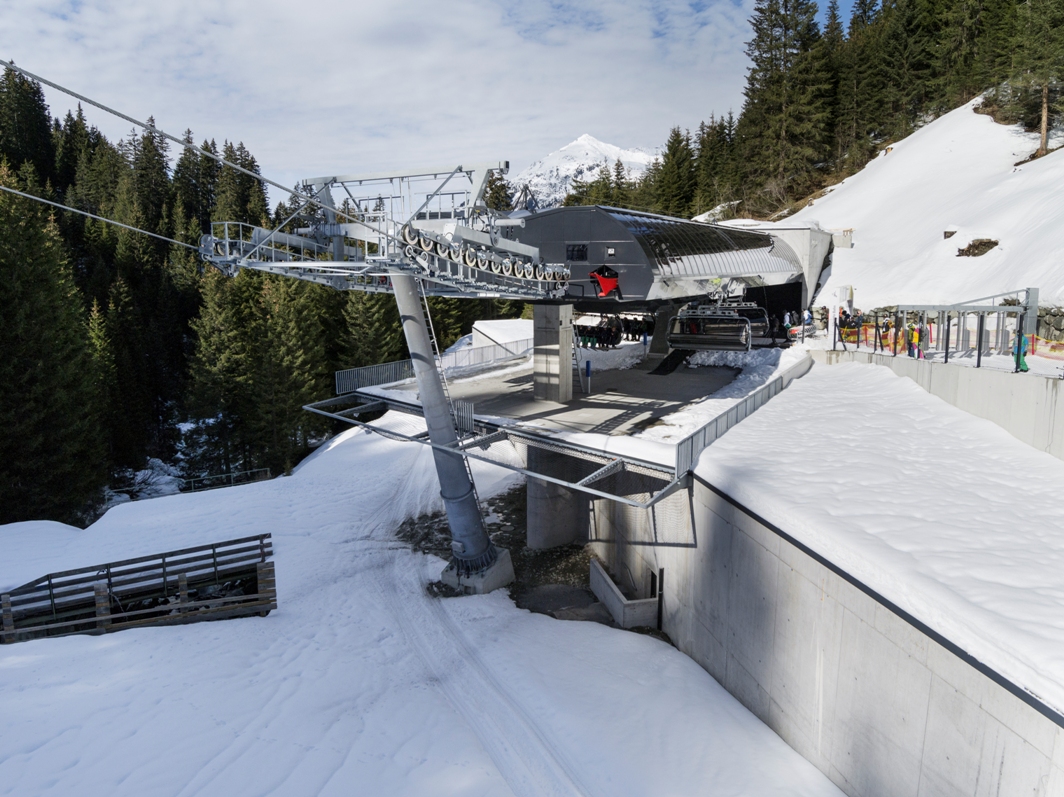
Weighing up costs and benefits finally produced a clear decision in favour of a retrofit of the existing lift. Assemblies that were at their wear limit or for which spare parts were no longer available were replaced. In this way the lift was made fit for operation until the general overhaul in 2032.
“With the retrofit study we made the best of the situation. With the refurbishment for 1.4 million euros we found an inexpensive medium-term solution for the Sendleitenbahn,” says Christian Hochreiter, technical manager for the Bad Hofgastein area, with conviction. “A new build will probably follow in the long term; the permits are already in place.”

Member of the Executive Board, Gasteiner Bergbahnen AG
Limiting risk and expenditure
The first step towards replacing the STG control systems was a risk analysis: together with those responsible for operations, the Salzmann Ingenieure team recorded the condition of the control systems. Those involved estimated the probability of possible defects occurring and researched the availability of spare parts. Salzmann Ingenieure also factored into their analysis the consequences for the ski area of a failure of the respective lift.
Here, too, the result was a clear prioritisation. Up to 2023, between 400,000 and 800,000 euros a year are to be invested in renewing the control systems. “This allows the installations to continue in operation with reasonable expenditure, and at the same time we were able to limit the risk to operations,” says a pleased Stephan Salzmann.
Board member Wolfgang Egger is “convinced that, as with the piste machines, there will also be a significant extension of service life for the lifts. As we all know, we can only spend every euro once – and we have to use it to best effect for the benefit of our guests.”
The magazine SI Seilbahnen International has reported on this. The report can be found HERE.