10EUB Jennerbahn
Jennerbahn Berchtesgaden
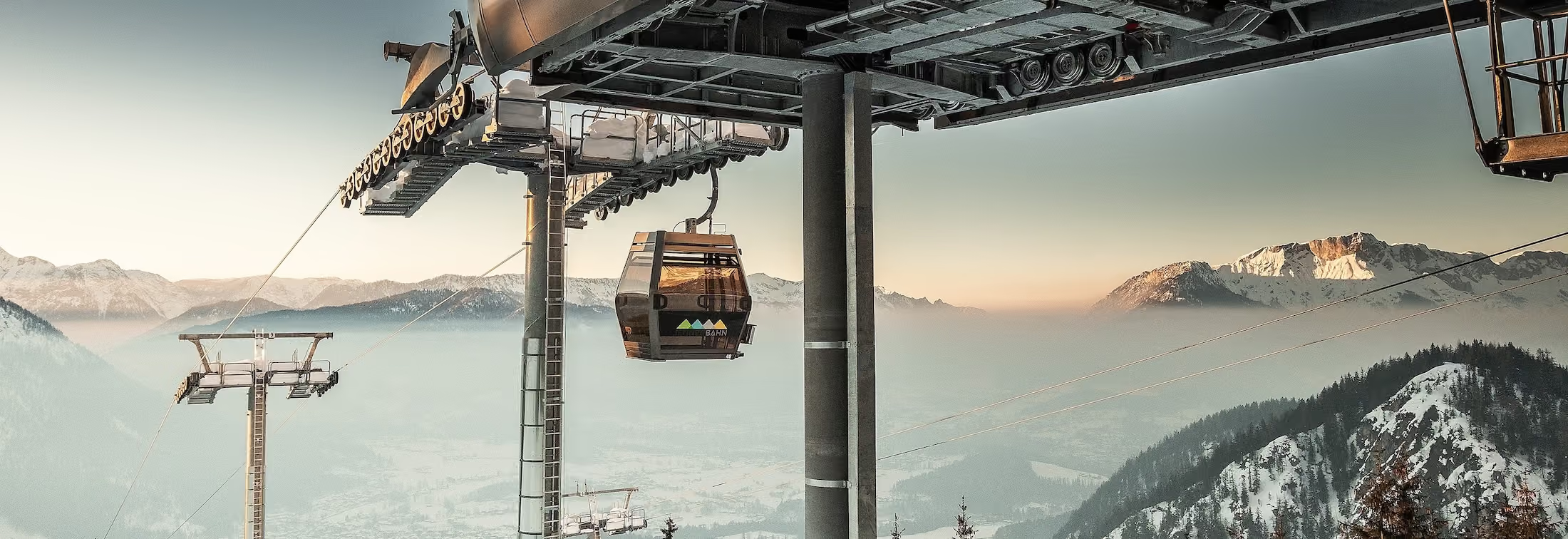
True experts for the Jenner
Unspoilt nature and a magnificent view of Lake Königssee make the Jenner near Berchtesgaden a tourist attraction. Yet that was precisely what made the construction of the new ropeways such a challenge: objections from conservationists and strict imposed conditions called for perseverance, expertise and additional investment.
“True experts head for the Jenner” is a well-known slogan for this fairly demanding ski area. Following the modernisation of the entire area, it is fair to say: the Jenner needs true experts. They skilfully brought the renewal of the ropeways to a successful conclusion.
Initial situation
With one million visitors a year, Lake Königssee is one of Germany’s largest tourist attractions. The bottom station of the Jennerbahn lies idyllically almost on the shore. From 1953, a two-person gondola lift ran in two sections to the mid station at 1,200 metres above sea level and from there to the top station at 1,800 metres. Its capacity of 500 persons per hour was nowhere near sufficient: in summer and winter alike, long queues formed at the bottom station.
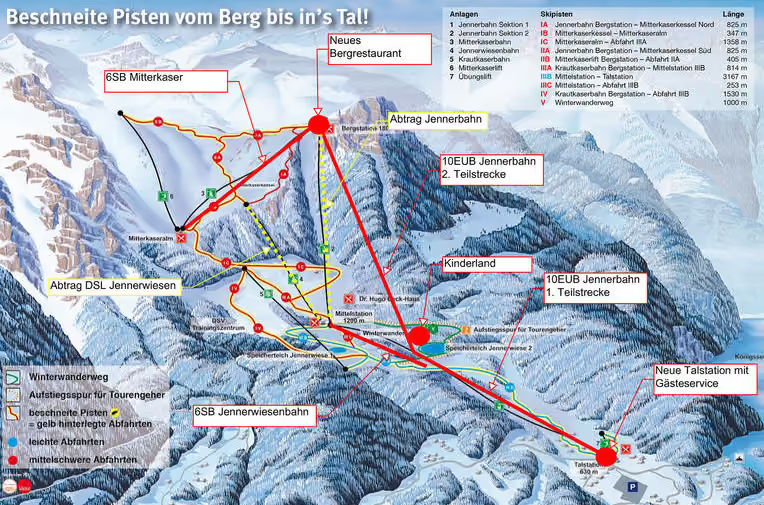
Three chairlifts complemented the offering in this partly steep and demanding ski area: the Mitterkaserbahn, a two-seater chairlift dating from 1980, the Krautkaserbahn (built in 2013) and the Jennerwiesenbahn (built in 1986).
Waking from a Sleeping Beauty slumber
“Although Berchtesgaden has such a long tourism history, the whole area lay in a Sleeping Beauty slumber,” recalls ropeway planner Stephan Salzmann. Yet despite its location on Lake Königssee, no prince came along for a long time to wake it with a kiss.
Peter Hettegger, a tourism entrepreneur from the Pongau region, recognised the potential of the area, which is highly attractive in both summer and winter, and decided to invest. In 2010, Hettegger’s family business first built the four-star superior Hotel Edelweiss in Berchtesgaden. Local hoteliers followed suit, and the number and quality of beds increased. Hettegger subsequently took over the running of the mountain lift company as well, together with project developer Martin Harlander and construction entrepreneur Georg Hinterleitner.
System type
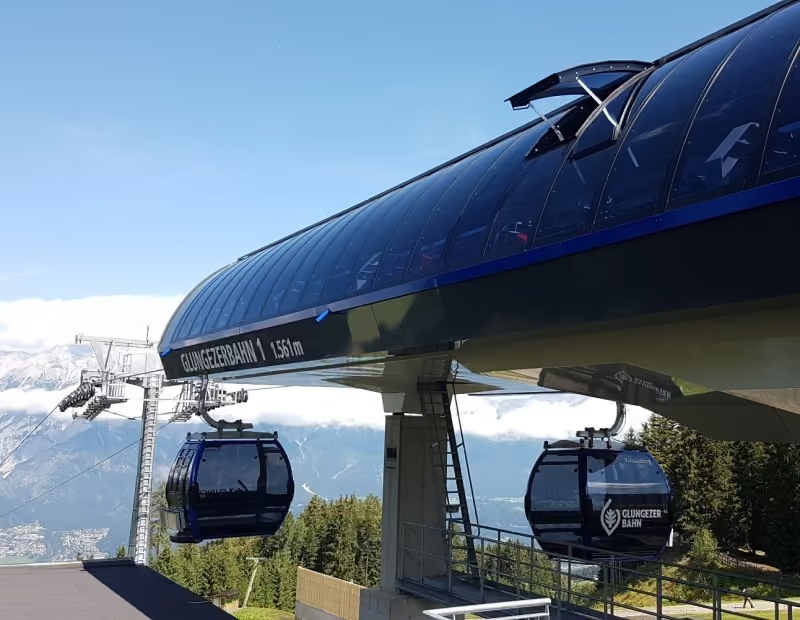
10-passenger gondola lift
Length
1,720 + 1,218 metres
Vertical rise
556 + 600 metres
Capacity
1,600 persons/h
Max. line speed
6 m/s
Number of cabins
33 + 27
Number of towers
10 + 9
Manufacturer
Leitner Ropeways
Protecting and enjoying nature
Planning for the renewal of the installations began in 2015. AEP Planung und Beratung GmbH from Schwaz drew up the plans for the piste adjustments, the construction road and snowmaking. Salzmann Ingenieure from Bregenz took on the design of the ropeways. The particular difficulty: the ski and hiking area juts like a wedge right into the middle of the nature reserve.
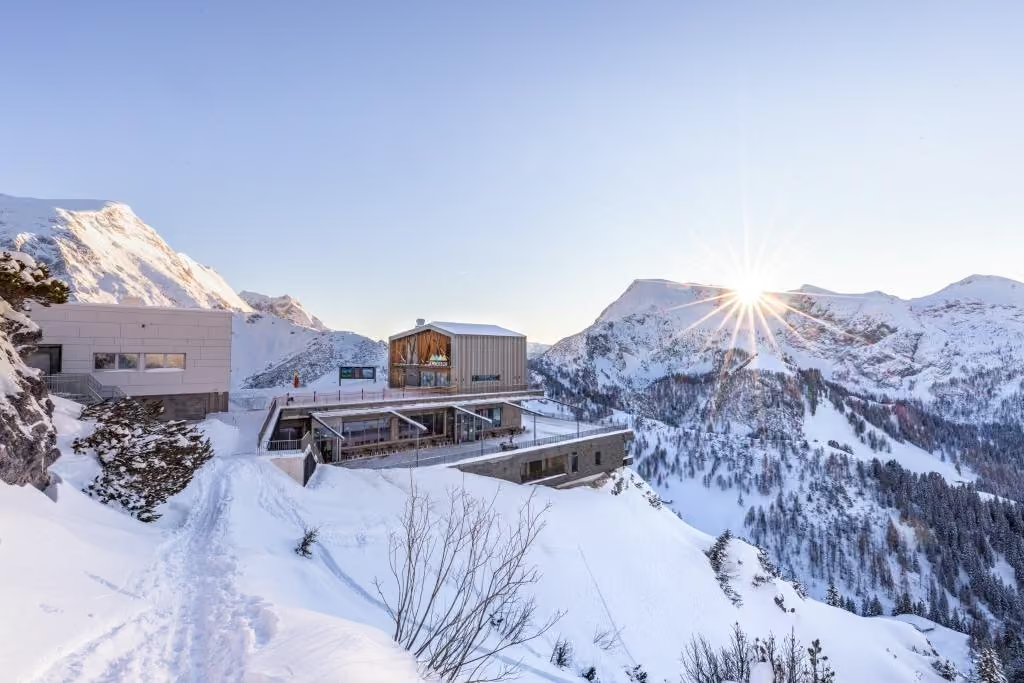
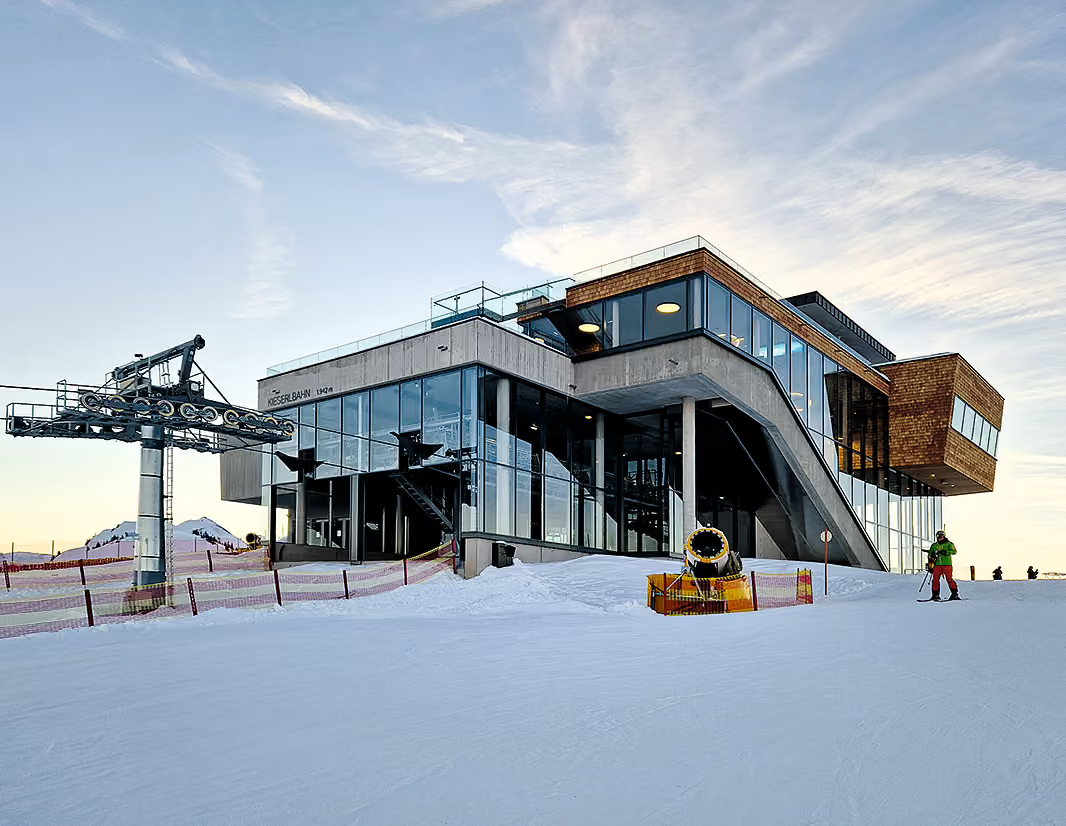
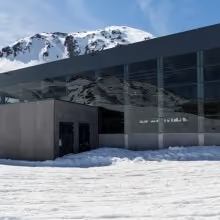
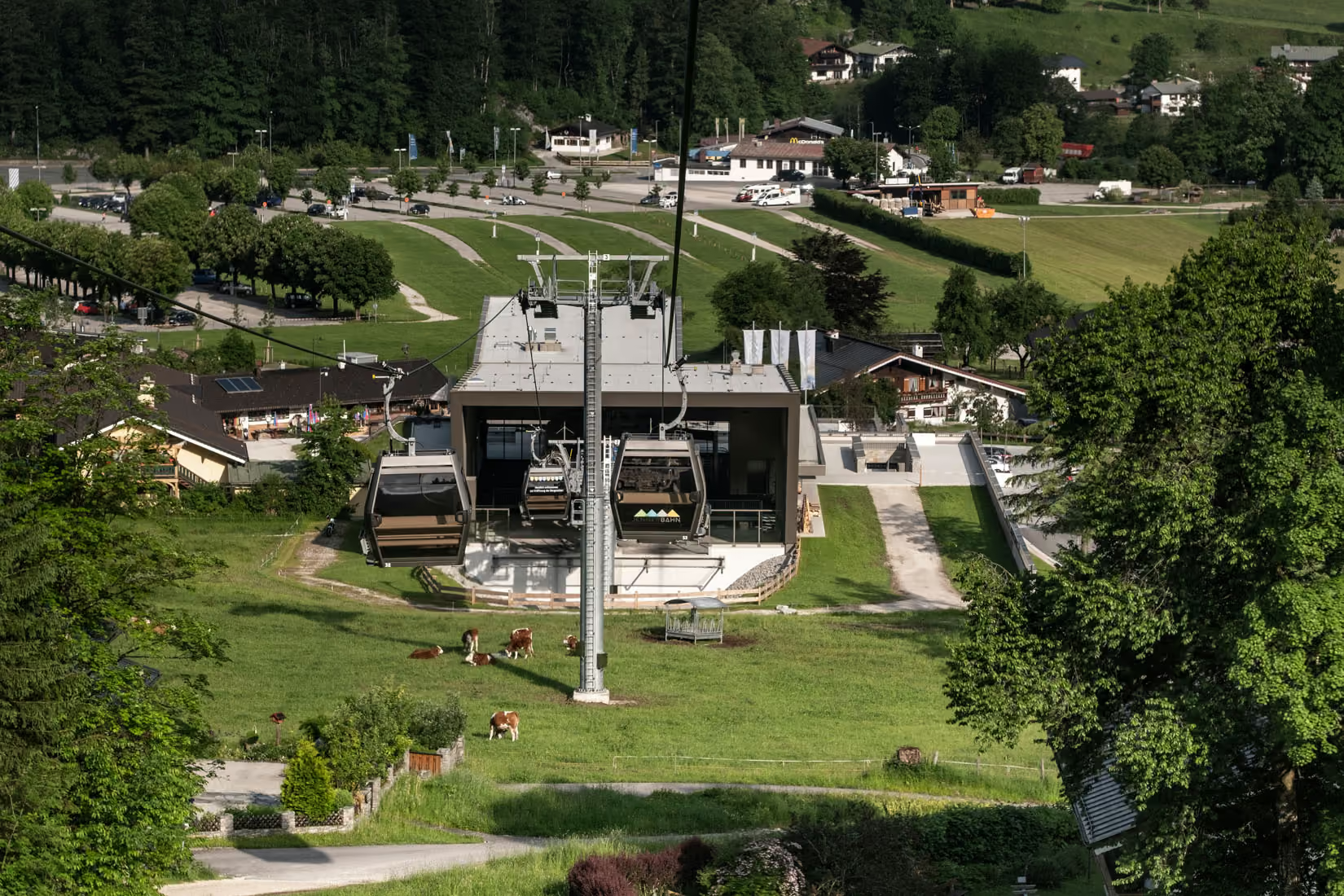
So how could a significant increase in visitor numbers be achieved? For the new construction of both sections of the Jennerbahn and of the Mitterkaserbahn, Salzmann Ingenieure retained the existing alignment, thereby meeting an urgent request from the nature conservation organisations. The Jennerwiesenbahn was designed to make optimum use of the flatter piste area near the mid station, creating a good offering for beginners and families. The new, considerably larger station buildings were in part built directly into the slope and so integrated optimally into the impressive landscape. Büro Harlander was responsible for the architecture.
A wide range of uses
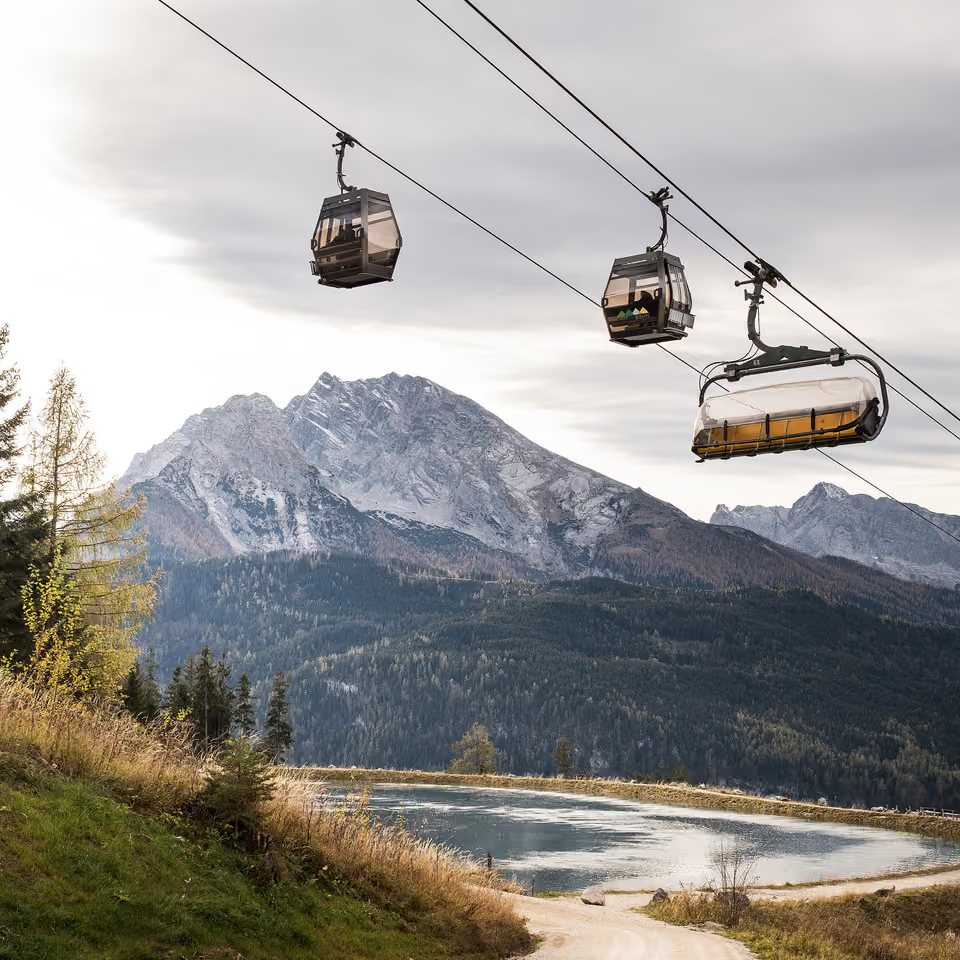
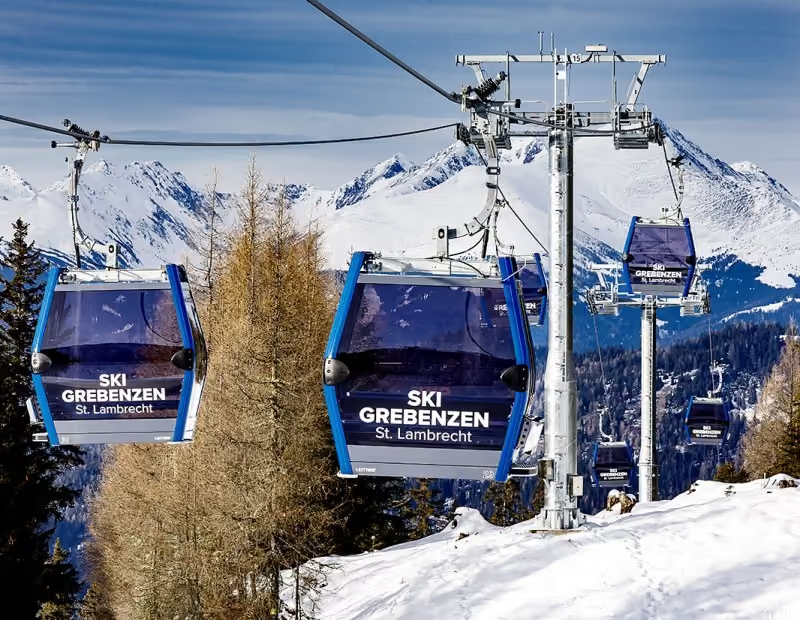
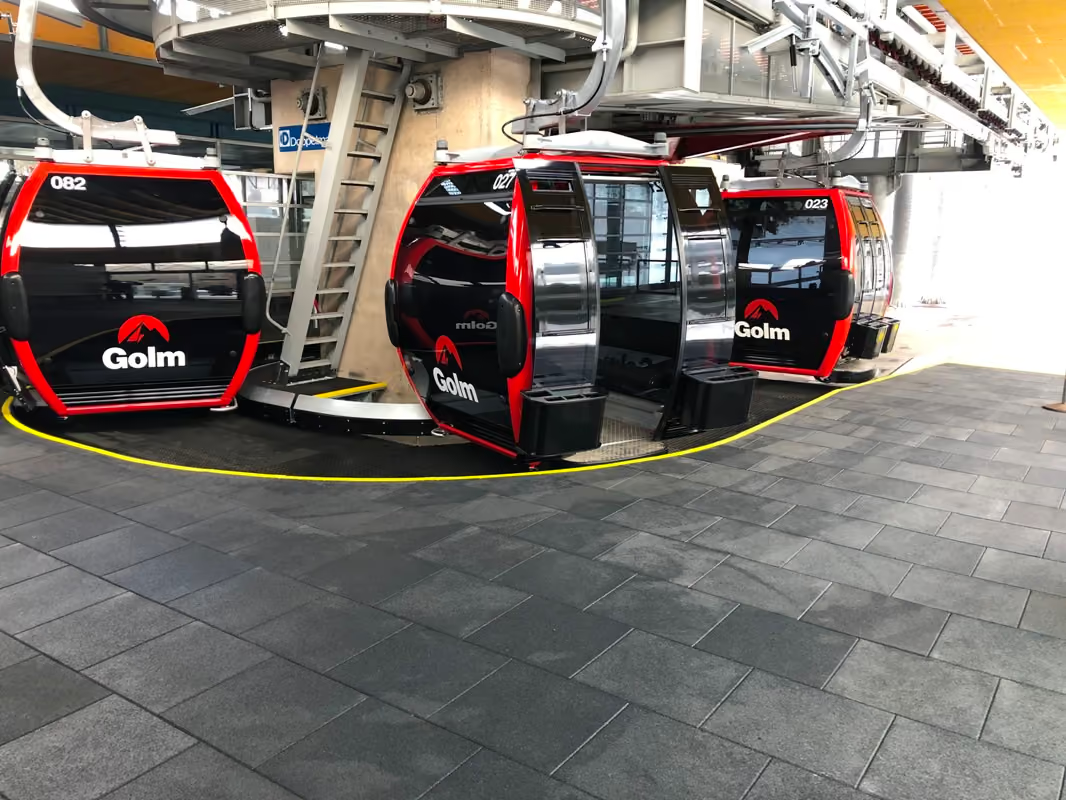
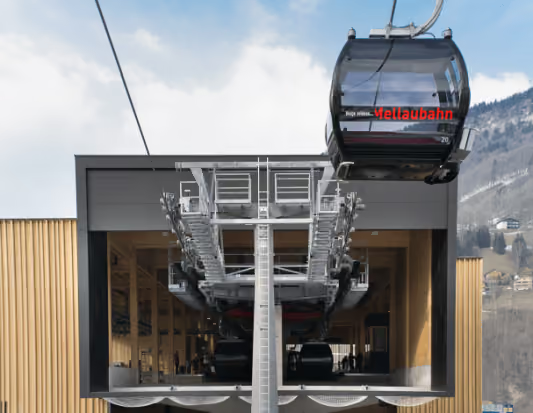
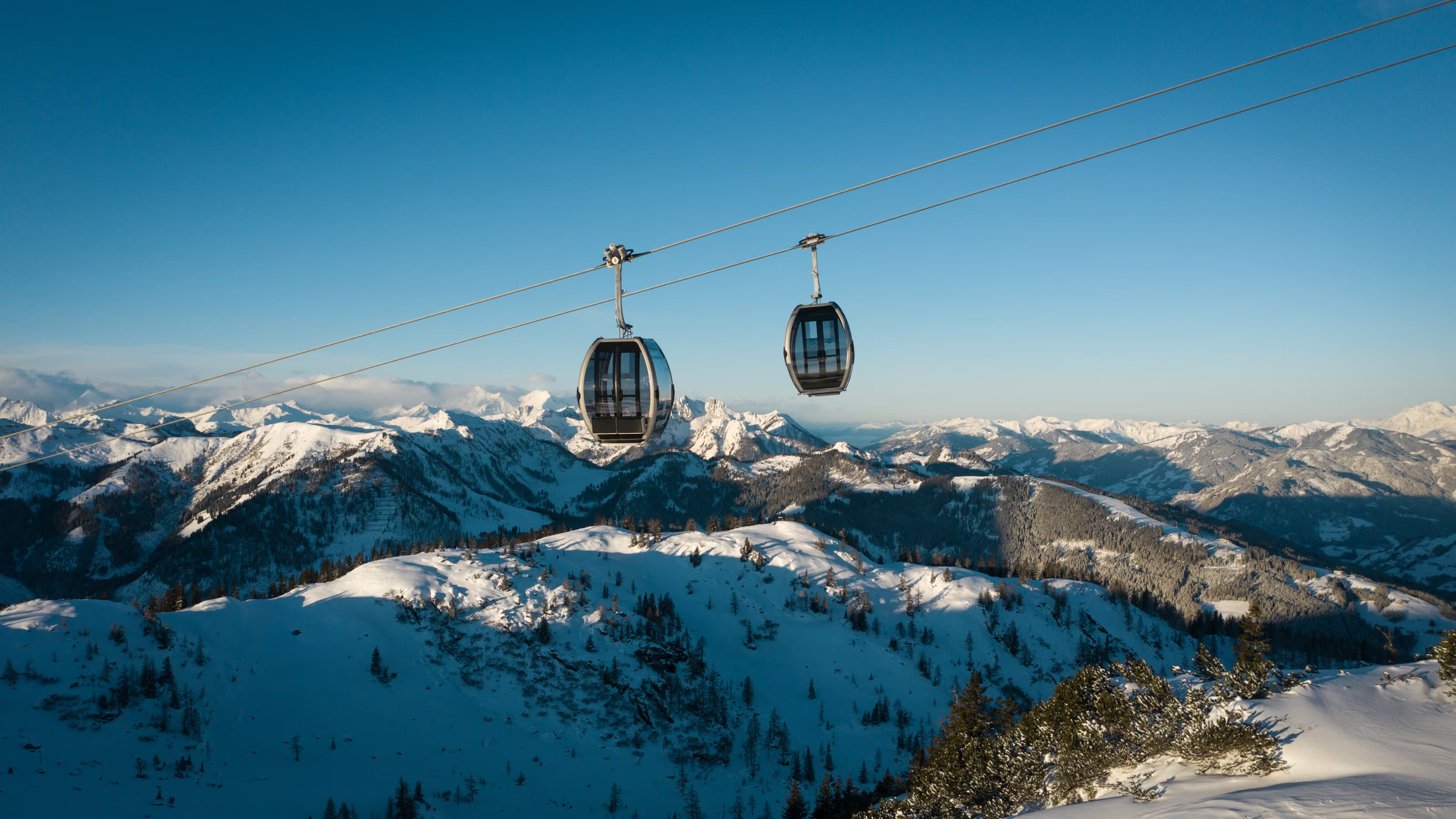
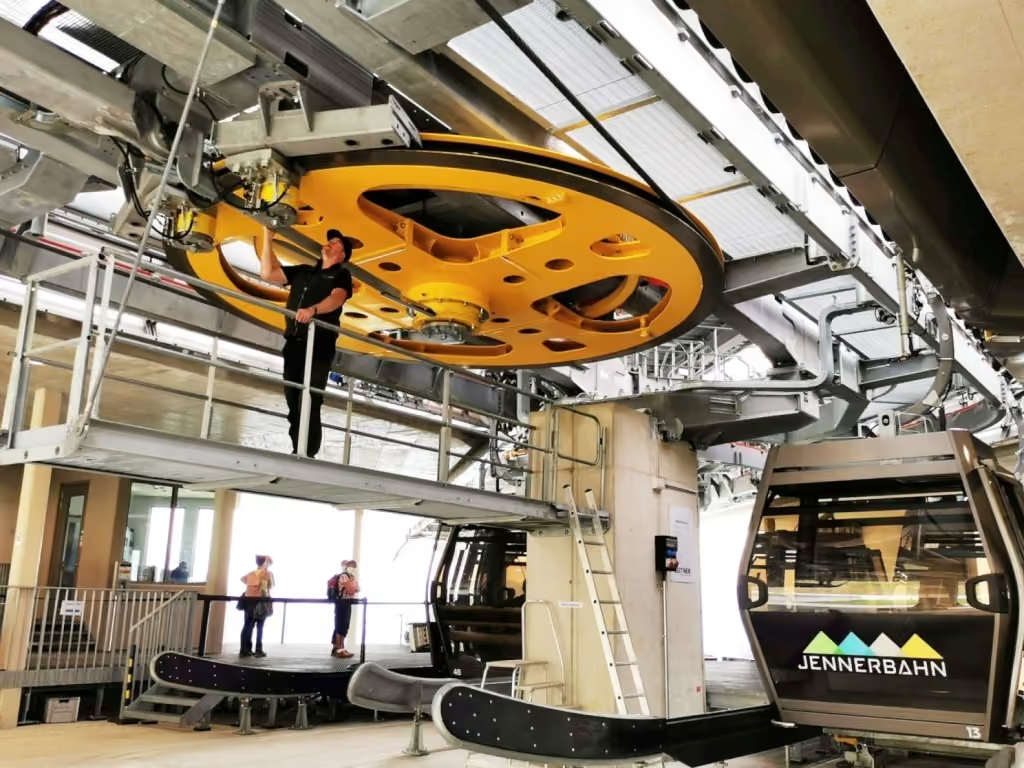
Today the new Jennerbahn carries 1,600 persons per hour up the mountain, more than three times as many as before. Its cabins hold ten people and offer ample room for prams, bicycles and wheelchairs. A special carrier also allows hang-gliders to be transported.
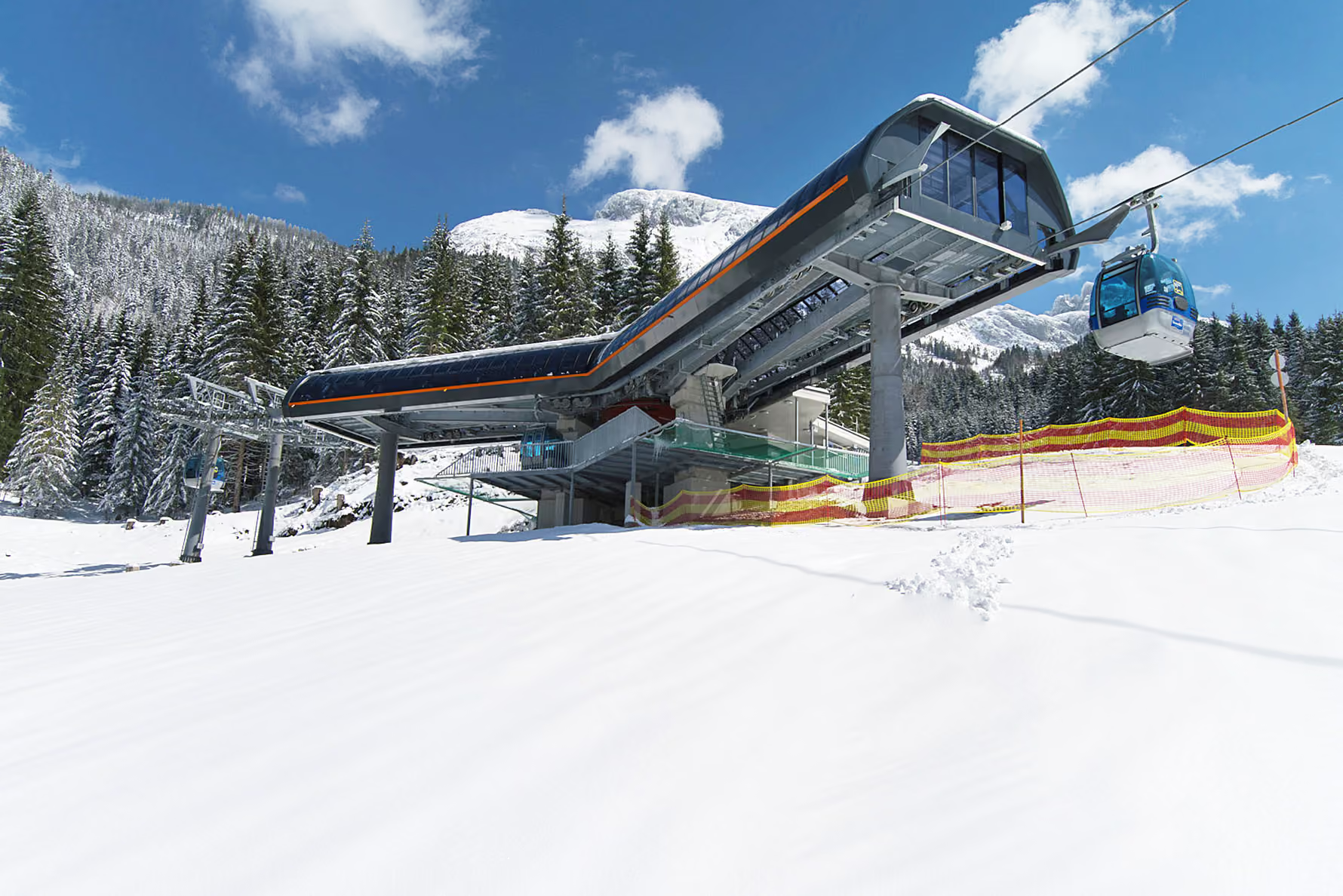
For carrier storage, Salzmann Ingenieure found a solution together with Leitner Ropeways that allows great flexibility in operation: storage is space-saving and easy on the landscape, combining a basement garage and station storage at the mid station. The bottom station likewise houses station storage for half of the carriers of the first section. Each section can be taken into and out of service separately. The spacious, architecturally exceptional bottom station also accommodates an office, ski depot, ticket office and shop.
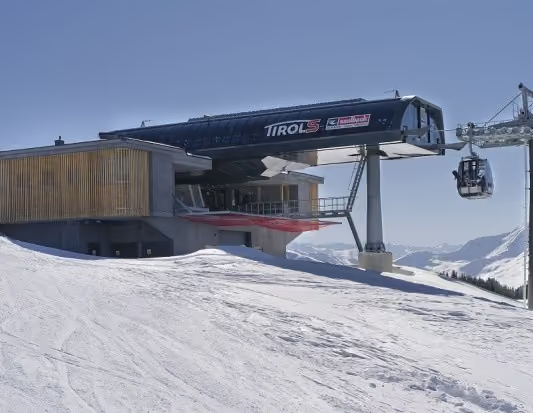
The new top station houses a restaurant seating 250. The imposing viewing terrace provides room for a further 450 guests. Seminar rooms are suited to corporate workshops, and a wedding hall makes the Jenner an ideal wedding venue. Here the owners’ expertise in tourism, hospitality and architecture came into its own.
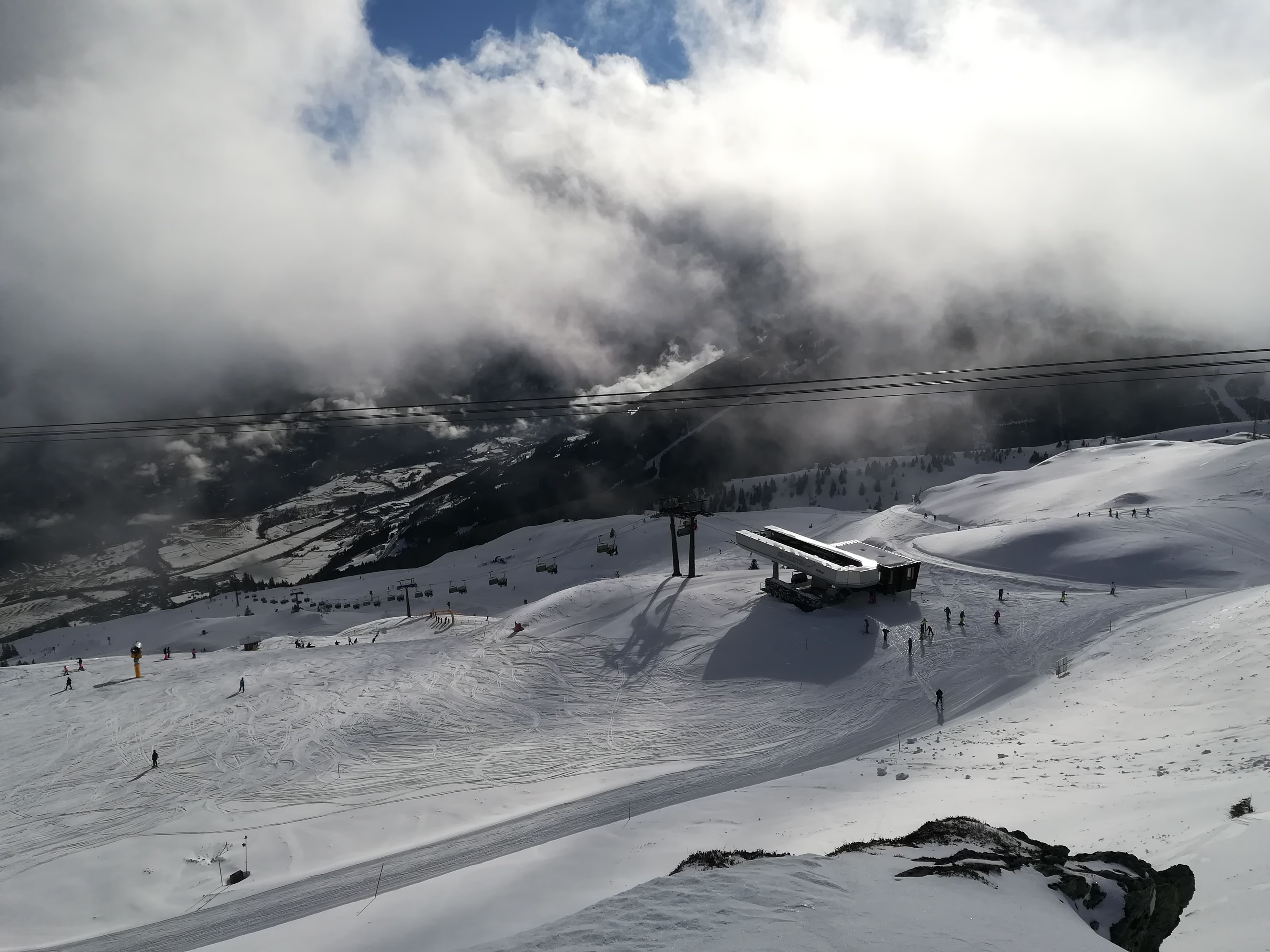
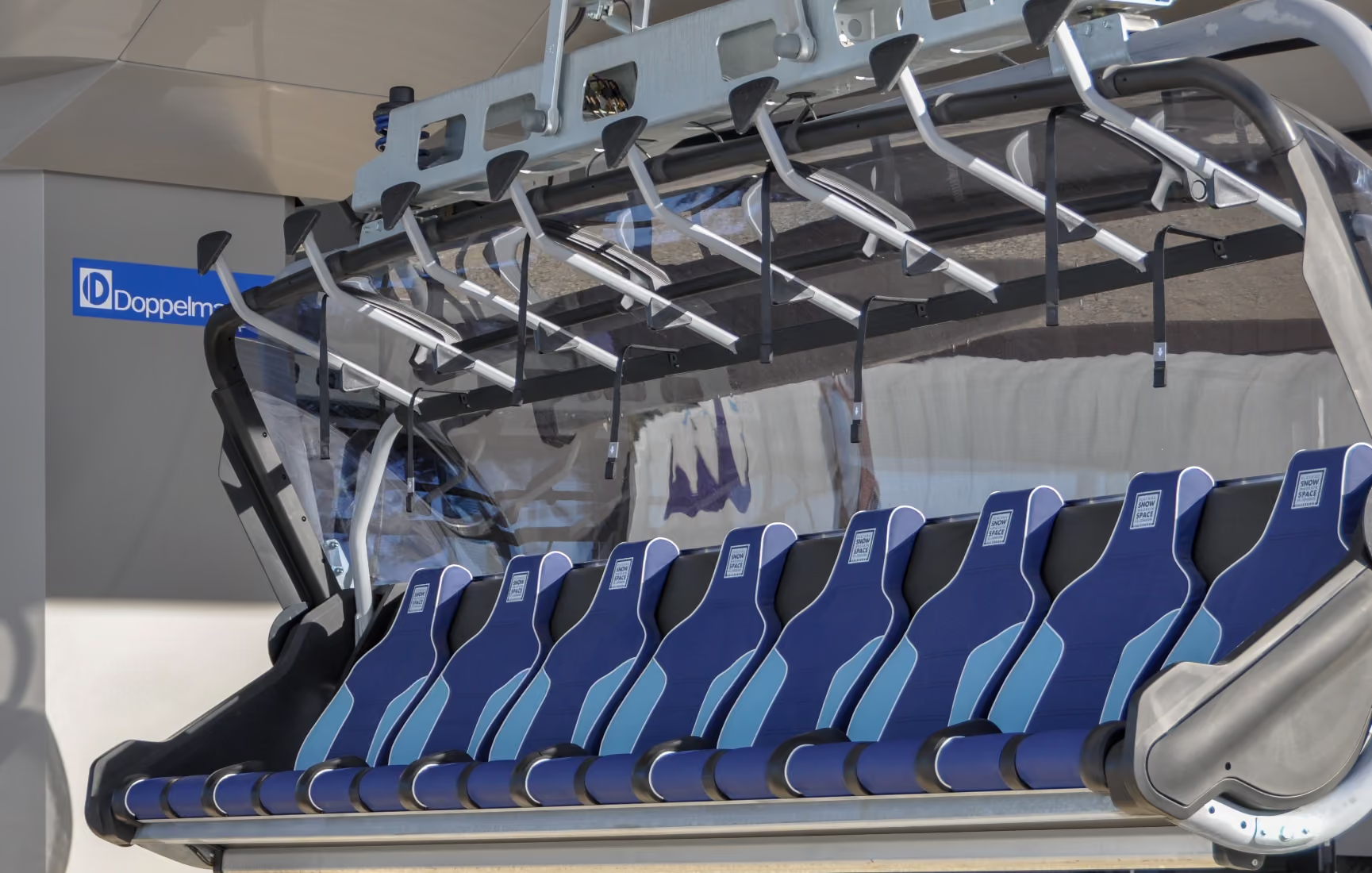
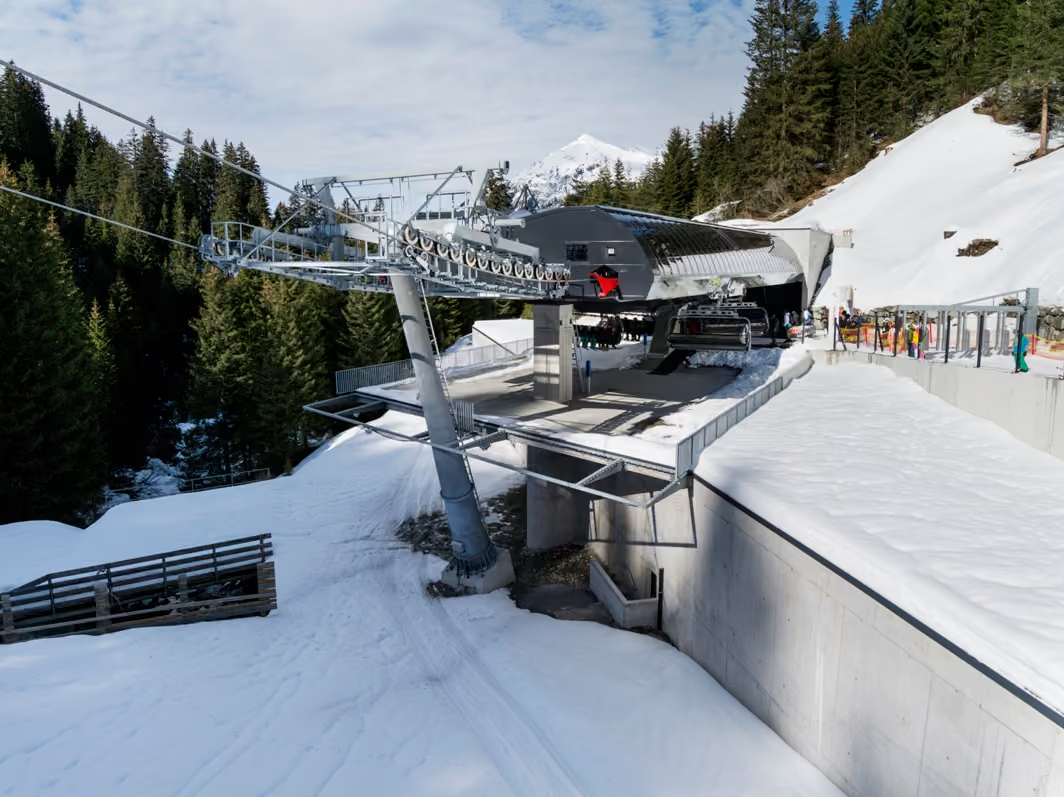
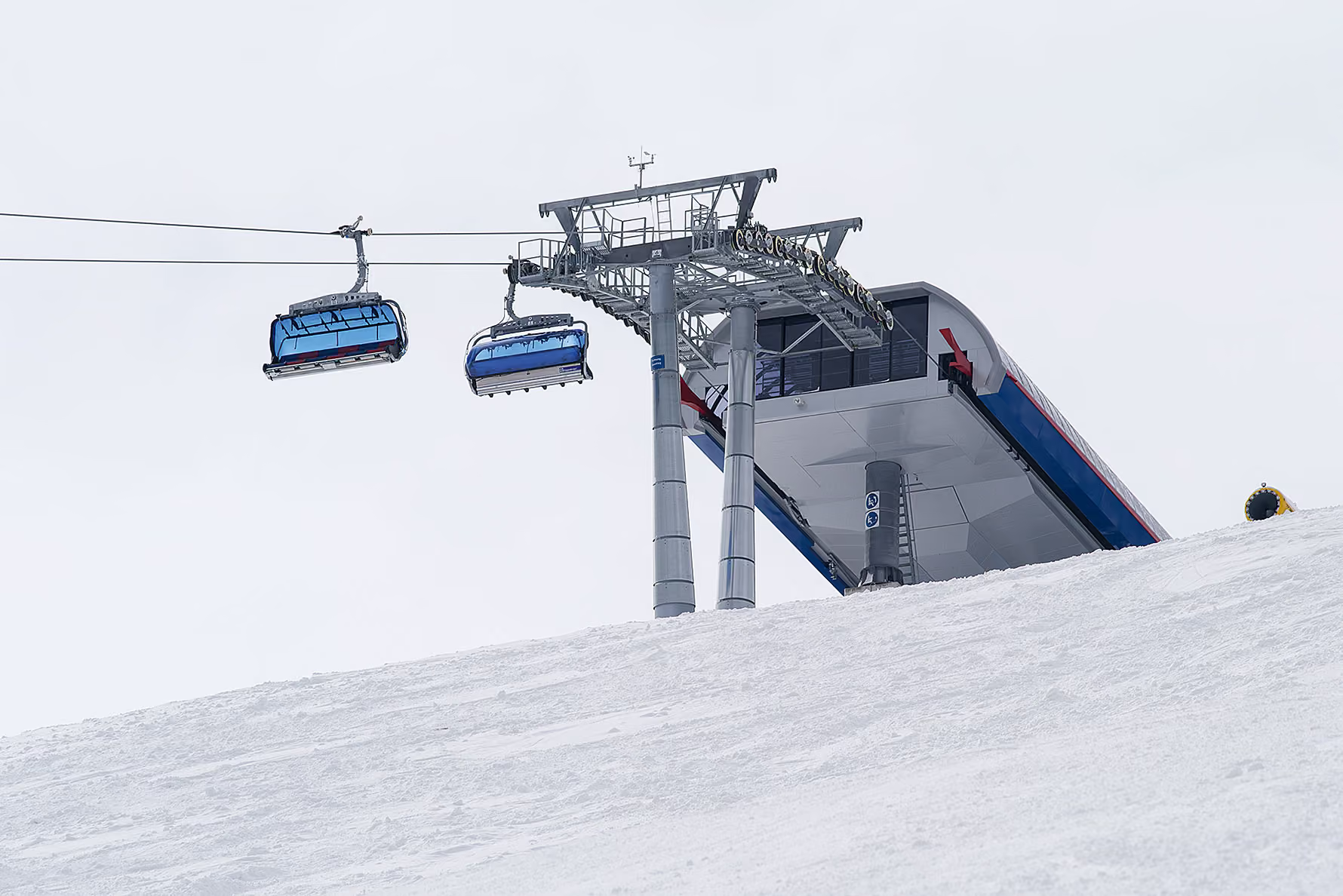
The two old two-seater chairlifts were replaced by modern detachable six-seater chairlifts. With weather protection bubbles and child safety bars, the Jennerwiesenbahn offers a high level of comfort. It is used by many families. The Mitterkaserbahn, for the more sporting skiers, is kept somewhat simpler. “We weighed up costs and benefits carefully in the ropeway technology,” explains ropeway planner Stephan Salzmann.
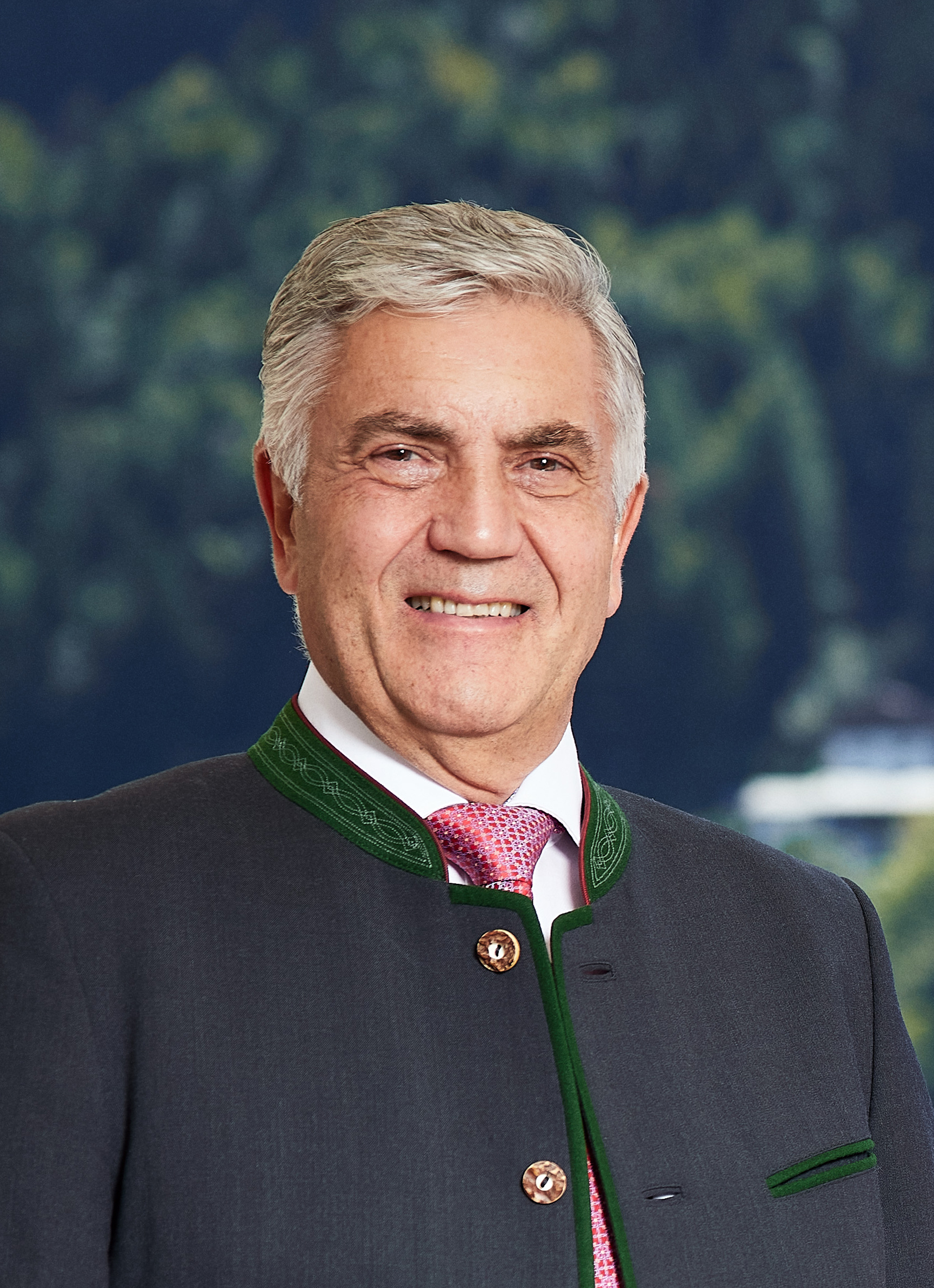
Chairman of the Supervisory Board, Berchtesgadener Bergbahn AG
A sharp headwind
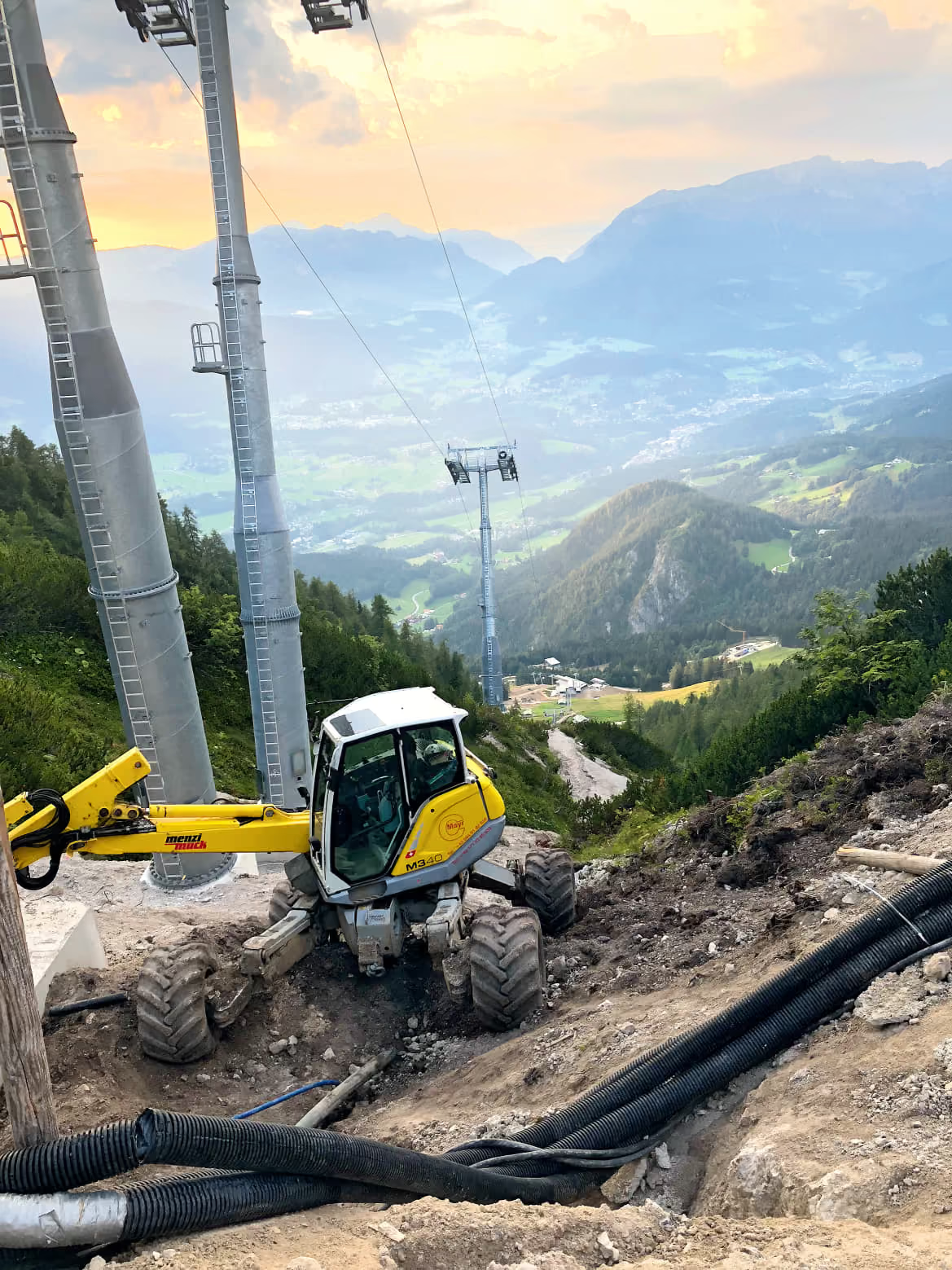
Wind is the enemy of every ropeway, and on the Jenner the headwind was particularly sharp. The German conservation association BUND Naturschutz inundated the project with lawsuits and objections, not only up to the granting of the permit but throughout the entire construction period. In spring, for example, the construction road could not be used in certain areas because of the breeding and courtship behaviour of several bird species. Work also had to stop at certain times of day.
“The construction phase was very difficult. We were not allowed to build during precisely the best period,” recalls entrepreneur Peter Hettegger. The construction of the stations was affected above all. Stephan Salzmann: “We had to move some of the work into the winter. For the construction company that was an enormous challenge.”
In the end the project as a whole was delayed by a year. The first section of the Jennerbahn was able to open in August 2018 after 14 months of construction. The second section was completed in June 2019. The two chairlifts Jennerwiesen and Mitterkaser were renewed at the start of the 2018/19 and 2019/20 winter seasons respectively.
While the cost of the overall project rose significantly to 57 million euros – above all because of the strict imposed conditions and the resulting delays – the ropeway technology came in exactly on target. “Salzmann Ingenieure played a major part in that,” says Peter Hettegger in praise. “The tendering, the negotiations with Leitner Ropeways and the entire handling of the construction work were very positive. Everything ran smoothly there.”
Making full use of the area’s potential
The first seasons in 2018 and 2019 show that the concept works. In the summer before the pandemic began, visitor numbers rose by around half to 250,000. In winter, the number of visitors increased from 70,000 to 100,000.
The increased capacities also proved their worth over the past two years, which were shaped by the pandemic. “Everything is very generously sized. Even when we were only allowed three people in each of our ten-passenger cabins, we had hardly any waiting times,” reports board member Thomas Hettegger, who heads the company today.
The extras such as the seminar rooms and the wedding hall are also going down well: 60 weddings were held there in the first summer alone. There are many enquiries for corporate events. Thomas Hettegger is confident about the period after the pandemic, when visitors from all over the world will return: “99.9 per cent of visitor feedback is positive. I will be delighted when we can finally make full use of our potential – hopefully as early as this summer.”