10EUB Valisera Bahn
Autonomous into the future
Autonomous into the future
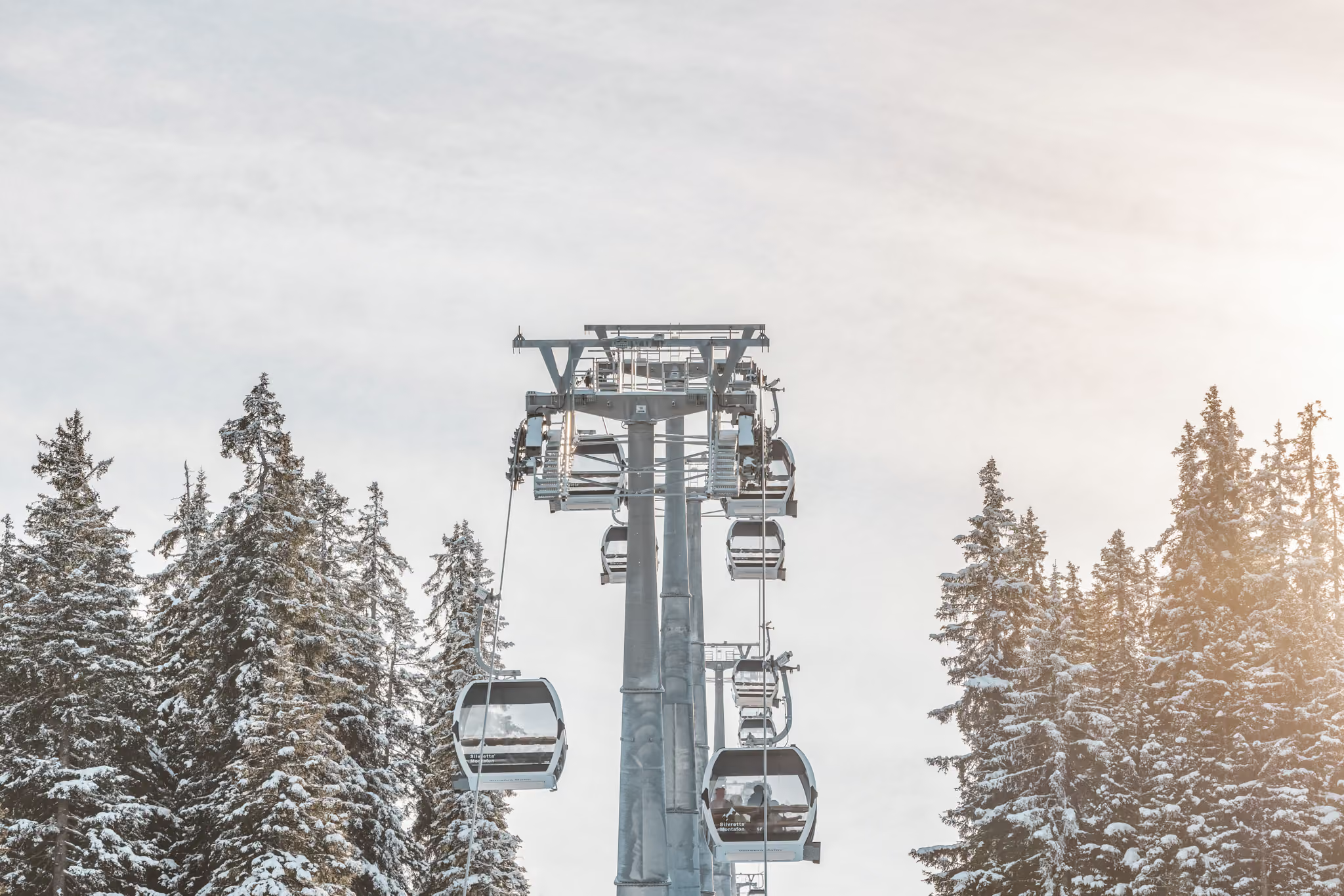
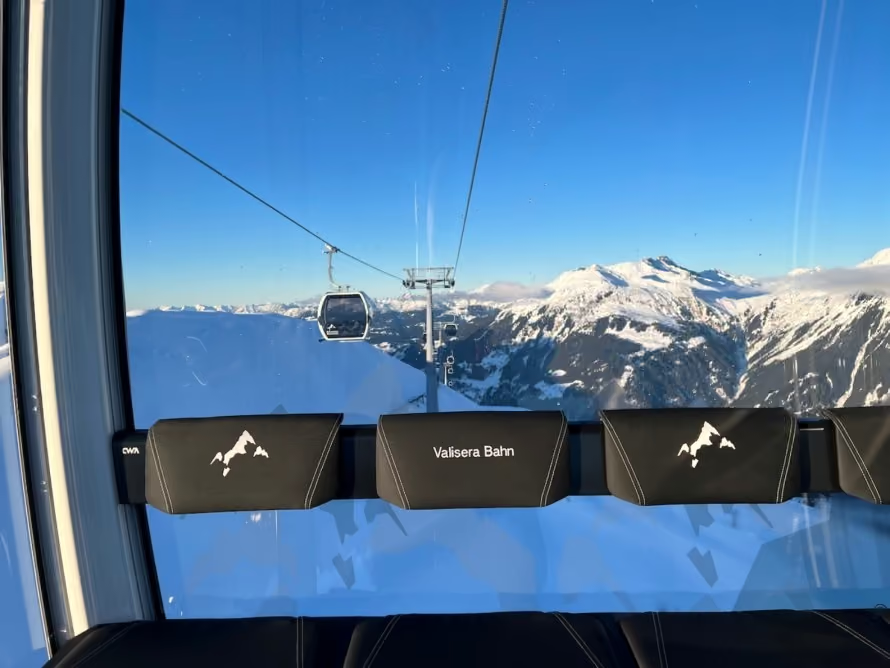
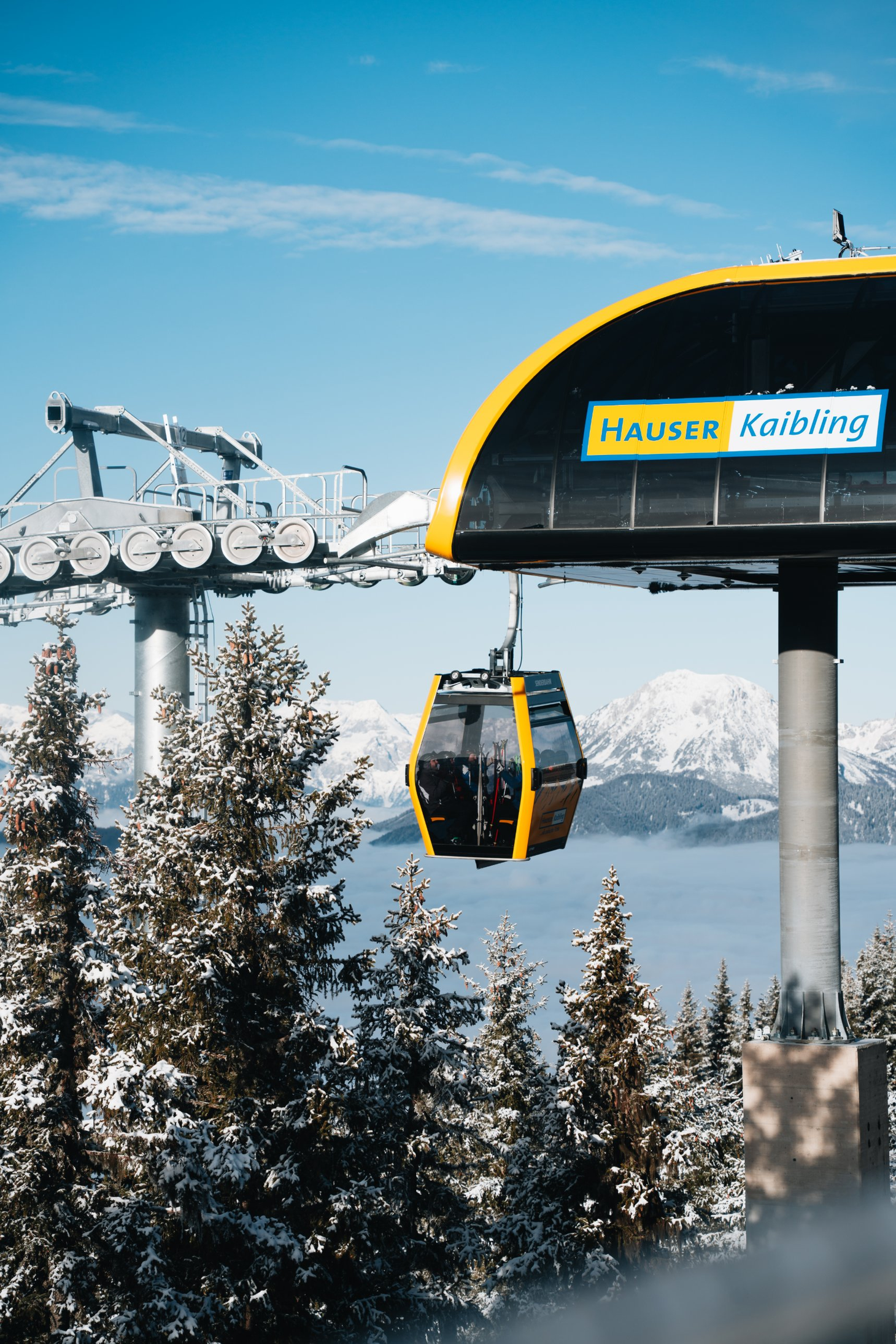
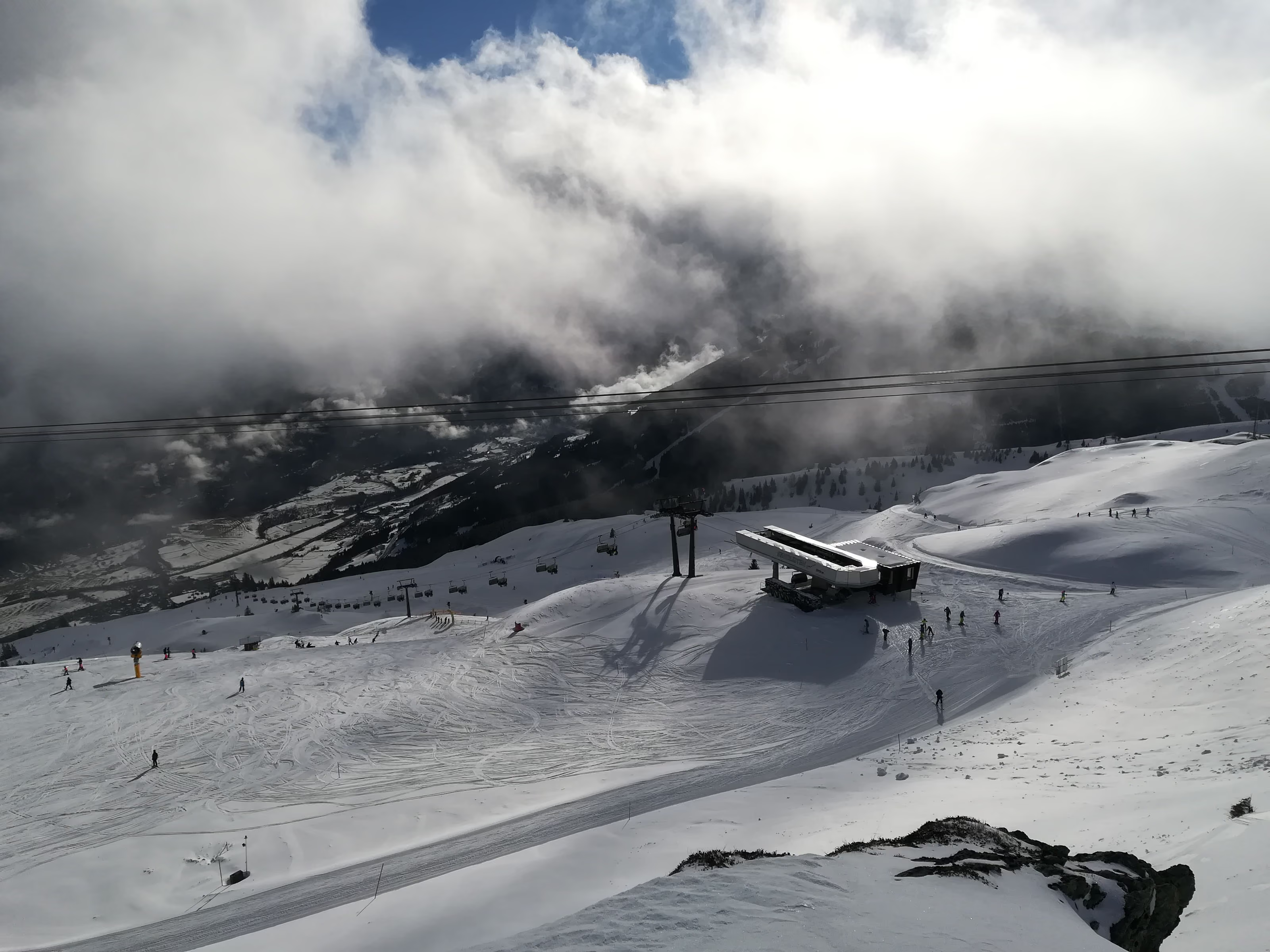
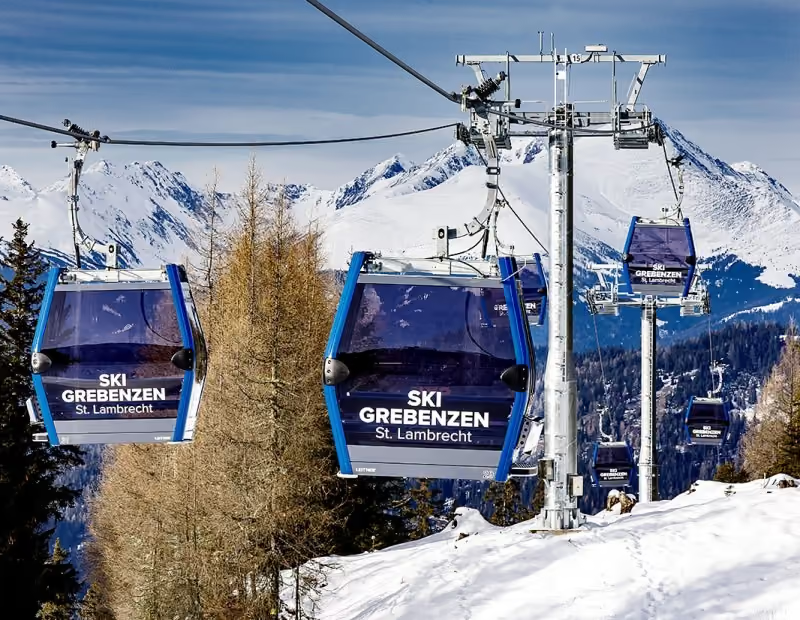
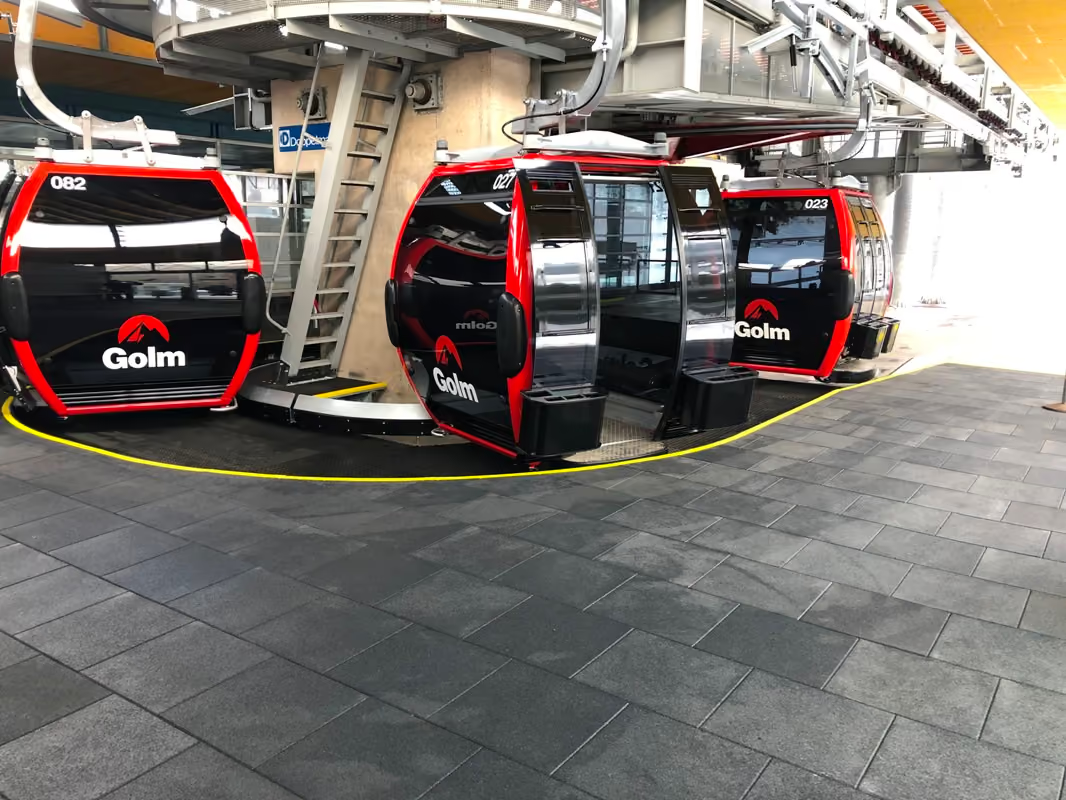
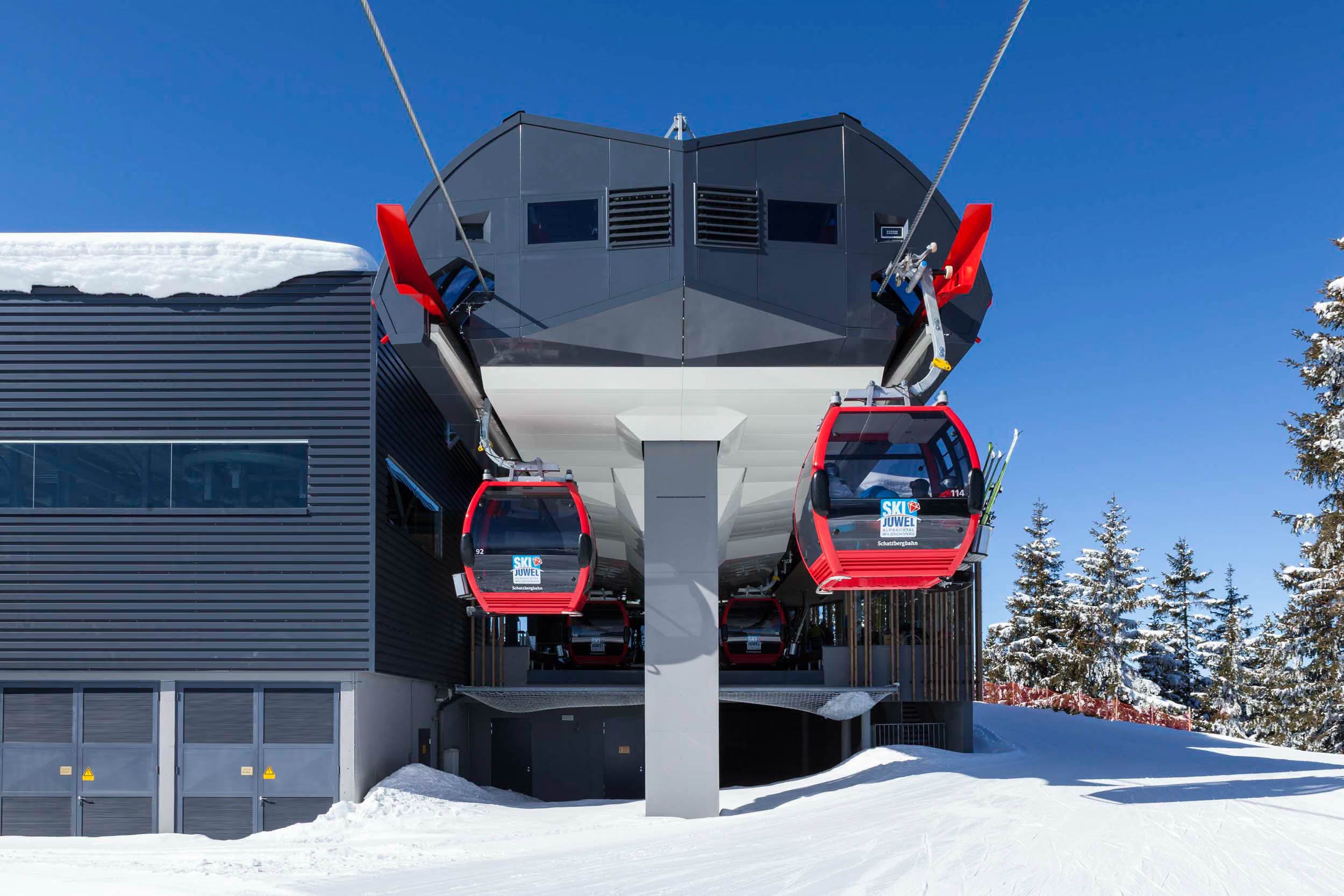
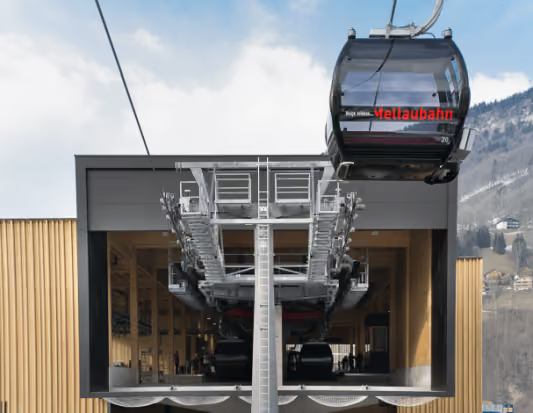
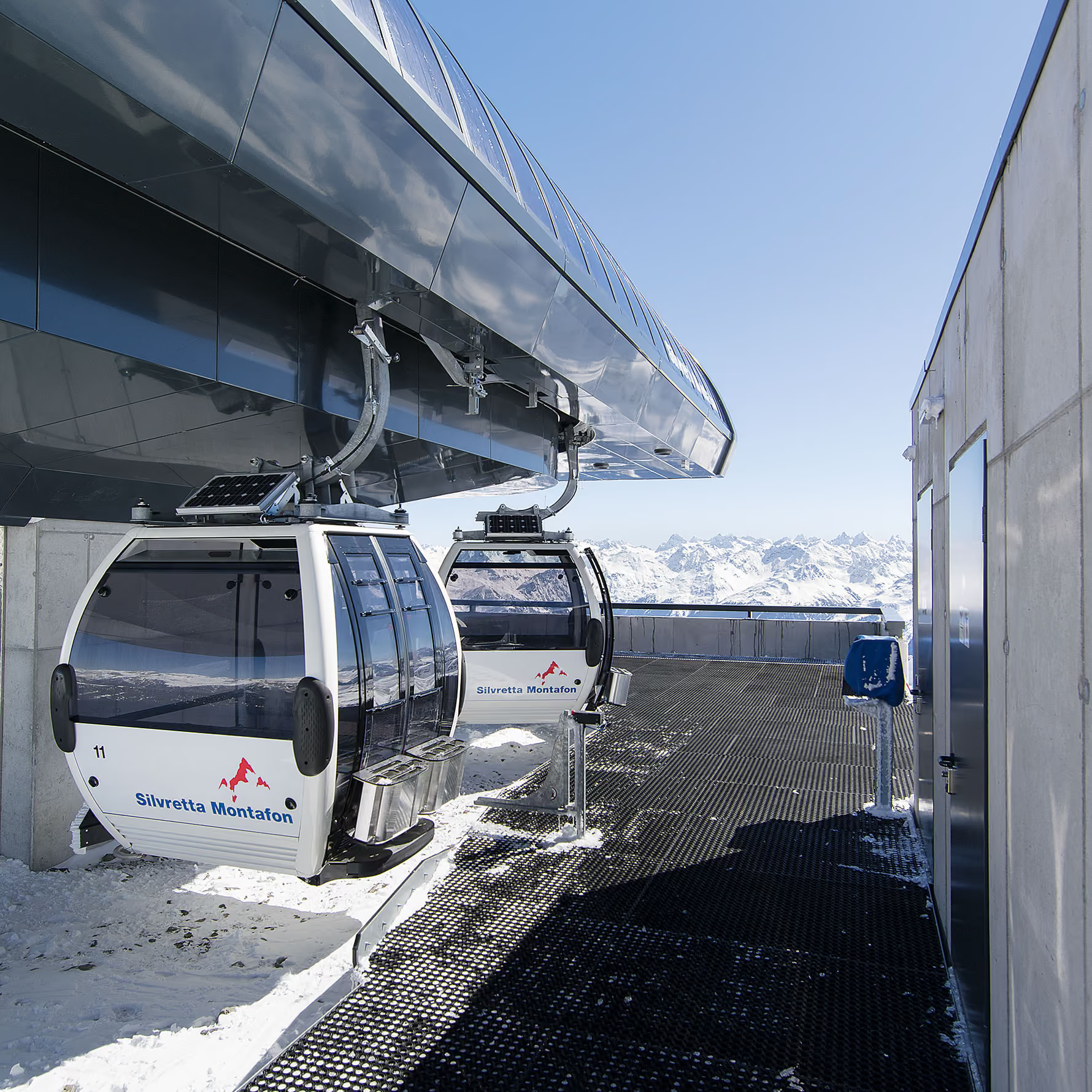
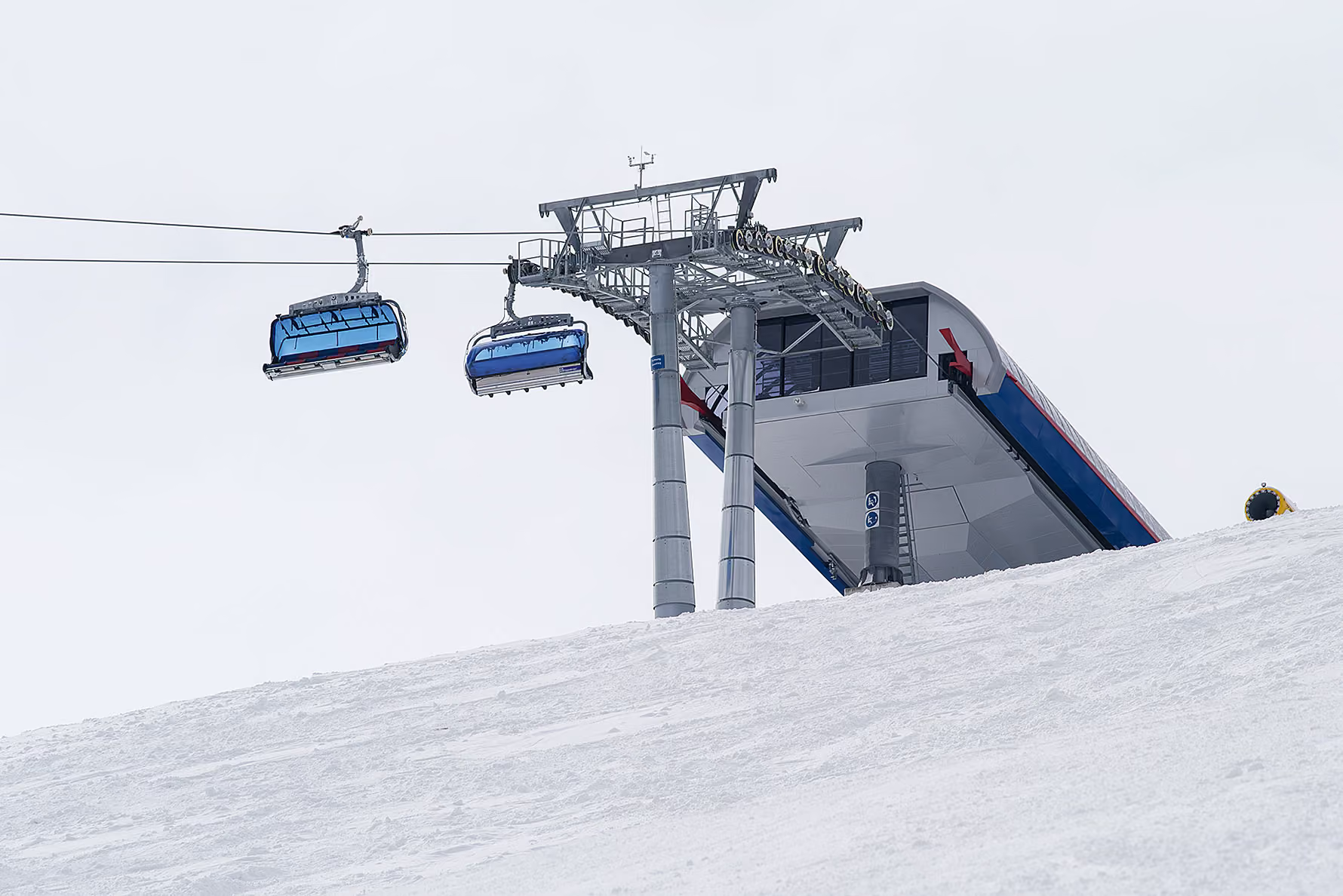
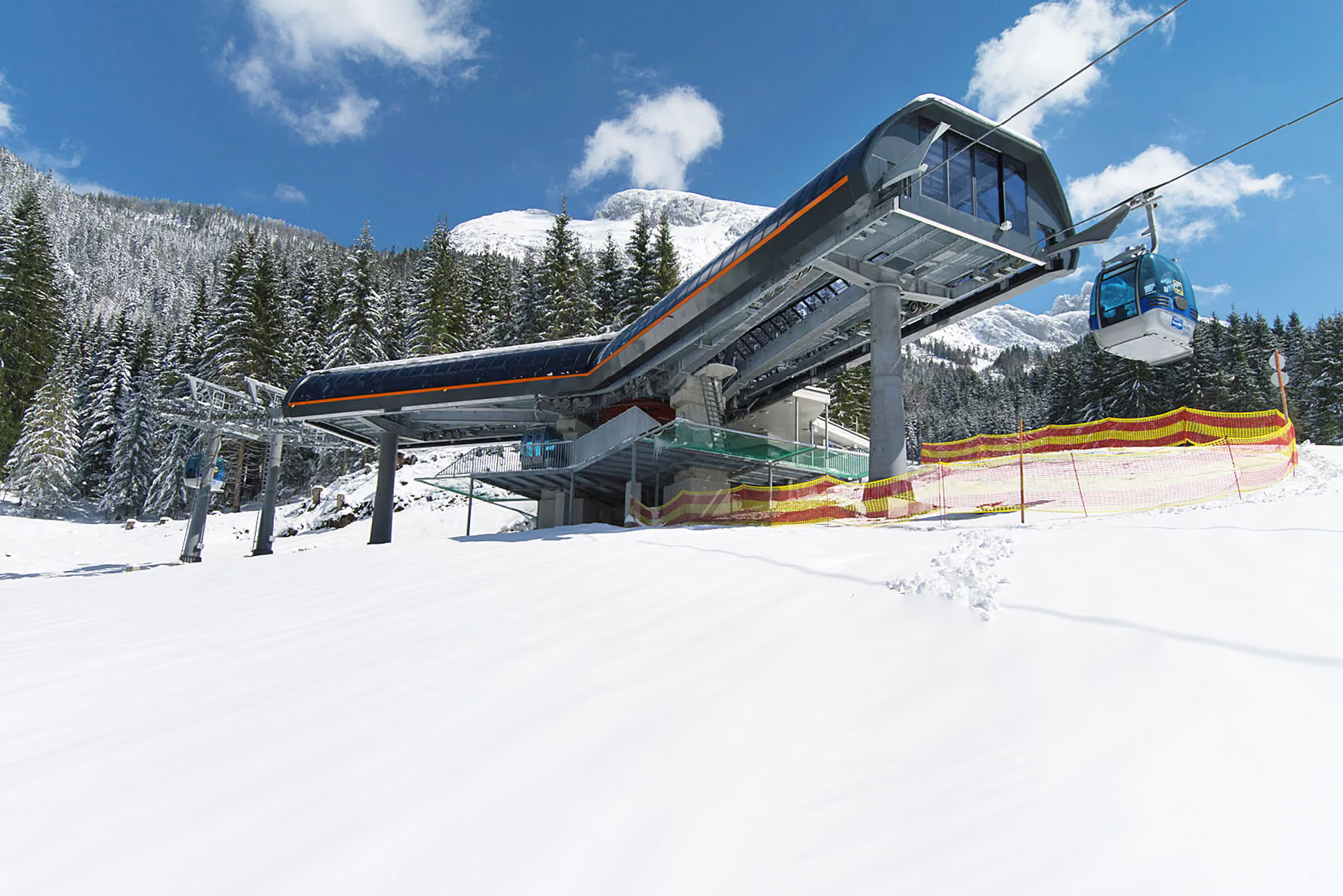
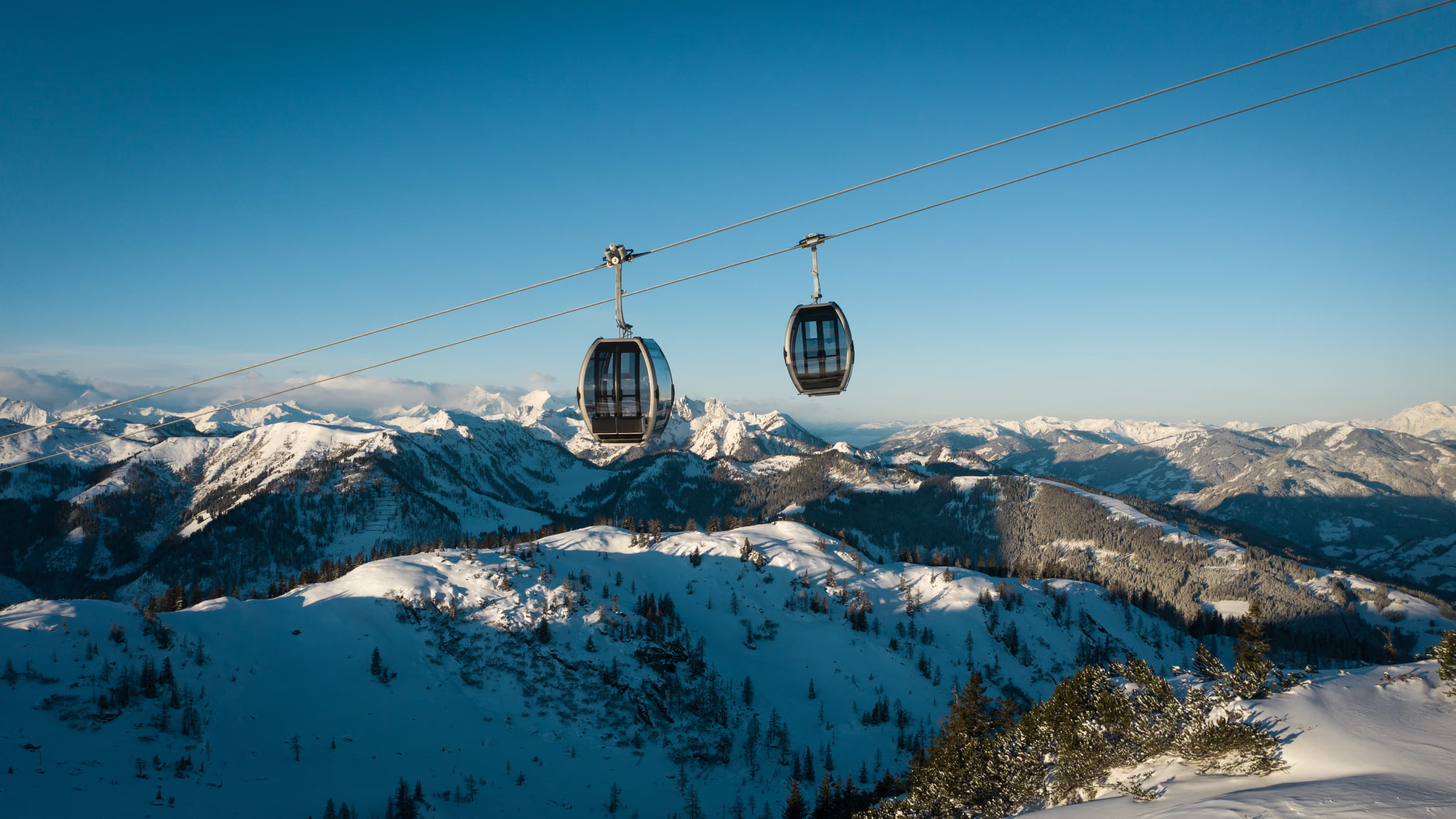
For 40 years, the old Valisera Bahn with its six-person cabins connected the two parts of the ski area, Nova in St. Gallenkirch and Hochjoch in Schruns, in Vorarlberg’s Montafon valley. Since the winter of 2021/22, this high-capacity installation, equally unique when it was built in 1981, has found a worthy successor in Austria’s first autonomous 10-passenger gondola lift. The replacement was delivered in just a few months on the basis of the existing alignment and station locations – despite considerably larger dimensions, traffic optimisations and ropeway technology that was new worldwide.
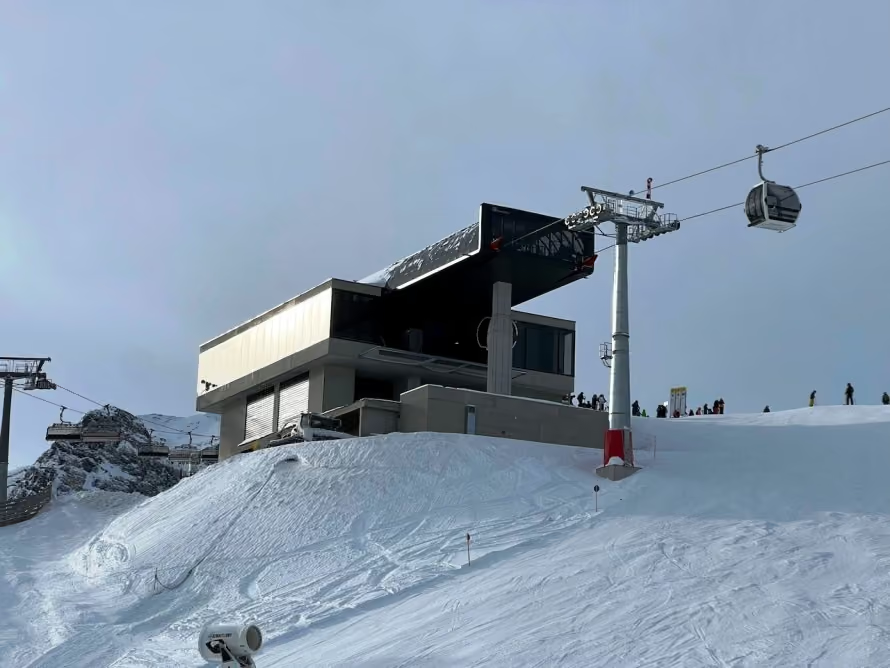
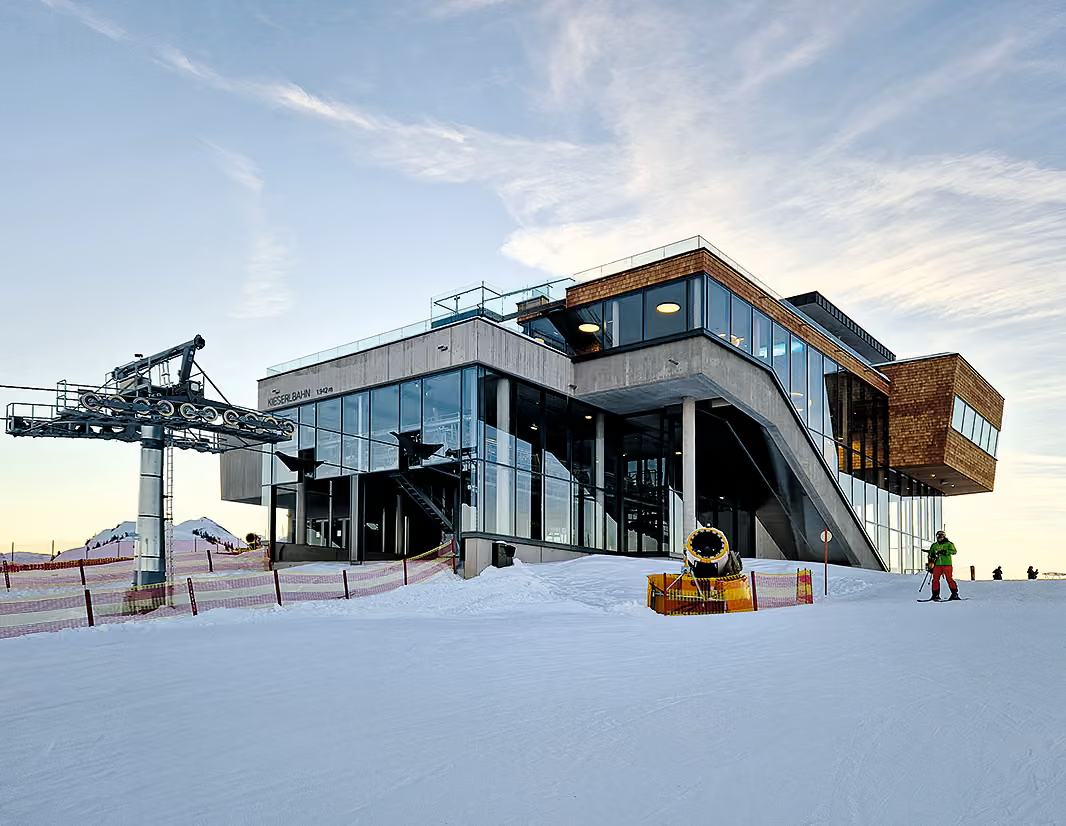
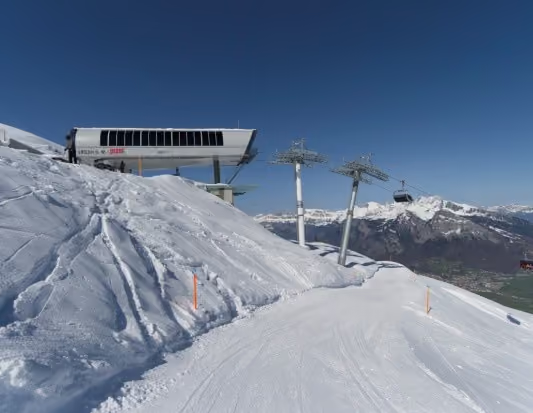
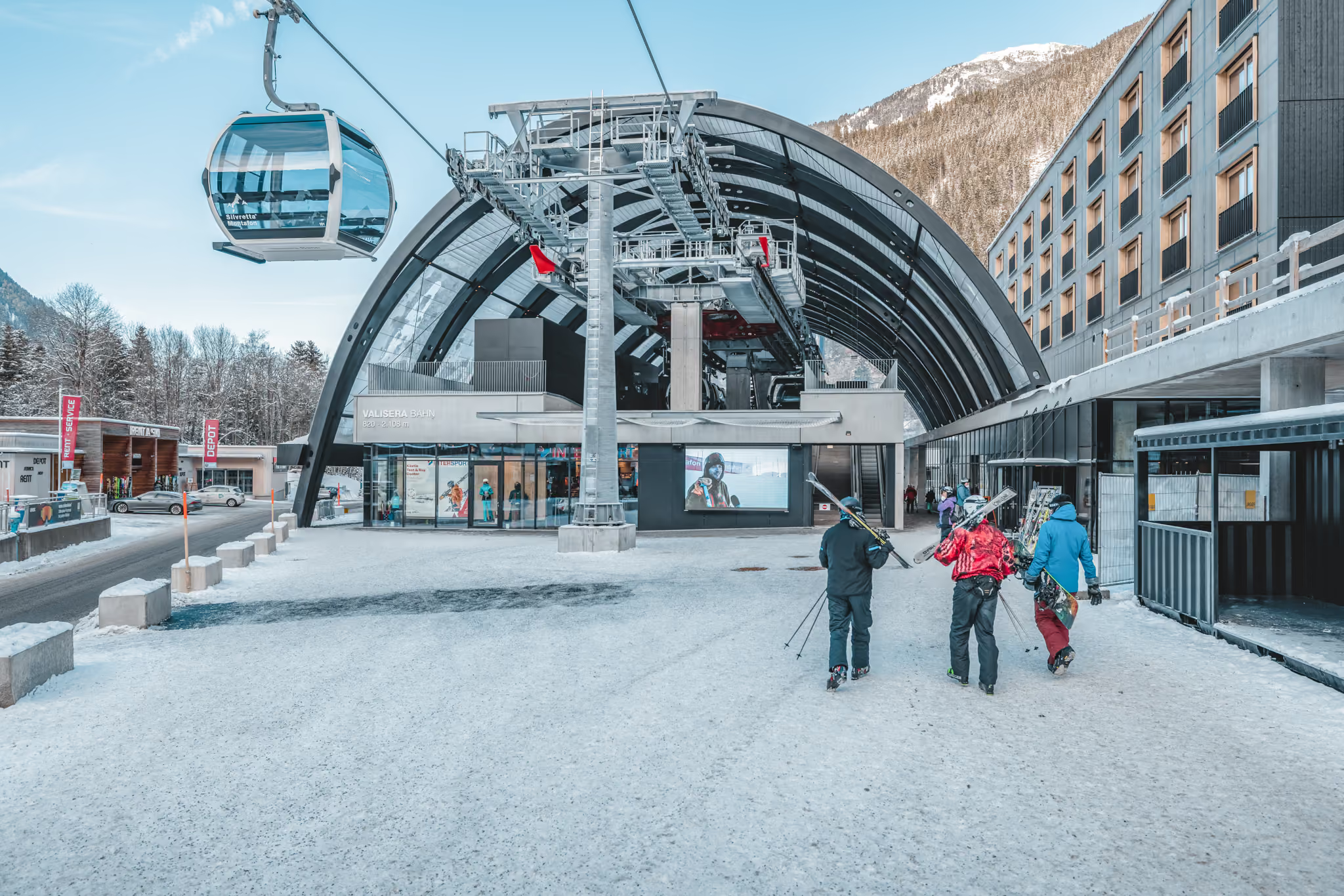
Besides increasing capacity from 2,200 to currently 2,800 and up to 3,600 persons carried per hour in the final build-out, the new Valisera Bahn sets international standards as Austria’s first autonomous ropeway. The same applies to the bottom station, designed as a multifunctional centre: the Silvretta Park Montafon houses a sports shop, a ski school, a market hall, staff rooms and a hotel complex with more than 100 rooms, a restaurant and a bar. There is also an underground car park with 50 electric charging points and a total of 600 parking spaces. As with the Grasjoch Bahn, the Innsbruck firm Obermoser + Partner Architekten was responsible for this terminal with its spectacular foil canopy. The mid station and the top station, designed by Salzmann Ingenieure and Lang Vonier Architekten, are at least as impressive.
System type
detachable 10-passenger gondola lift
Length
2,059 + 1,955 metres
Vertical rise
808 + 478 metres
Capacity
2,800 persons/h (final build-out: 3,600 p/h)
Max. line speed
6.5 m/s
Number of cabins
128 (final build-out: 168)
Manufacturer
Doppelmayr Seilbahnen
Initial situation
Since 2008, the Vorarlberg tourism destination Silvretta Montafon has united the two ski areas of Nova and Hochjoch and, with more than 140 kilometres of pistes and 35 lifts, is one of Austria’s largest ski areas. The merger was also sealed in practical terms in 2011 with the construction of the Grasjoch Bahn in the Galgenul district near St. Gallenkirch. Directly opposite the new eight-passenger gondola lift built by Salzmann Ingenieure (Newsletter No. 5), the Valisera Bahn, built in 1981, carried its guests into the Nova area up to more than 2,000 metres above sea level.
The first considerations for a contemporary replacement of the long-serving six-passenger gondola lift arose as early as 2008. Seven years later, plans with an alternative alignment and an inclined lift into the Vermieltal were under discussion. When this complex undertaking failed, Salzmann Ingenieure took over the design of a 10-passenger gondola lift in 2017, based on the existing alignment and stations.
Besides increasing capacity from 2,200 to currently 2,800 and up to 3,600 persons carried per hour in the final build-out, the new Valisera Bahn sets international standards as Austria’s first autonomous ropeway. The same applies to the bottom station, designed as a multifunctional centre: the Silvretta Park Montafon houses a sports shop, a ski school, a market hall, staff rooms and a hotel complex with more than 100 rooms, a restaurant and a bar. There is also an underground car park with 50 electric charging points and a total of 600 parking spaces. As with the Grasjoch Bahn, the Innsbruck firm Obermoser + Partner Architekten was responsible for this terminal with its spectacular foil canopy. The mid station and the top station, designed by Salzmann Ingenieure and Lang Vonier Architekten, are at least as impressive.
Start of a new ropeway era
With a total investment volume of 70 million euros, the new Valisera Bahn together with the construction of the Silvretta Park is one of the largest construction projects in Vorarlberg’s winter sports history and was also the largest building project in the province in 2021. About one third of the costs was accounted for by the innovative ropeway technology. In legal terms, the new installation counts as a conversion. Because the positions of the lift and the stations were not changed, only an extension of the existing concession was required.
“The valid contracts ultimately created the basis for timely delivery before the end of the concession. Because the line was unchanged, we were able to integrate the two basement levels of the top station into a conversion concept and so save money and resources,” reports planner Stephan Salzmann.
The results speak for themselves: the Valisera Bahn is not only Austria’s first autonomous ropeway but also the world’s first two-section lift of its kind. The technical basis for this innovative installation is the AURO system (AUtonomous Ropeway Operation) from Doppelmayr. “In the new Valisera Bahn our guests are already experiencing the future of international ropeway technology today. The state-of-the-art installation guarantees fast and smooth transport, provides the highest level of service and comfort, blends harmoniously into the mountain landscape and also impresses with its sustainable and aesthetic design,” emphasises Martin Oberhammer, Managing Director of Silvretta Montafon Holding.
The mid station as the central hub
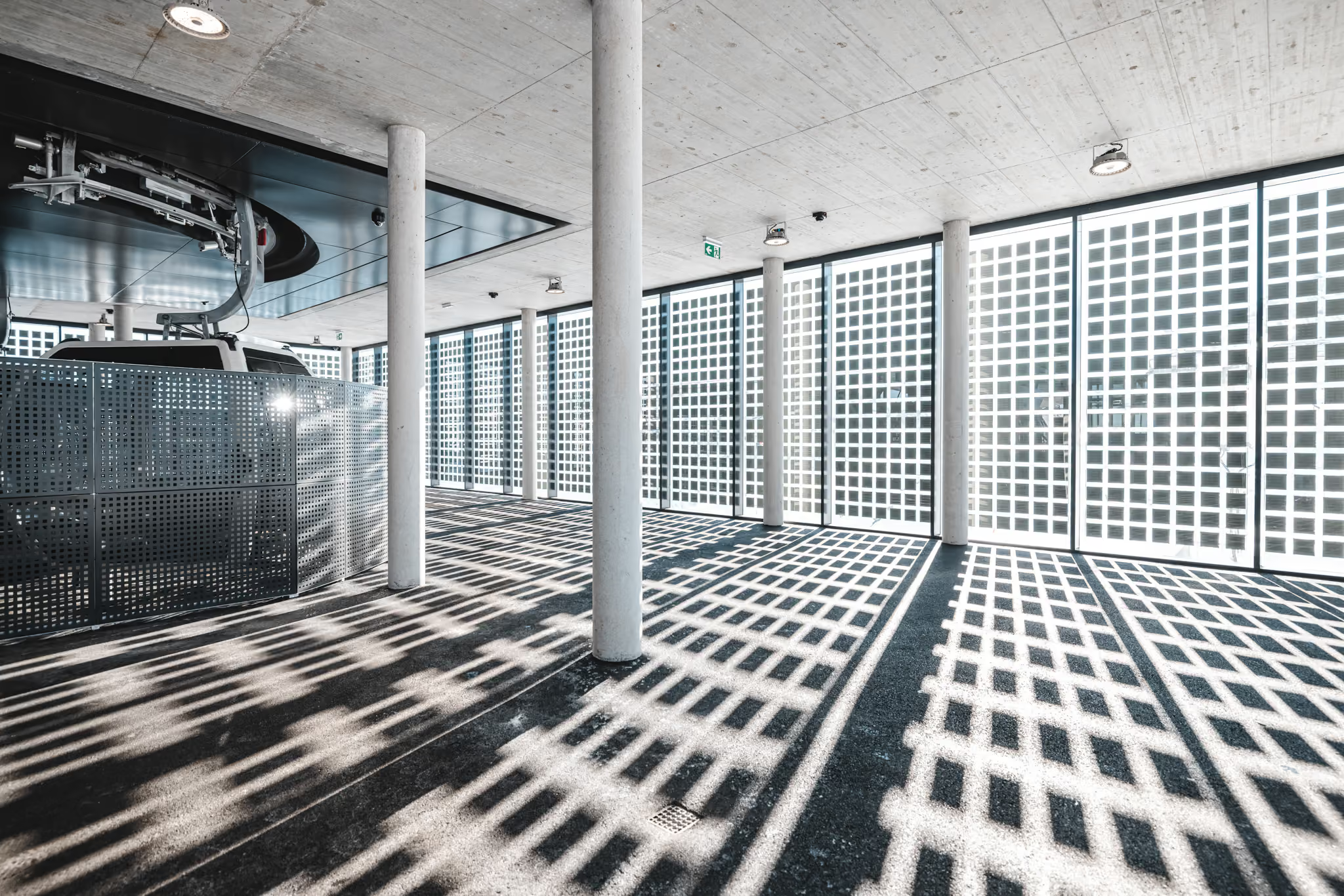
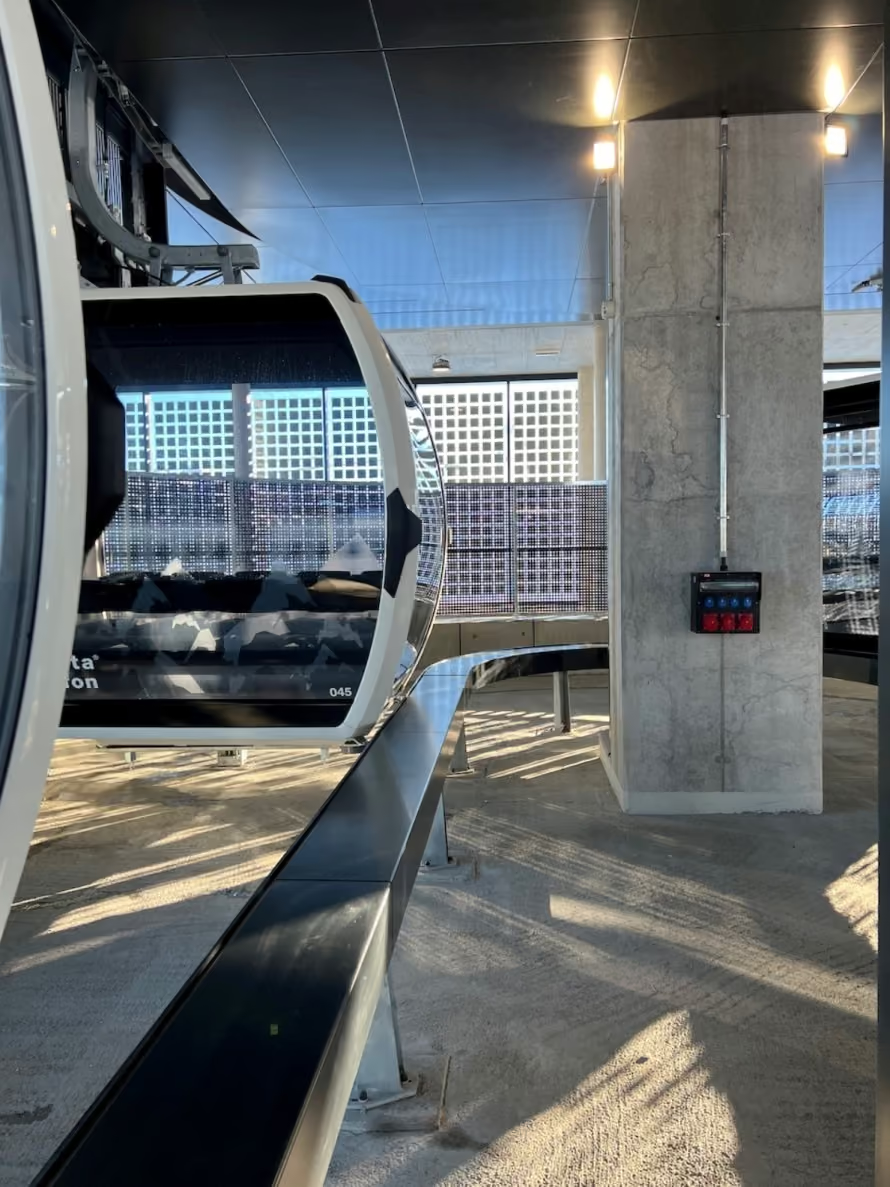
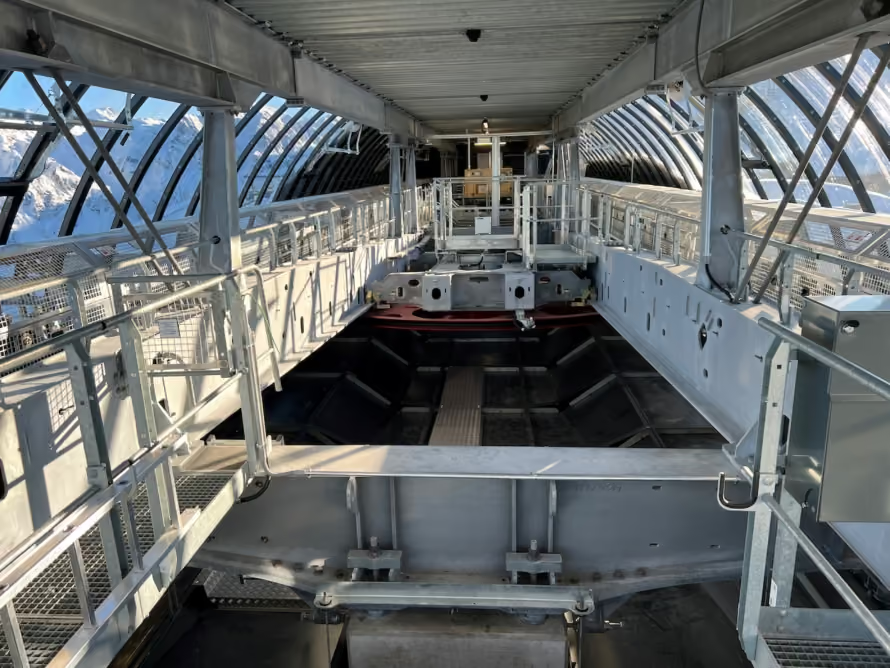
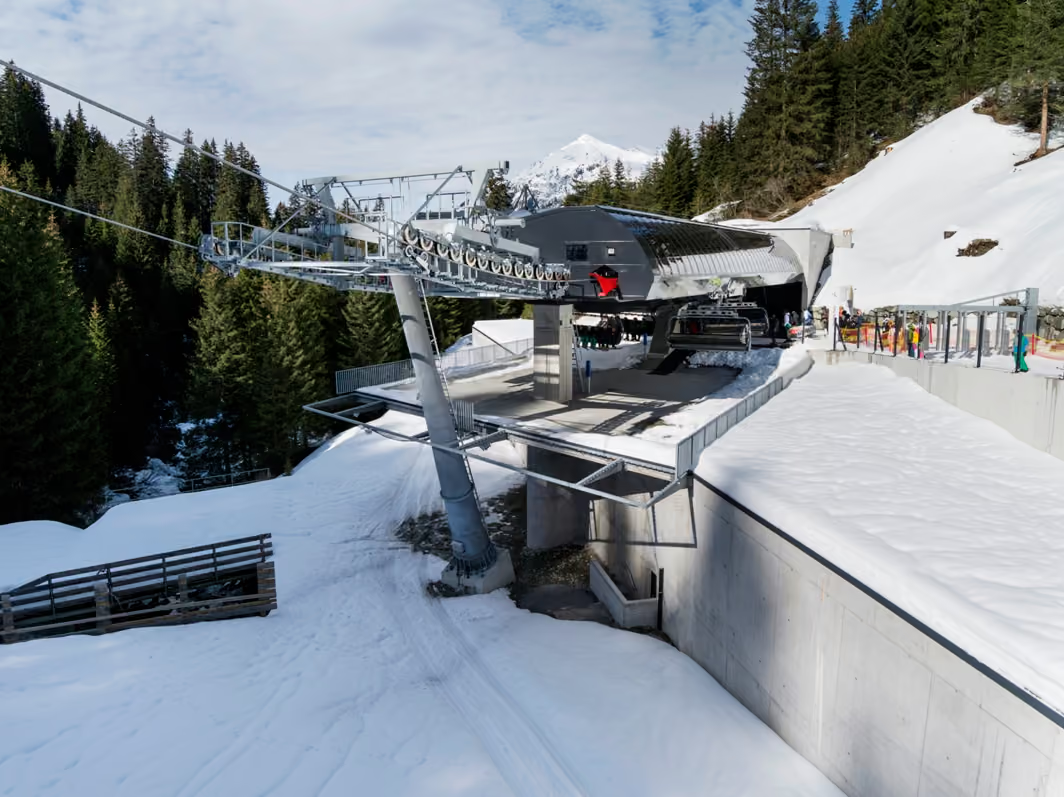
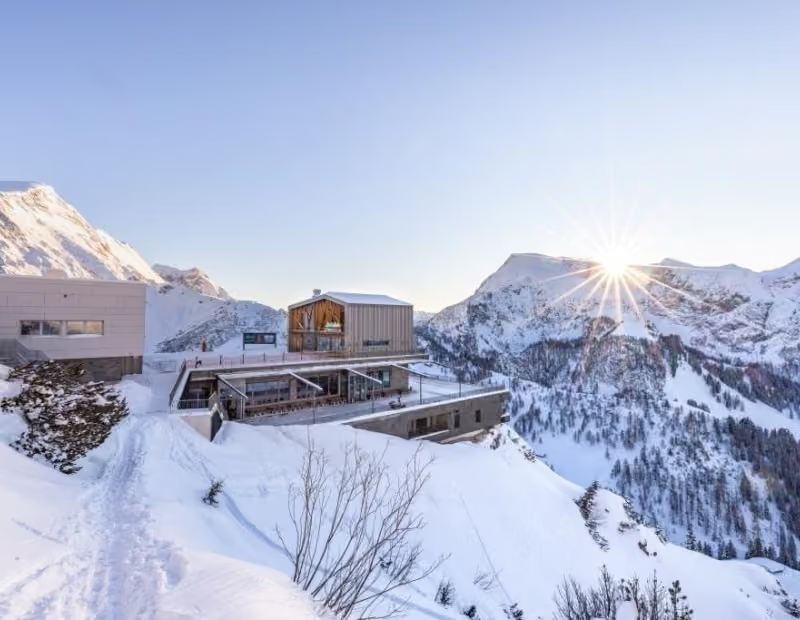
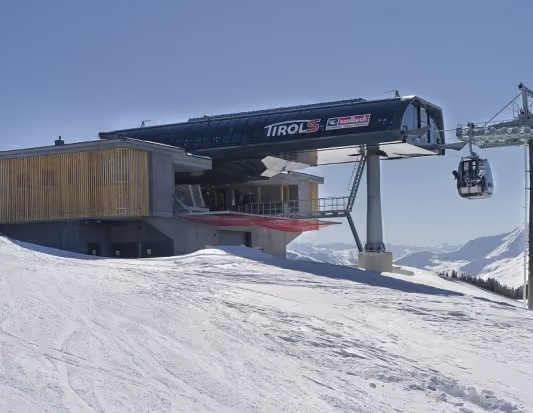
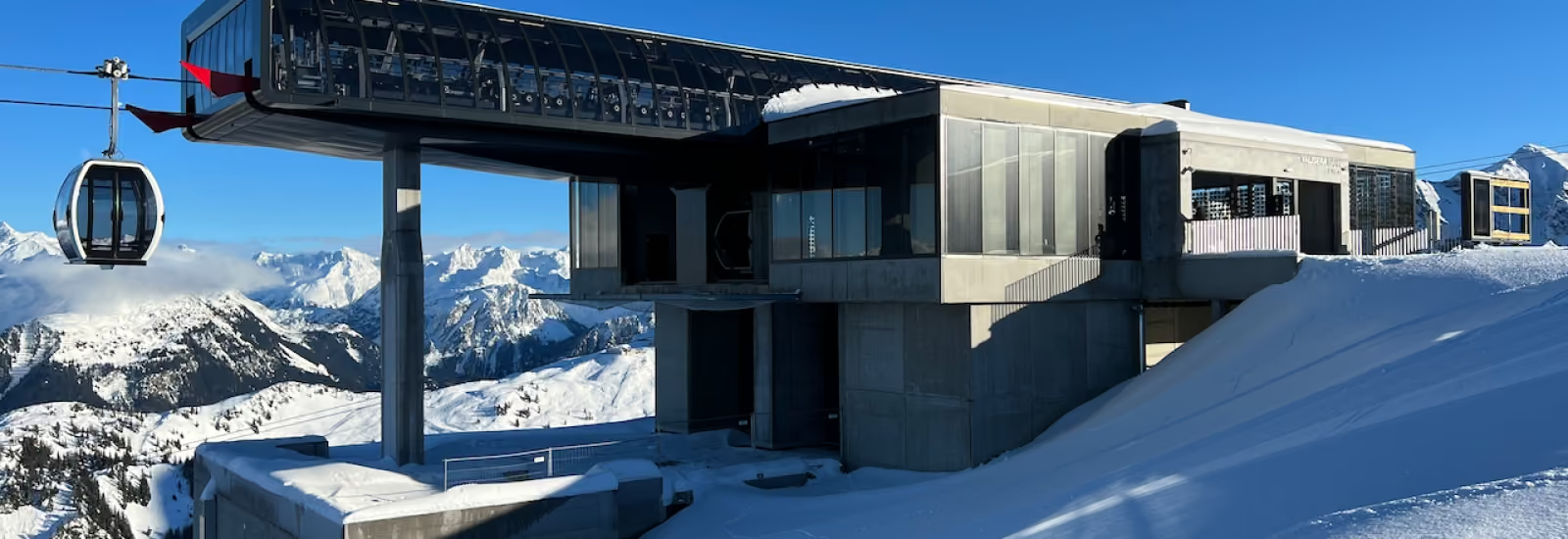
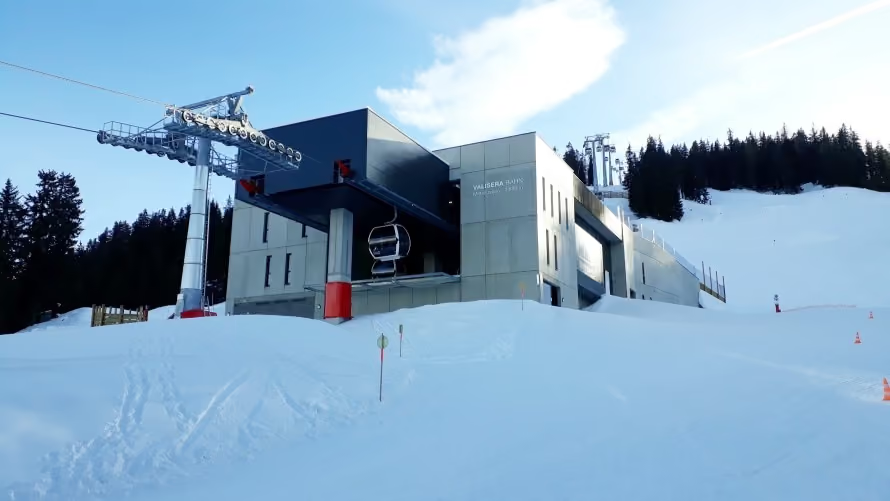
The heart of the Valisera Bahn is located at 1,630 metres: with the Ropeway Operation Center (ROC), the mid station is the control centre for the entire ropeway. In the command and duty room, one person each is responsible for operations at the top and at the bottom. In the bottom and top stations, passengers act independently and yet are always under the eye of the professionals. Numerous cameras and sensors provide information on the situation in the unstaffed stations.
In implementing the innovative system, the design team around Stephan Salzmann also had to resolve fire protection and safety aspects. “Autonomous operation required an additional control system and special building services. This makes it possible to operate lifts or escalators externally in emergency situations and to close entrance gates remotely,” he explains. Only in the event of a fault do the operating staff have to step in at the unstaffed stations.