10EUB Vierstadlalm
TirolS: a link for limitless skiing pleasure
ONE ROPEWAY FOR TWO PROVINCES
With the construction of the 10-passenger monocable gondola lift TirolS, Bergbahnen Fieberbrunn realised a long-cherished vision. The first ideas for linking the two ski areas of Fieberbrunn and Saalbach-Hinterglemm/Leogang date back more than 25 years. Following the extensive modernisation of the Tyrolean ski area of Fieberbrunn, the gondola lift is now the crowning conclusion of a multi-stage development concept.
Good things come to those who wait – that is one way to sum up the story of the 10-passenger monocable gondola lift TirolS. As long as 25 years ago, the operators of Bergbahnen Fieberbrunn in Tyrol were already considering creating a link to the neighbouring ski area of Saalbach-Hinterglemm/Leogang in Salzburg. “We have accompanied the project on behalf of Bergbahnen Fieberbrunn since the 1990s. In the beginning my father worked on it, and he brought me into the project team while I was still studying. Our delight at the successful implementation and the evident success is correspondingly great,” emphasises Stephan Salzmann, Managing Director of Salzmann Ingenieure.
The starting situation
Over the years many variants were considered – from large-scale piste projects through to peak-to-peak solutions. Finally, a good ten years ago, the ropeway experts of Salzmann Ingenieure defined a two-stage development concept together with the operators: in the first phase the quality of the Fieberbrunn ski area was to be improved for the long term. This included the modernisation of all the main ropeways, with the construction of the 8EUB Doischberg in 2001 and the 8EUB Reckmoos Süd in 2006 as important milestones. With the construction of the 10EUB Reckmoos Nord in 2011, the project partners were able to complete this phase. The second phase had as its goal the skiing link from Fieberbrunn to the Saalbach-Hinterglemm / Leogang ski area. “Given how close the two ski areas are, linking them is an obvious step and offers attractive advantages for both sides. Our task was to find the best solution for it,” explains Stephan Salzmann. The Salzmann Ingenieure team provided the entire ropeway engineering design, from the preliminary studies through tendering to permit planning.
System type
10-passenger monocable gondola lift
Drive
Top station
Tensioning
Bottom station
Bottom station elevation
1,284 m
Intermediate station elevation
1,082 m
Top station elevation
1,808 m
Horizontal length
2,736 m
Total line length
2,947 m
Number of towers
17
Number of cabins
89
Line speed
6.0 m/s
Capacity
2,600 p/h
Ride time
9.30 minutes
Manufacturer
Doppelmayr
Construction period
May - Dec. 2015

Alignment broadens the offering for freeriders
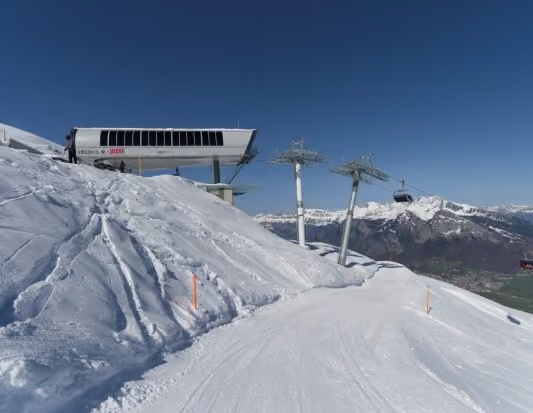
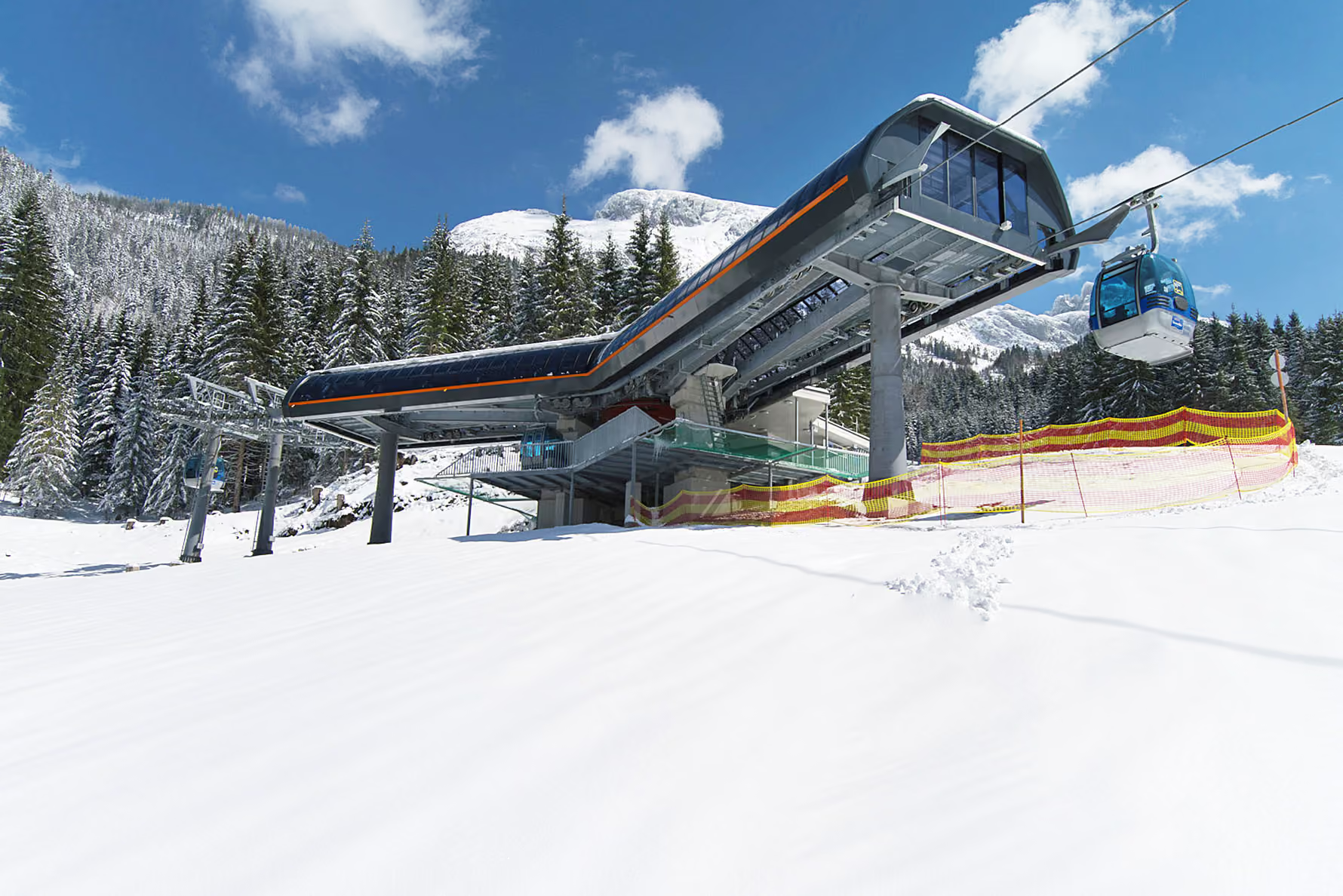
On the Tyrolean side the connection point was already determined by the bottom station of the 8EUB Reckmoos Süd. When this gondola lift was built in 2006, the planners had already allowed for a possible connecting lift. For the top station on the Salzburg side the decision quickly fell on the centrally located Reiterkogel. For a long time the location of the mid station presented the greatest challenge – not without reason had the focus long been on spanning solutions for permit-related reasons.
“The growing freeride trend, however, brought considerations for an intermediate station on the valley floor to the fore in our planning work. Only with this station in the so-called Hörndlinger Graben can the entire valley basin be used by freeriders,” says Stephan Salzmann.
Cost-saving implementation and a comfortable result
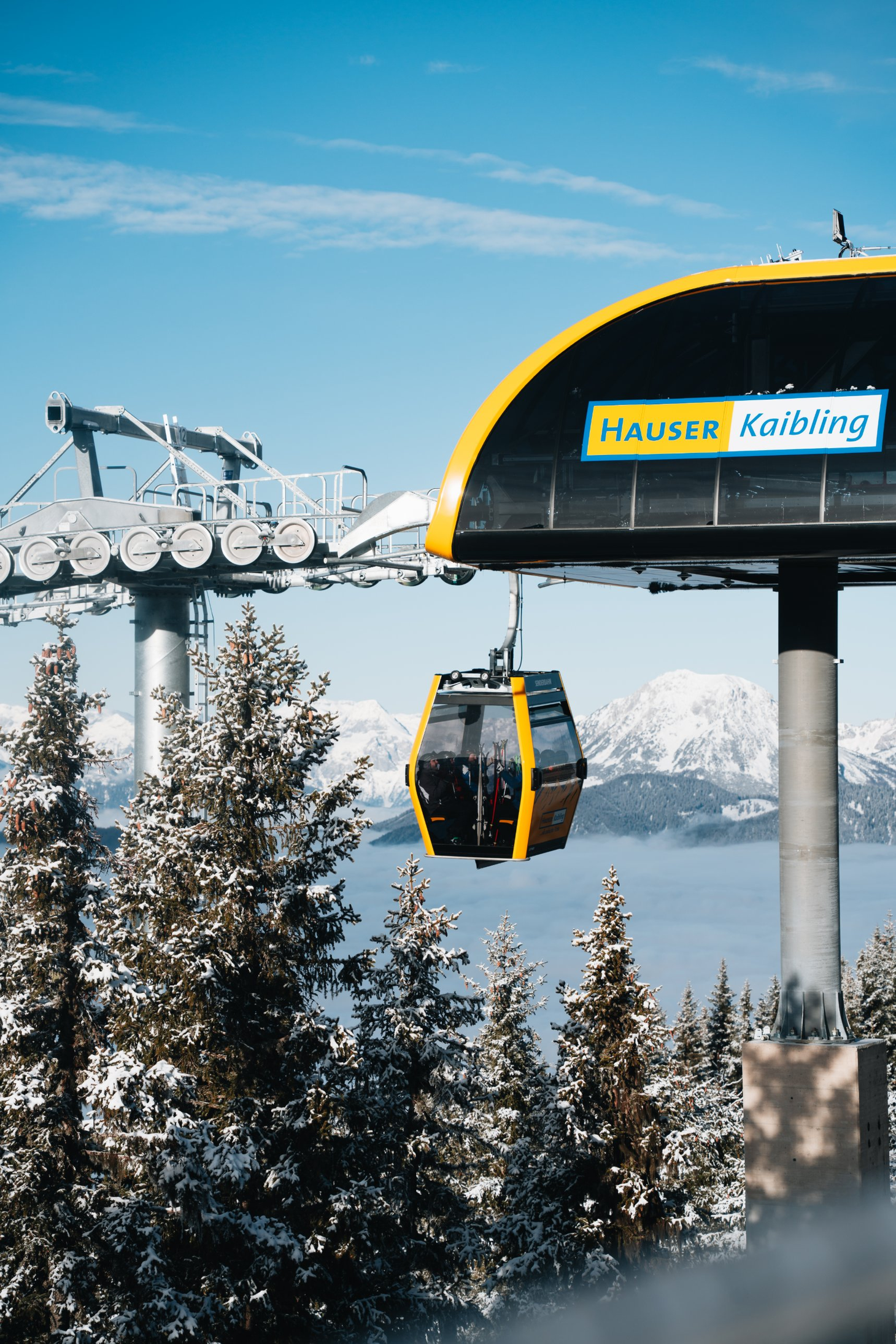
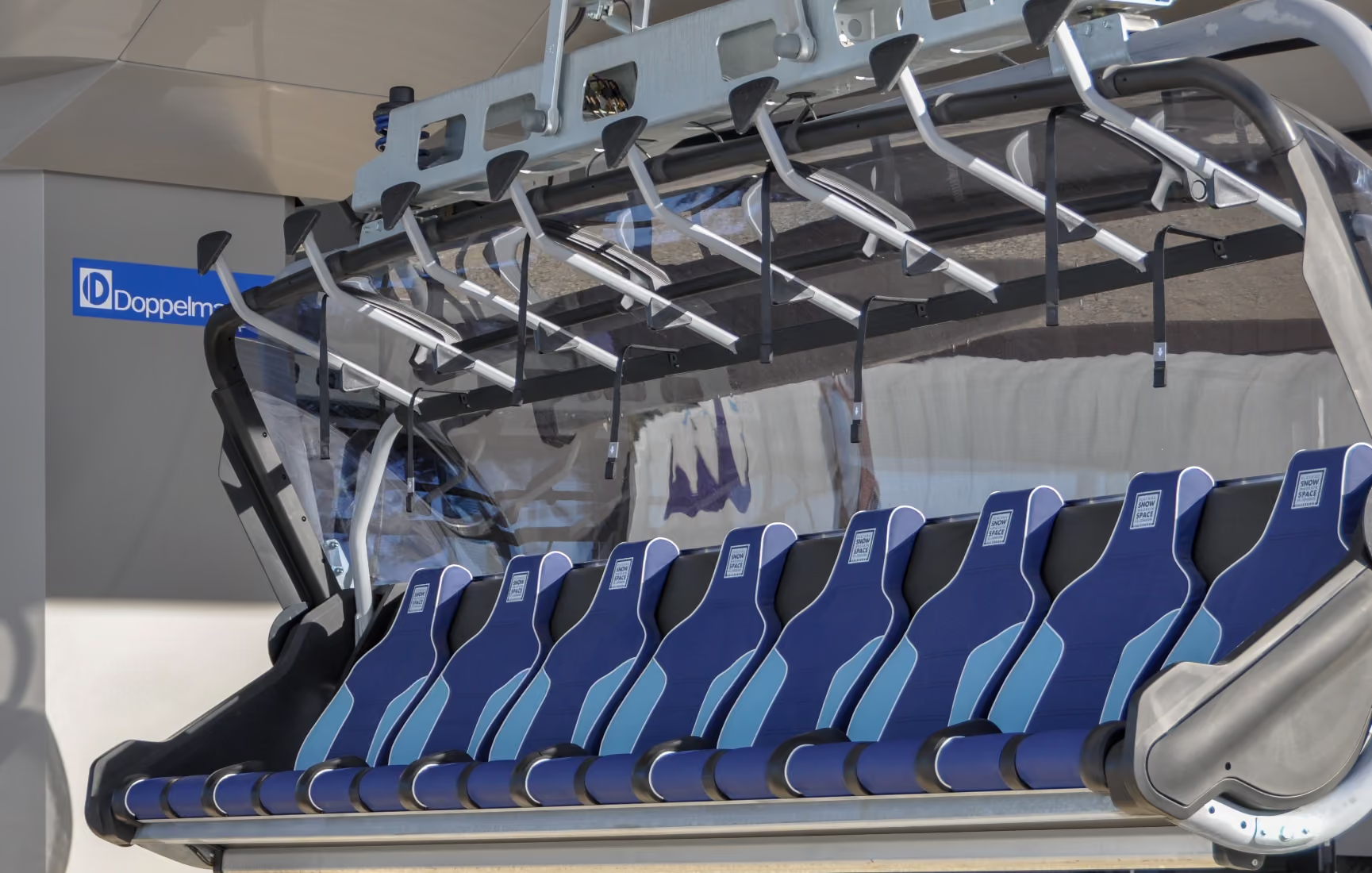
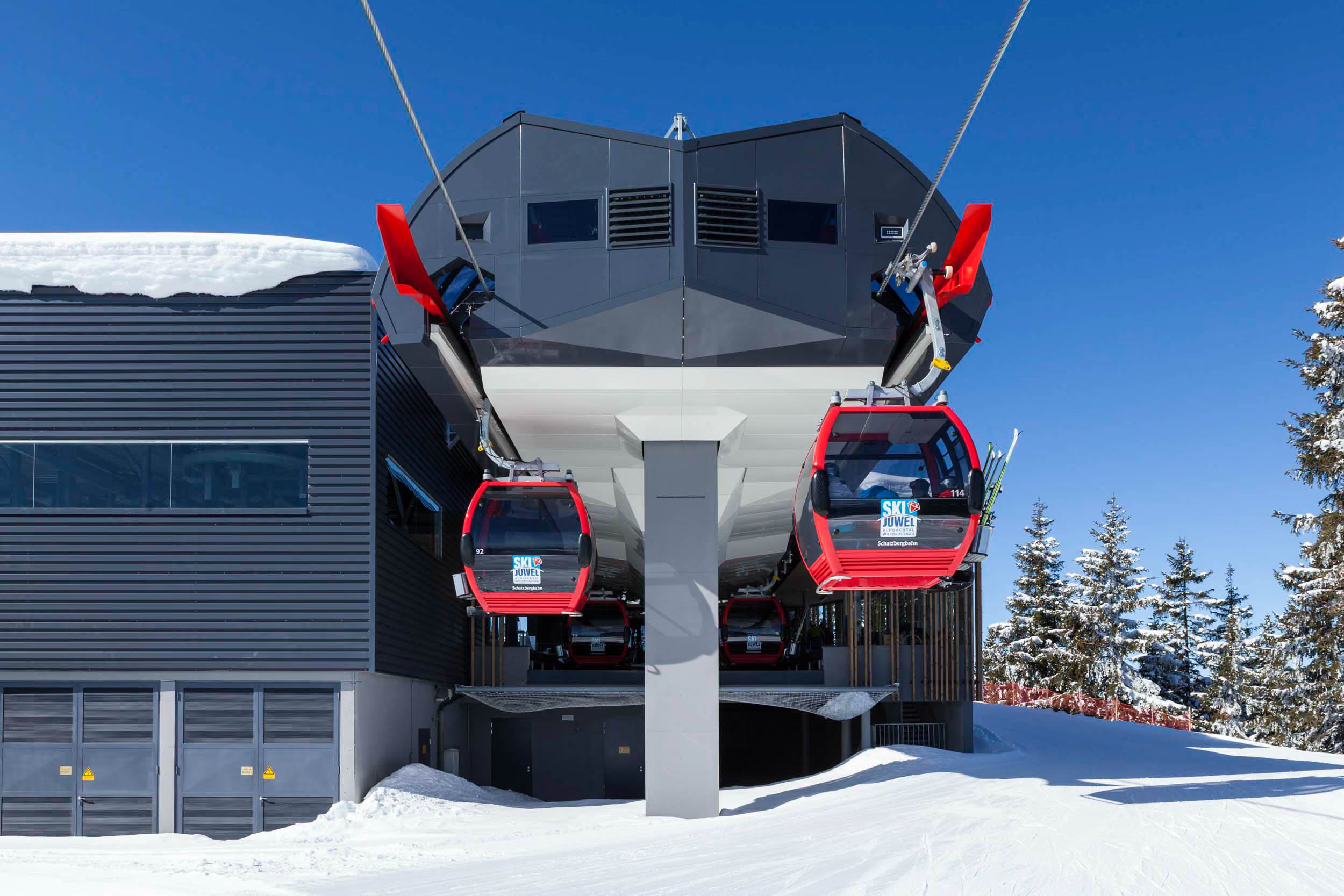
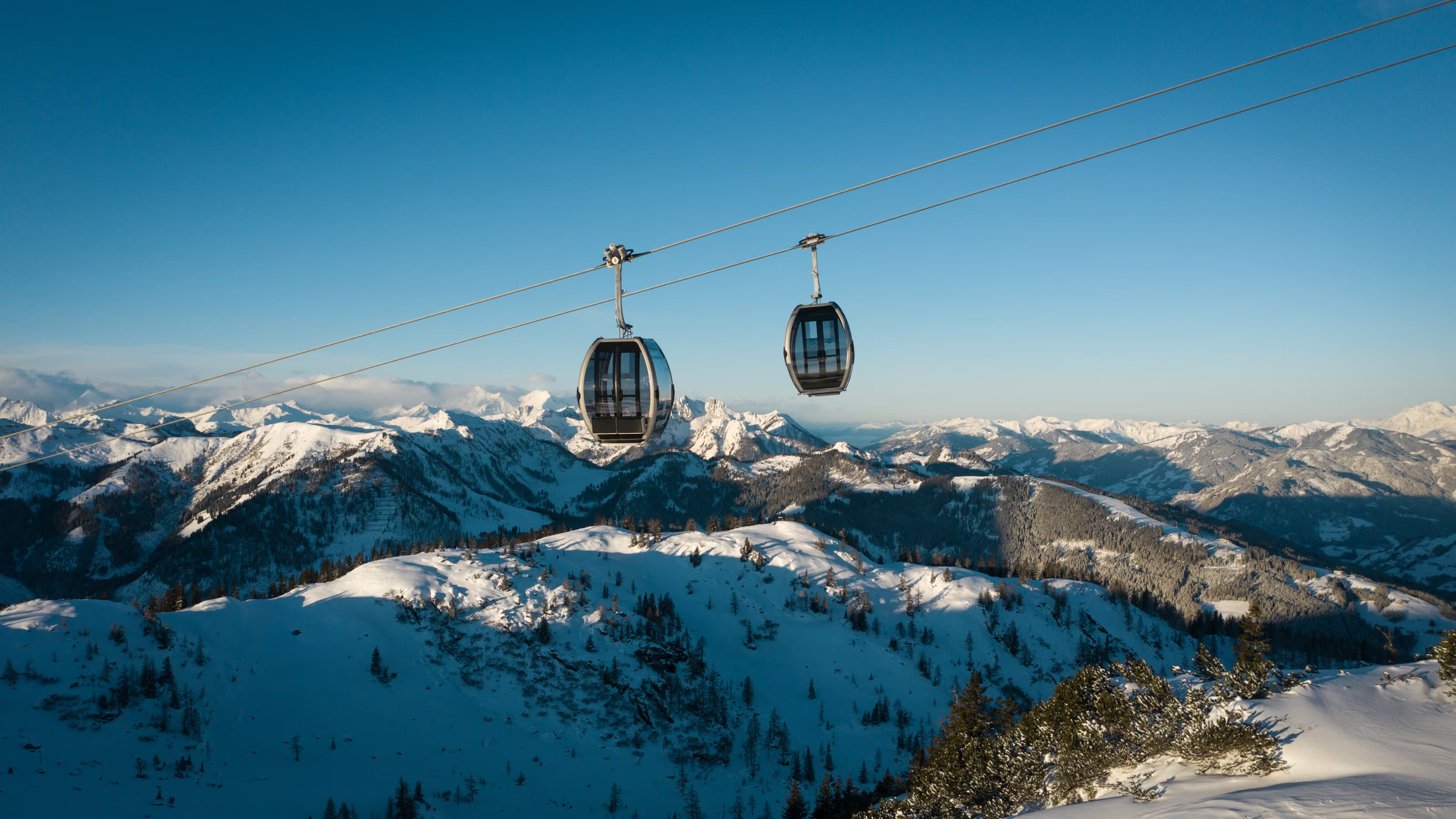
The TirolS is built as a detachable monocable gondola lift with cabins for ten passengers. The capacity of the lift is 2,600 persons per hour. In around nine minutes the modern monocable gondola lift, with a total length of 2,890 metres, overcomes an absolute vertical rise of 726 metres (mid station to top station). Bergbahnen Fieberbrunn invested around 20 million euros in the project, including snowmaking systems and piste construction. The cabins are spacious and fitted with seat heating and comfort upholstery. On the outside there are holders for skis and snowboards. Boarding is at platform level, and passengers can stand upright comfortably as they board and alight.
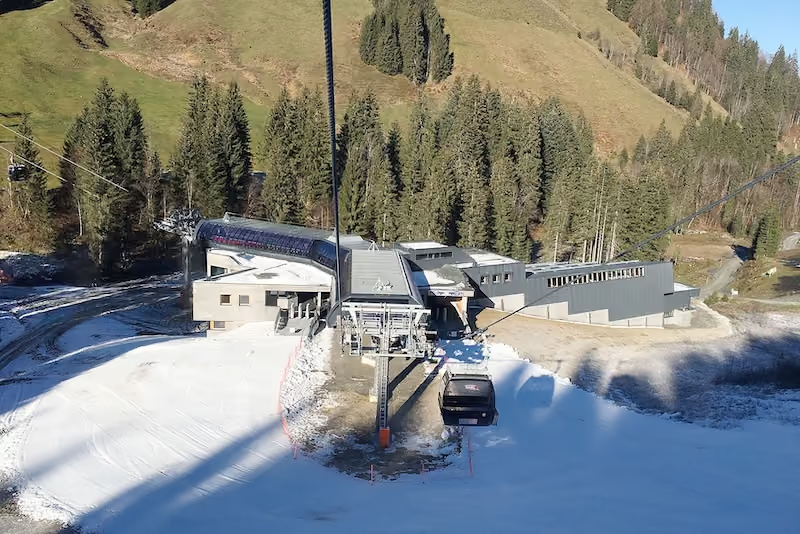
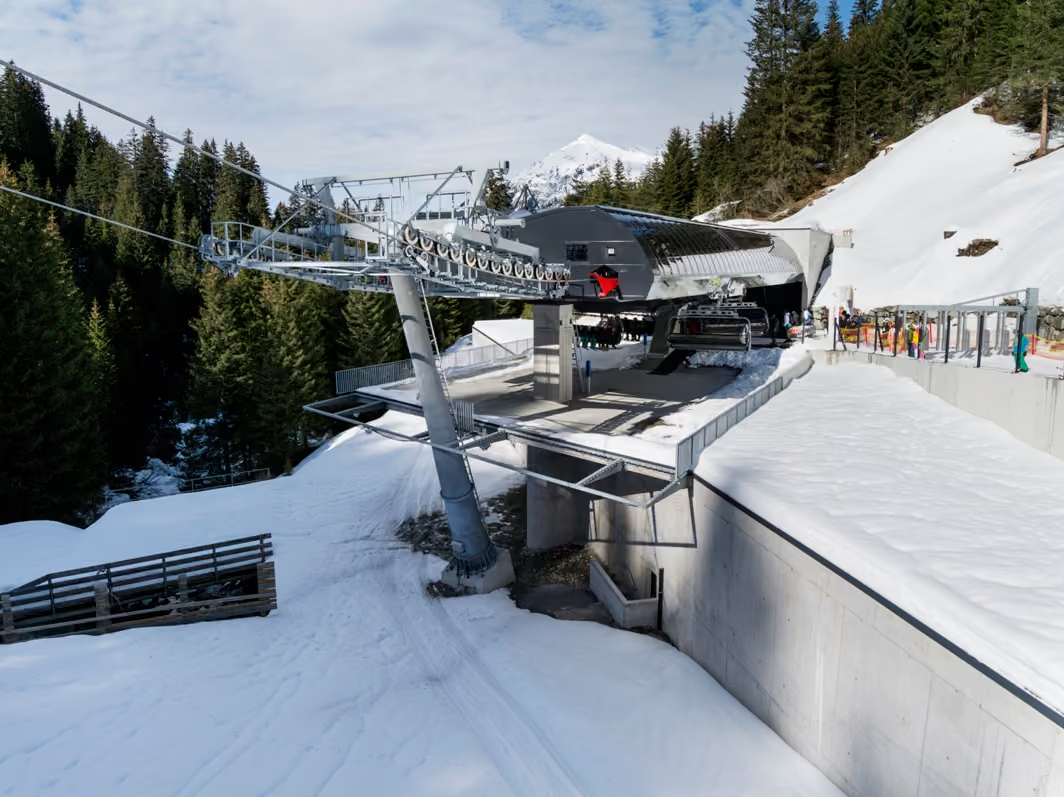
The drive is located in the top station and the return/tension station for the haul rope in the bottom station. The latter is of mechanical design with a concrete counterweight, so that despite the considerable length and capacity the rope can be carried through the mid station. Apart from the station roller batteries and three sheaves, the mid station contains only the station equipment such as accelerator, decelerator and platform conveyor. “Compared with hydraulic tensioning, mechanical counterweight tensioning allows considerable savings, because certain provisions of the standards can be used to advantage. Thanks to this solution the installation also turns out somewhat lighter – for example, we needed two towers fewer,” Stephan Salzmann reports on the technical details.
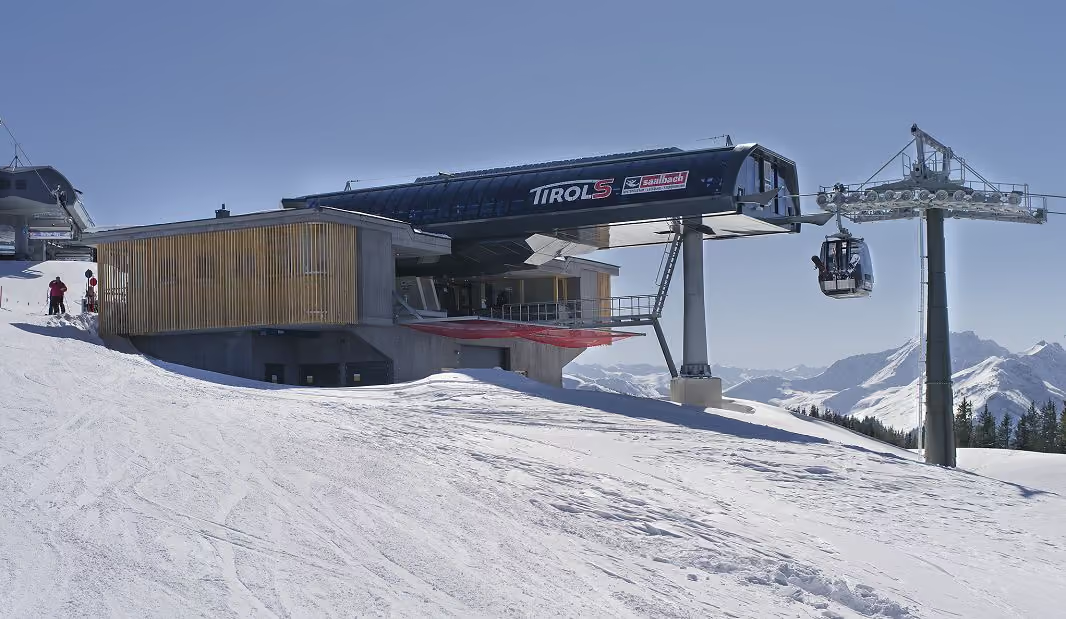
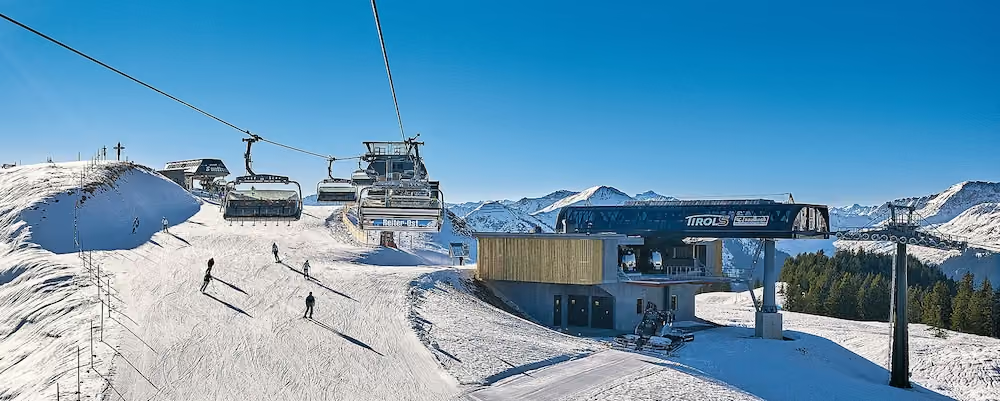
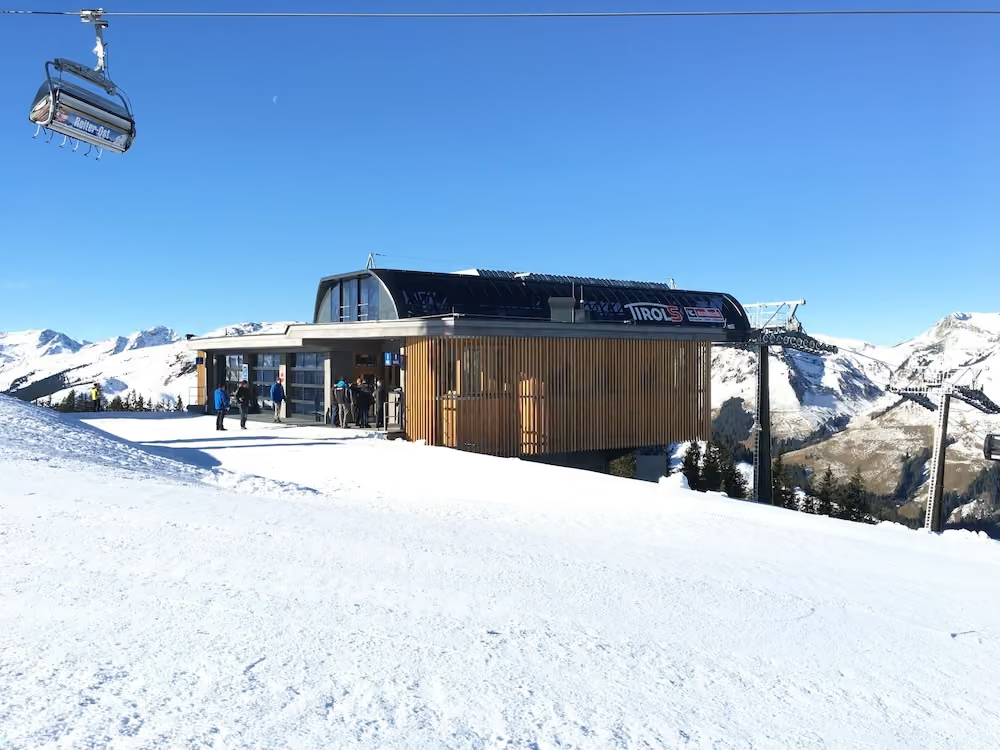
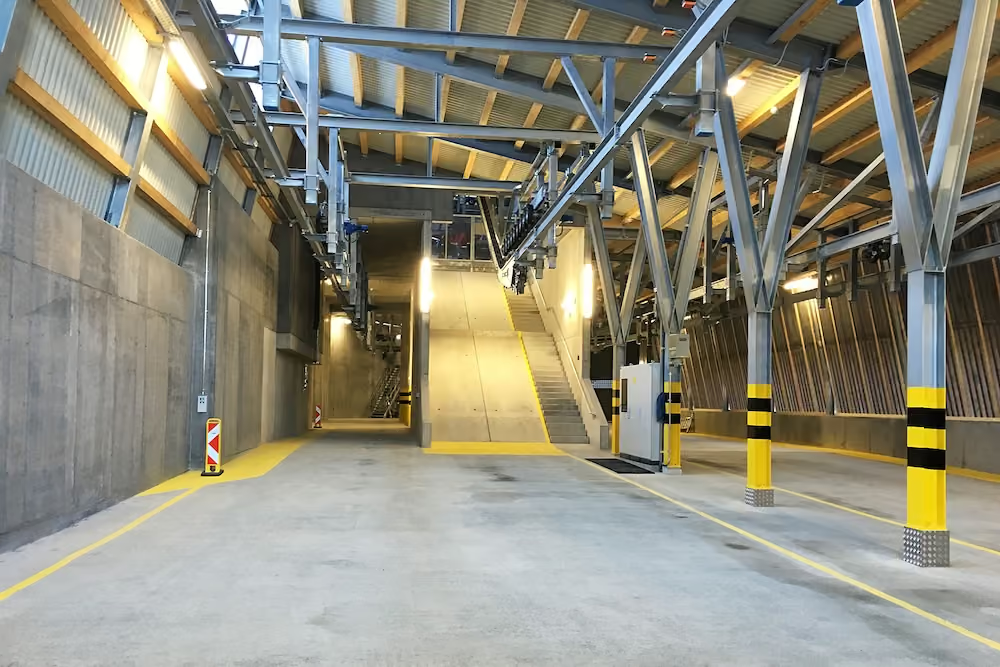
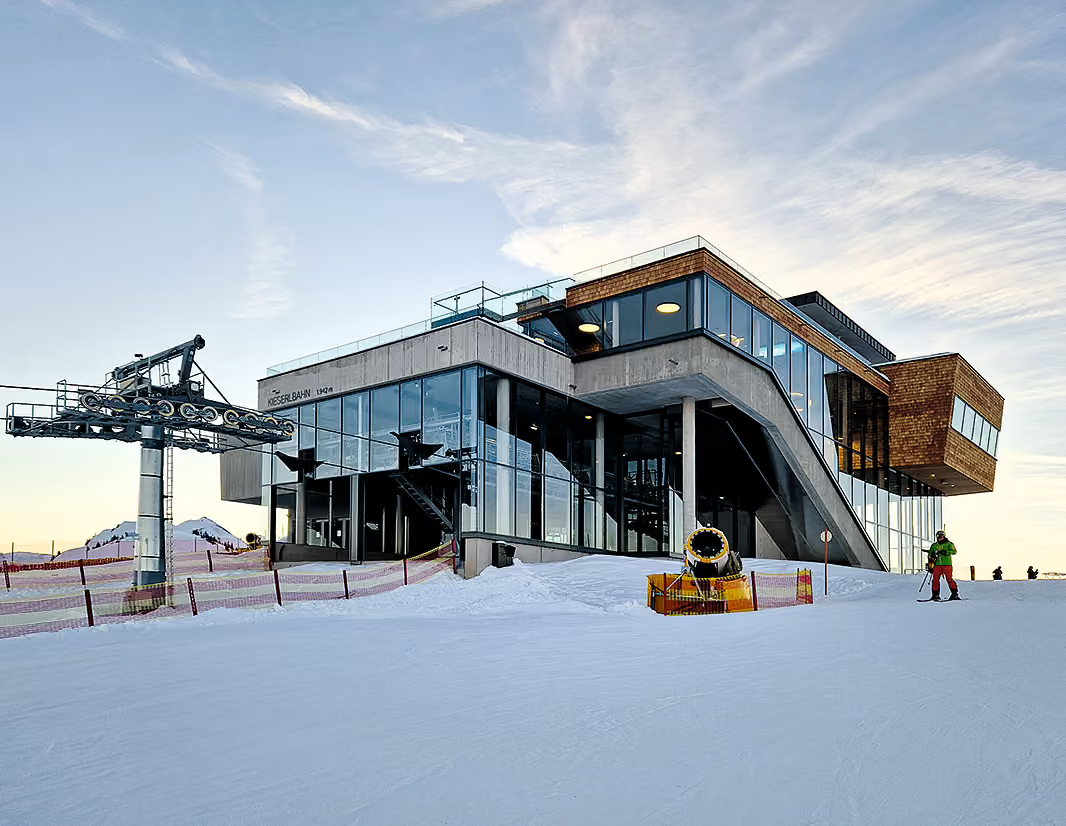
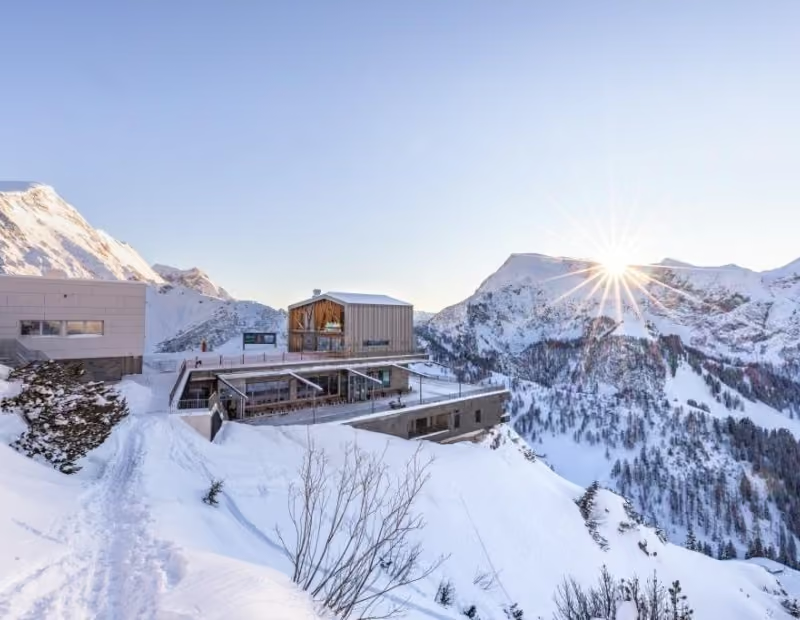
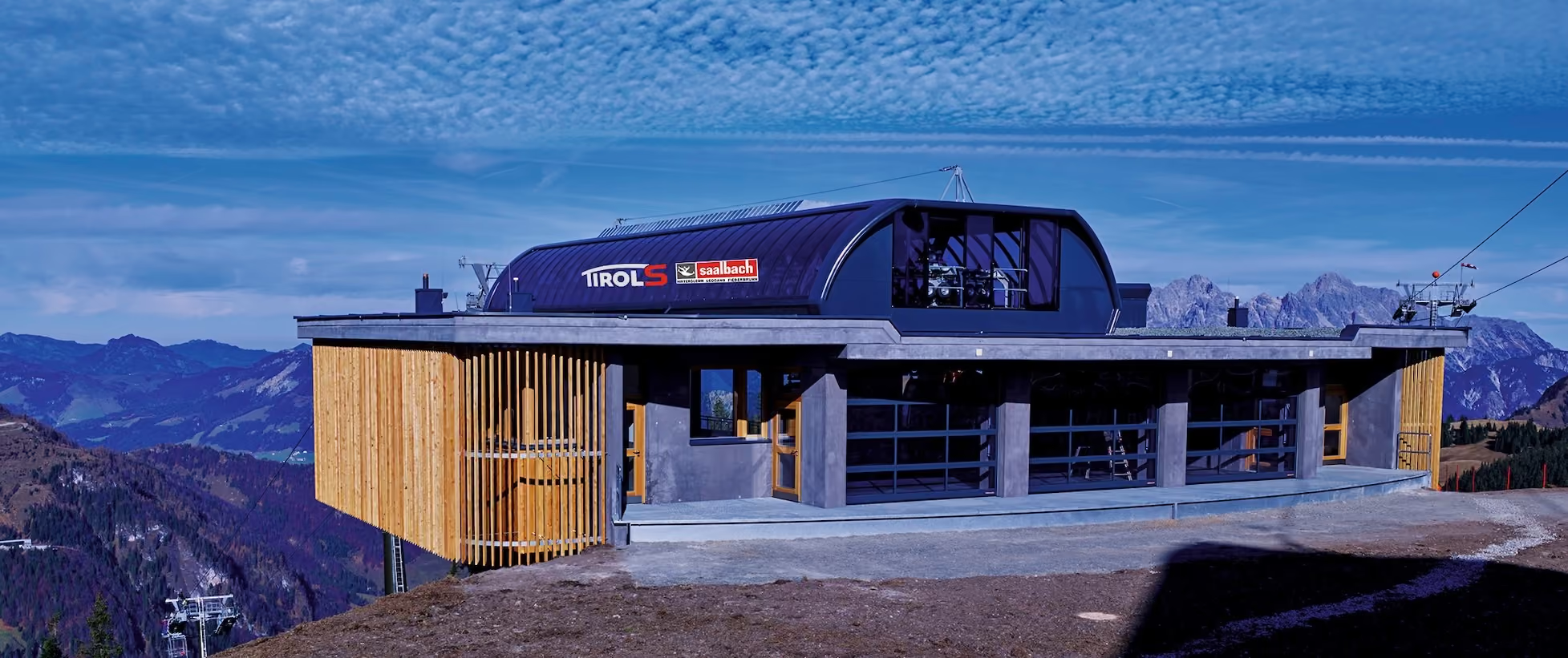
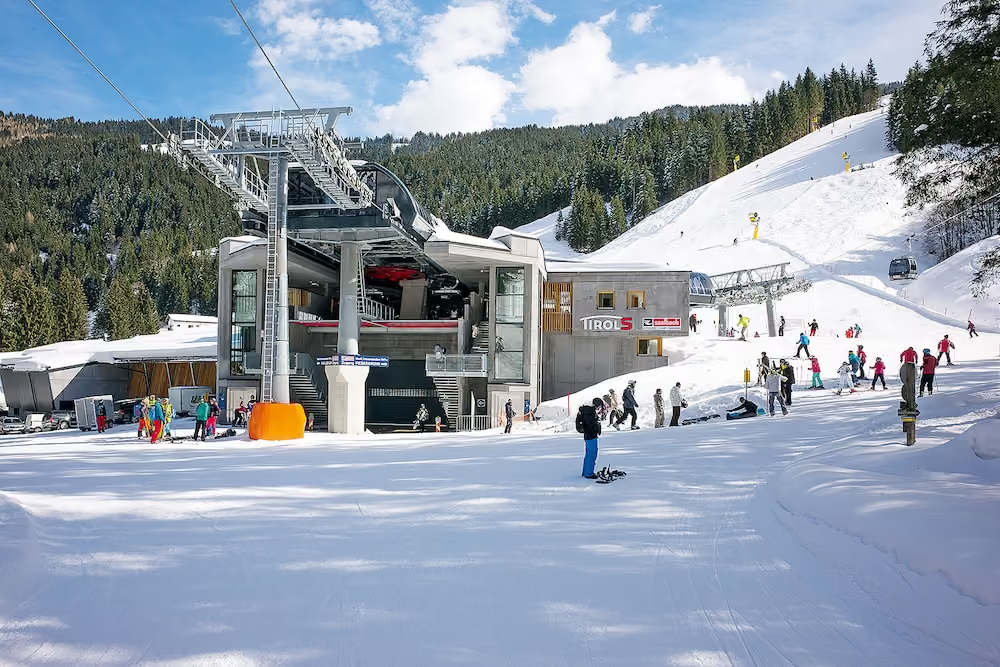
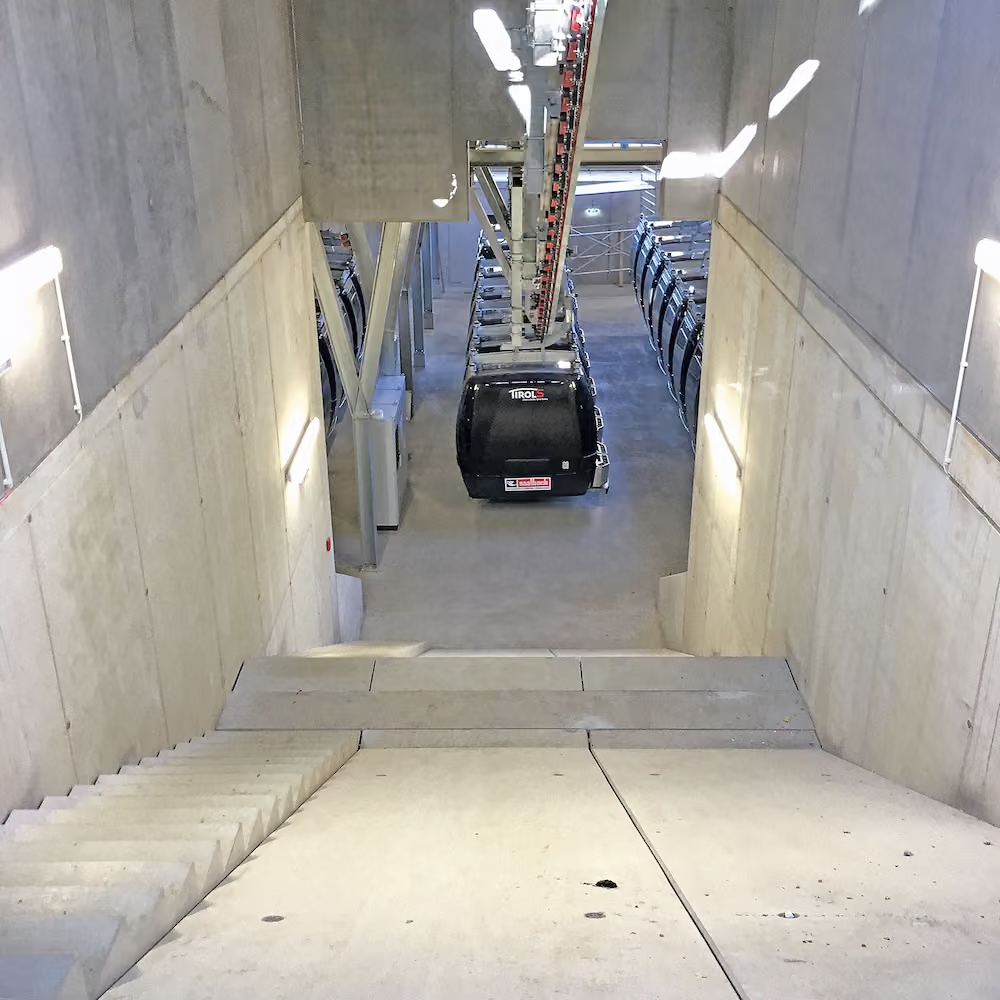
The architecture of the station buildings comes from the architect Thomas Fliri of Fieberbrunn. The buildings are functional and modern in design. Because of the restricted space available, the construction of the mid station was a particular challenge. Even so, it proved possible to accommodate the basement-level depot for storing the cabins there.

Managing Director Bergbahnen Fieberbrunn
A successful start with promising figures
Although the first season of 2015/16 got off to a hesitant start because of the snow conditions, the operators are very satisfied with the results. Last winter the TirolS carried a total of 770,000 skiers. 260,000 guests travelled from the Glemmtal into the Tyrolean part of the ski area, and around 130,000 winter sports enthusiasts from Fieberbrunn into Salzburg. An 18 per cent increase in overnight stays in Fieberbrunn confirms the economic importance of the connecting lift for the entire region.